On September 9, 1996, Crash Bandicoot was released on the first PlayStation — a game that not only gave Sony one of the most famous characters of the era, but also helped define what a 3D platformer could be at a time when the industry was only beginning to learn how to work with the third dimension.
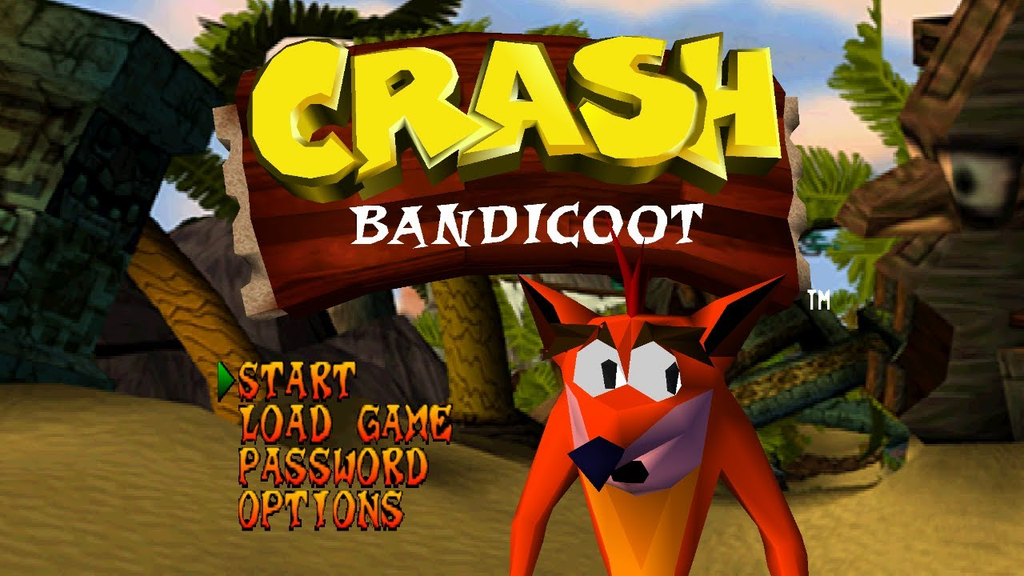
Small Naughty Dog, big risk
The story of Crash began before Naughty Dog had an orange bandicoot. The studio was founded by Andy Gavin and Jason Rubin. In the early 1990s, it remained a small independent team, and one of its most important projects before Crash was the fighting game Way of the Warrior for the 3DO.
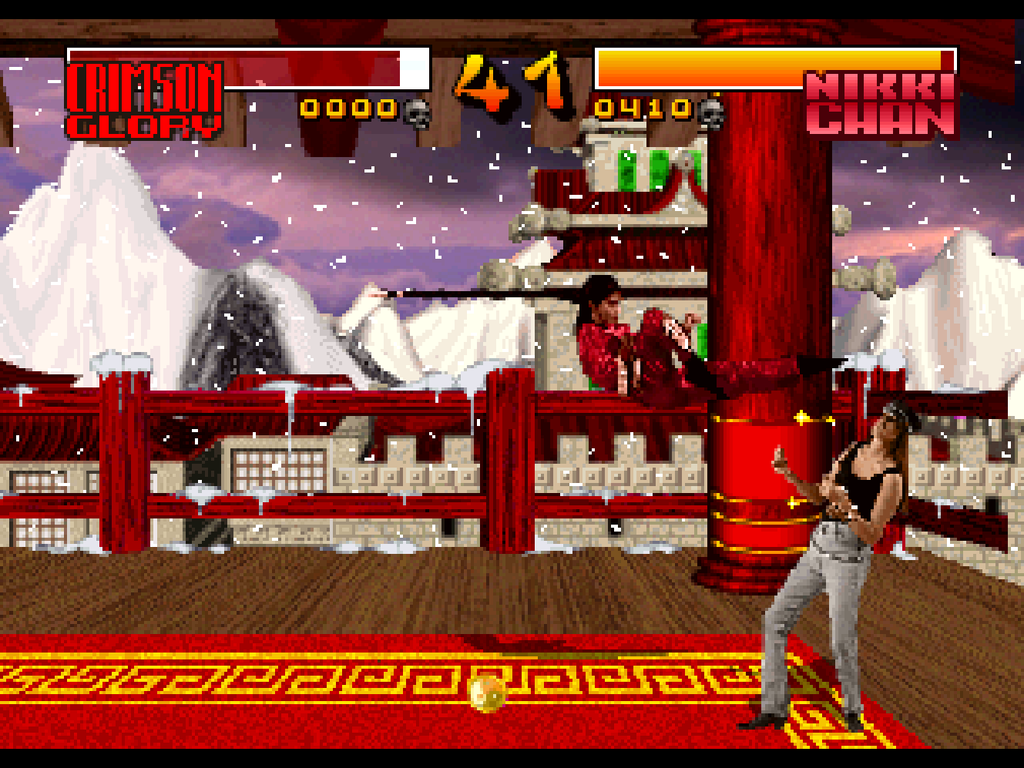
It was after working on it that Naughty Dog secured a deal with Universal Interactive to create three new games. Gavin and Rubin then decided to do something that seemed extremely difficult at the time: bring the classic platformer into full 3D.

In 1994, the team began working on a project for the new PlayStation. The concept was simple: take what made 2D platformers like Mario and Sonic exciting and bring it into the third dimension. But the problem was that no one yet fully knew how to do it properly.
“Sonic’s Ass Game”
At Naughty Dog, the future game was jokingly called “Sonic’s Ass Game” — because the camera was supposed to constantly look at the character from behind.
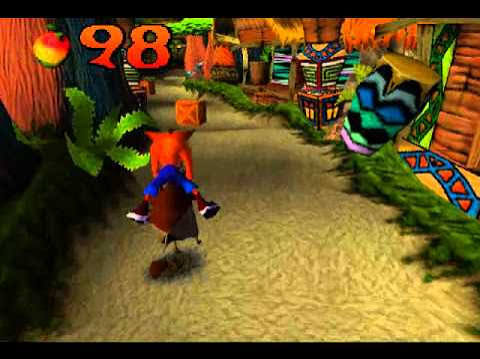
The joke actually described the project’s main idea quite well. Instead of free movement in an open 3D space, Naughty Dog focused on controlled routes: the character moved forward, backward, and sideways, while the camera created a sense of depth.
This was a fundamental decision. The PlayStation had serious technical limitations, and a completely open 3D world would have required much more from it than it could provide. So Naughty Dog essentially built its own way of working around the console’s limitations.
The team used streaming data loading from the CD, dividing levels into small sections and loading them as the player moved. This allowed the developers to create much more detailed locations than could be expected from the original PlayStation.
From bandicoots to Crash
The main character was not created by chance either. Naughty Dog wanted to create a character who could become for PlayStation what Mario was for Nintendo and Sonic was for Sega. To achieve this, the team turned to artists Charles Zembillas and Joe Pearson, who helped shape the visual style of the game and the character himself.
At first, Crash was not supposed to be Crash at all. The developers experimented with different animals before settling on the bandicoot — an Australian marsupial that was relatively unknown to American audiences.
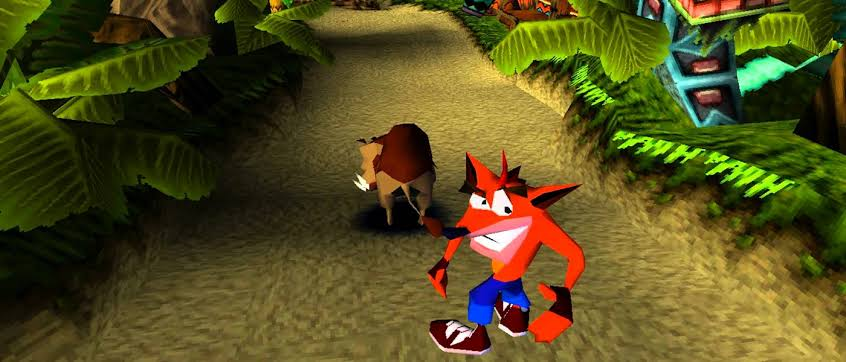
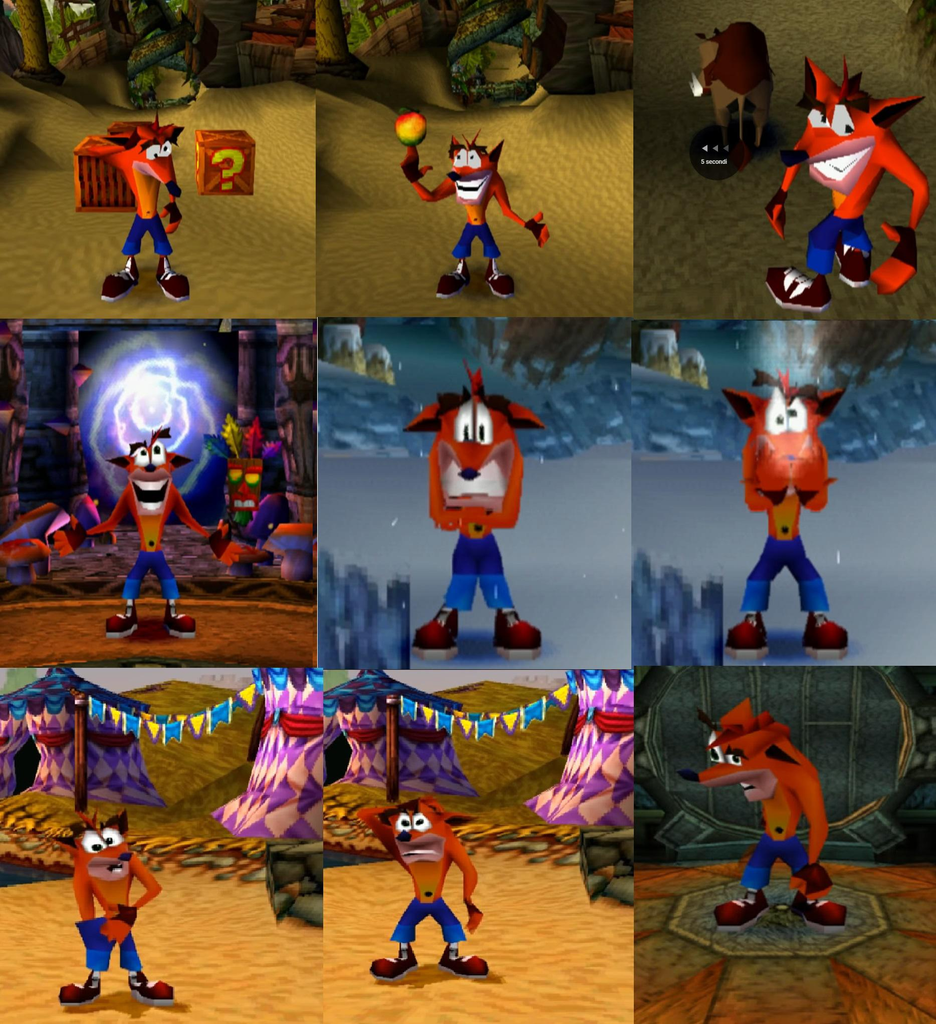
His appearance was made as cartoonish as possible: large eyes, a bright orange color, exaggerated facial expressions, and a constant smile. This was important not only for marketing. Naughty Dog wanted the 3D character to have a sense of personality even when he was simply standing on the screen.
Today, it is difficult to imagine the scale of the project by looking at its results. The first Crash Bandicoot was created by a team of only eight people. Naughty Dog itself later recalled that it was a very small studio at the time. For comparison: after the success of Crash, the company grew rapidly, and by the time work on Crash Team Racing was completed, it already had around 15 employees. And it was this small team that created a game that was meant to become the face of an entire console.
Crash vs. Mario
Paradoxically, Crash Bandicoot was released in the same year that Nintendo released Super Mario 64. The games solved the problem of 3D platforming in completely different ways.
Mario 64 gave players huge spaces, freedom of movement, and a camera that could be controlled. Crash, on the other hand, often literally led the player through a corridor — forward, through obstacles, pits, enemies, and crates.
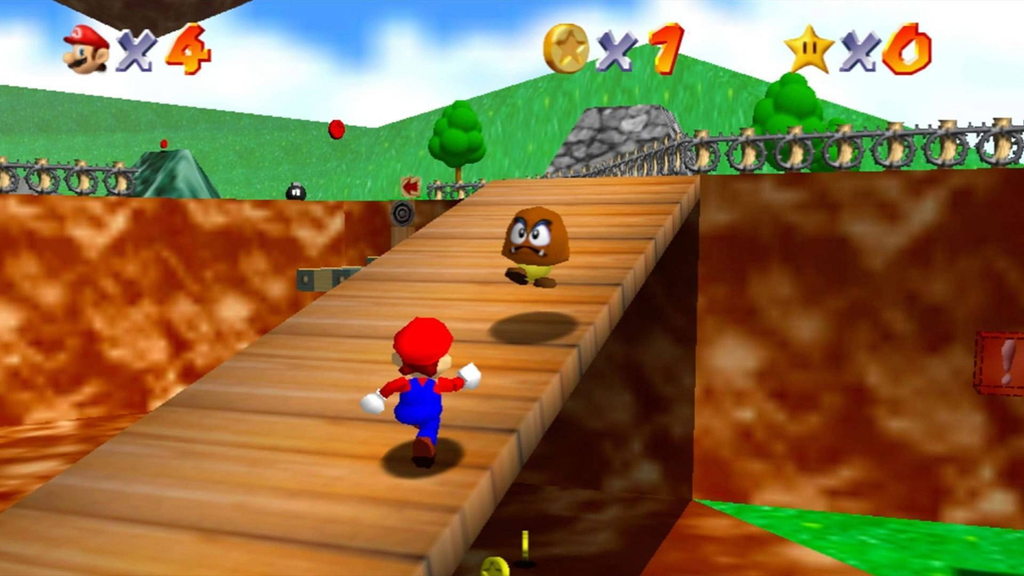
Because of this, critics repeatedly compared the two games. Some reviewers considered Crash too linear and even derivative. GameSpot, for example, gave the game 6.8/10, criticizing the limited nature of the gameplay. IGN rated it 7.5/10, while Electronic Gaming Monthly gave it a high 33.5/40.
So Crash was not a game that everyone unanimously called revolutionary. But the approach itself turned out to be revolutionary.
The game that showed what PlayStation could do
One of Crash’s biggest advantages was its technology. Naughty Dog learned to get the most out of the PlayStation, using the console’s limitations to its advantage. The fixed camera allowed developers to control in advance what the player could see, meaning resources did not have to be spent on things the camera would never show.
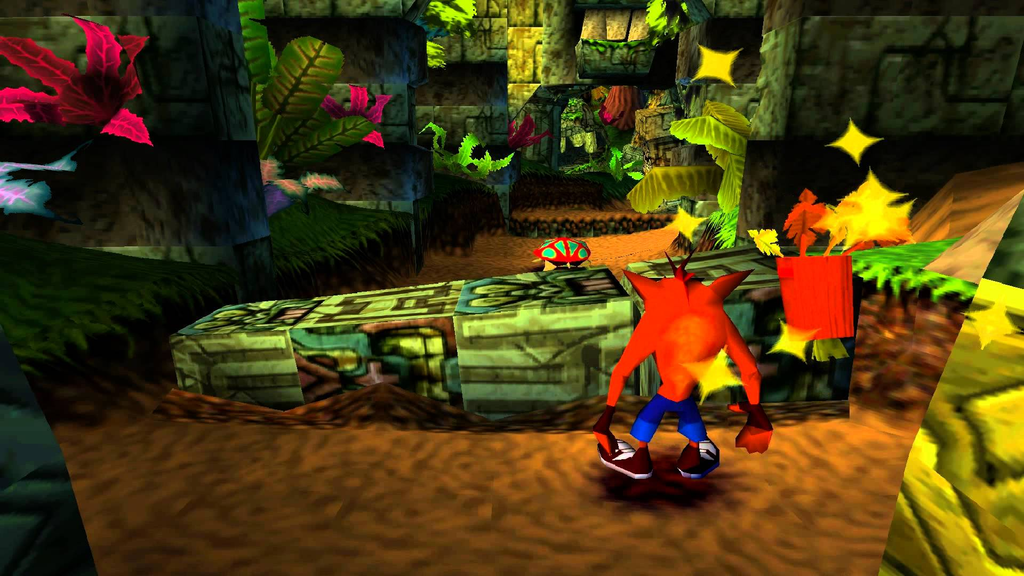
This made it possible to create bright, detailed locations with a large number of polygons and effects. PlayStation Blog later called Crash one of the examples of how Naughty Dog managed to turn the technical limitations of early 3D into an advantage.
As a result, Crash Bandicoot became something of a technological showcase for the original PlayStation.
The success Sony needed
Sony really did need its own recognizable character at the time. Nintendo had Mario, Sega had Sonic, while PlayStation, despite the console’s enormous popularity, did not have a hero on that scale.
That is why Sony actively promoted Crash. Naughty Dog recalled that after the character’s debut at E3 in 1996, Sony effectively placed him alongside the main characters of its competitors. And it worked: Crash Bandicoot became a worldwide success, and demand for a sequel appeared almost immediately.
The game became a commercial hit and eventually joined the ranks of the best-selling games on the original PlayStation. According to available data, its sales ultimately exceeded 6 million copies.
And then came what seems inevitable today: Crash received sequels, while Naughty Dog transformed from a small team into one of Sony’s most important studios within just a few years.
The legacy left by Crash
The influence of the first Crash Bandicoot does not lie in the fact that it invented 3D platformers — that would be an exaggeration.
Its significance lies elsewhere. Naughty Dog showed that a 3D platformer did not have to copy the structure of Mario 64, but could operate according to its own rules. Linear routes, a fixed camera, changing perspectives, an emphasis on precise jumping, and gradually increasing level difficulty became a separate model for 3D platformers.
Crash also demonstrated how important a character can be to a console brand. In 1996, he was simply a strange orange bandicoot from a small studio. A few years later, Crash was already associated with PlayStation itself.
And the most interesting thing is that the first game in the series eventually stopped looking like a technical experiment and became the beginning of a much bigger story. Naughty Dog released two more numbered installments and Crash Team Racing, and then moved on — to Jak and Daxter, Uncharted, and The Last of Us. The Crash period became the foundation for transforming a small Naughty Dog into a world-class studio.
30 years later
Today, the first Crash Bandicoot may no longer necessarily seem like the best 3D platformer of its generation. The camera can be frustrating, the controls have their shortcomings, and the linearity is especially noticeable after decades of genre development. But judging it solely by modern standards would be unfair.
In 1996, Naughty Dog was working with technology that was itself new to the industry. A team of eight people was trying to answer a question that was concerning the entire gaming industry at the time: how do you turn a familiar platformer into a 3D game?
Their answer was not perfect. But it turned out to be good enough to create a new icon.
🦔 30 years ago, Crash Bandicoot was born — a character who became one of the symbols of the original PlayStation and marked the beginning of the Naughty Dog story we know today.
As a reminder, Colin McRae: DiRT 2 — why this game still holds a place in video game history.


