On August 7, Dead Cells celebrates the eighth anniversary of its official release. Here is a look at how Motion Twin created one of the best indie games of the decade, how it reshaped the roguelite genre, and why it is still considered a benchmark today.
On August 7, 2018, French studio Motion Twin released version 1.0 of Dead Cells after spending over a year in Steam Early Access. Today, this date marks the official birthday of a game that has become a true symbol of modern indie game development.
Interestingly, Dead Cells almost didn't happen at all.
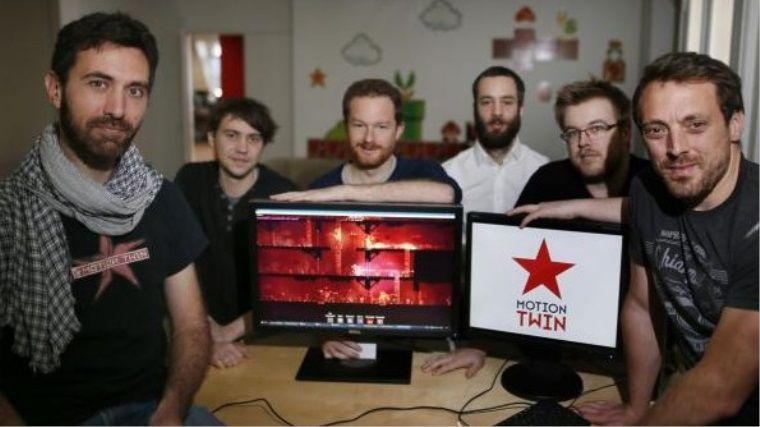
Prior to its creation, Motion Twin was working on a co-op survival game that failed to live up to the team's expectations. Realizing the project had hit a dead end, the developers decided to repurpose their existing combat mechanics and animations for an entirely new game. Thus, the concept of a fast-paced single-player action game was born — one where death doesn't punish the player, but instead motivates them to start a new run. This decision proved to be a turning point in the studio's history.
At the start of development, the Metroidvania and roguelike genres had already existed independently for many years.
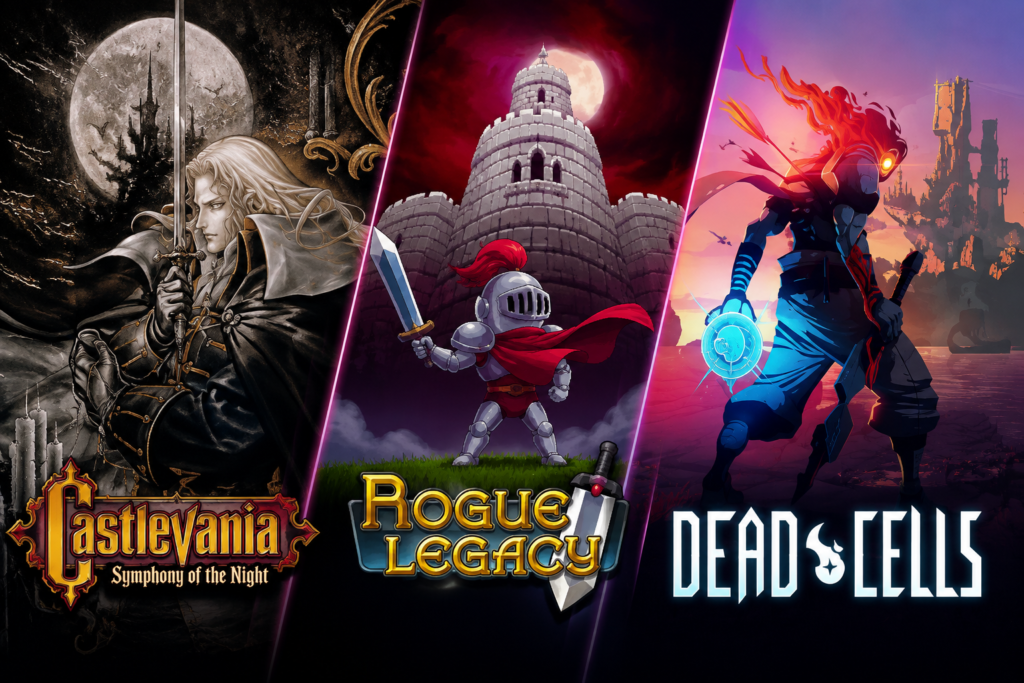
Metroidvanias focused on exploring large maps and gradually unlocking new abilities, whereas roguelikes offered procedural level generation and the loss of nearly all progress upon death. Motion Twin decided to combine these two approaches.
This led the developers to coin their own term: Roguevania.
Players were given procedurally generated levels while simultaneously unlocking new weapons, mutations, abilities, and routes that remained available for future runs. Because of this, even after dozens of deaths, players felt continuous progression. Death ceased to be a punishment — it became a key part of the journey.
One of the core drivers of its success was the combat system.
Virtually every strike, dodge roll, parry, or jump felt instantaneous and responsive. The game rewarded quick reflexes, an aggressive playstyle, and smart environmental awareness.
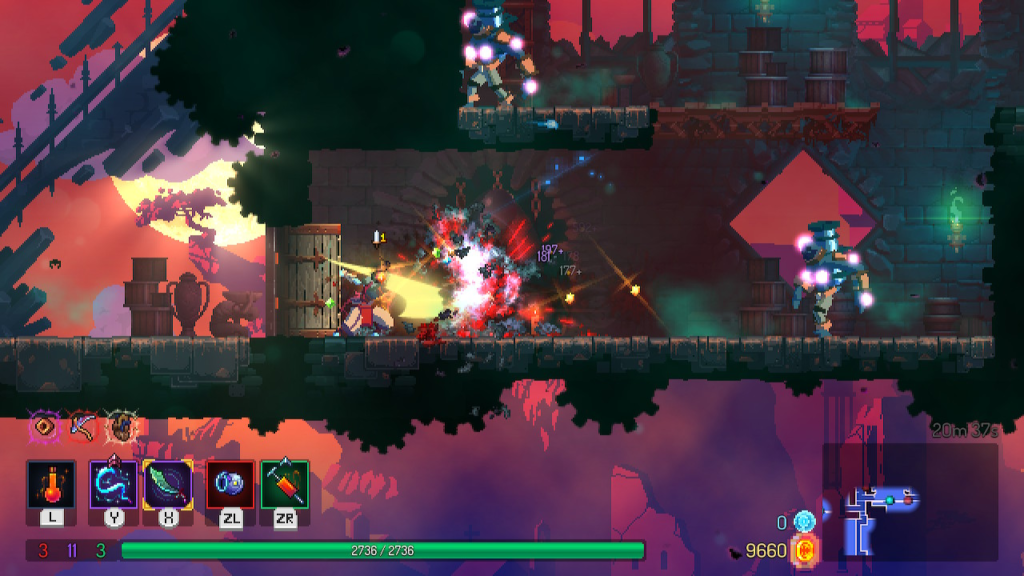
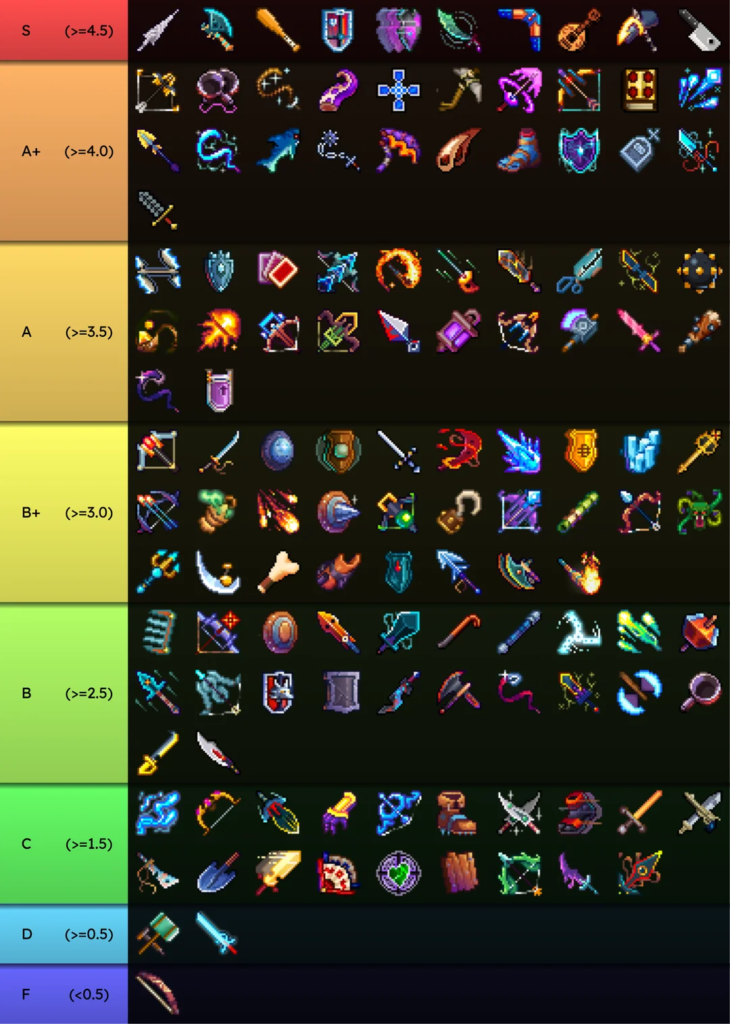
Weapon variety played an equally critical role. Swords, bows, spears, whips, spellbooks, grenades, turrets, and traps — each run could be built in a completely unique way. One run could turn into lightning-fast melee combat, while another relied on tactical ranged combat. It was this freedom that granted the game nearly infinite replayability.
Even before its full release, Dead Cells became one of the most successful examples of Steam's Early Access program.
For over a year, Motion Twin released regular updates, closely monitored community feedback, and shaped the final version of the game alongside its players.
Many mechanics, weapon balances, and even core game systems were overhauled based on user feedback.
While this approach seems commonplace today, back in 2017–2018, it stood as a prime example of using Early Access not to sell an unfinished product, but to refine and perfect it.
Following the release of Dead Cells, the popularity of the roguelite genre surged dramatically. While the game didn't invent the genre, it proved that procedural generation, persistent progression, and high difficulty could be accessible and appealing to a broad audience.
The success of Dead Cells influenced dozens of subsequent projects and demonstrated once again that an indie studio without a massive budget can create a world-class game. Many modern action games have since borrowed its fluid controls, fast-paced combat, and run-based progression loops.
Unlike most indie titles, the story of Dead Cells didn't end at launch. Motion Twin, alongside studio Evil Empire, supported the game for years with major free updates and substantial DLCs.
The most notable expansions include:
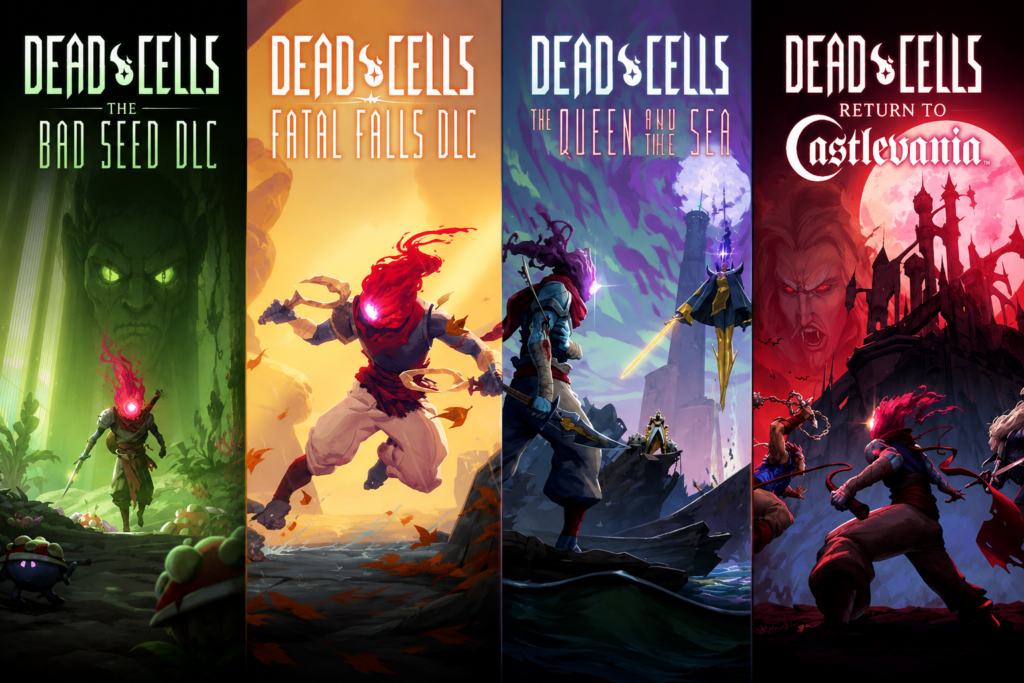
Each expansion introduced new biomes, bosses, weapons, secrets, and playstyles, keeping tens of thousands of active players engaged years after release.
Today, eight years after its launch, Dead Cells is rightfully considered one of the finest indie games of the 21st century.
It proved that a small team can compete with major publishers, popularized the concept of Roguevania, demonstrated how to engage effectively with a community via Early Access, and set a new benchmark for fast-paced 2D action games.
Dead Cells has left an indelible mark on the gaming industry and remains one of the premier entry points into the roguelite genre.
Even eight years after its release, it hasn't aged a bit — perhaps the ultimate testament to its status as a modern classic.
As a reminder, 40 Years of Metroid: The game that pioneered the Metroidvania genre and changed video game history forever.


