On November 27, 1998, the Dreamcast was released in Japan — a home console that represented one of SEGA’s most ambitious attempts to regain its position in the market following the unsuccessful Saturn era. It focused on 3D graphics, easier game development, and online capabilities long before internet connectivity became a standard feature of consoles. The Dreamcast eventually became SEGA’s final home console, but its technological innovations and game library left a significant mark on the history of the industry.
In the late 1990s, SEGA found itself in a difficult position. The Saturn failed to replicate the success of the Mega Drive, while its complex architecture made game development more challenging. Therefore, when creating its next console, the company aimed to make the system not only more powerful but also more developer-friendly.
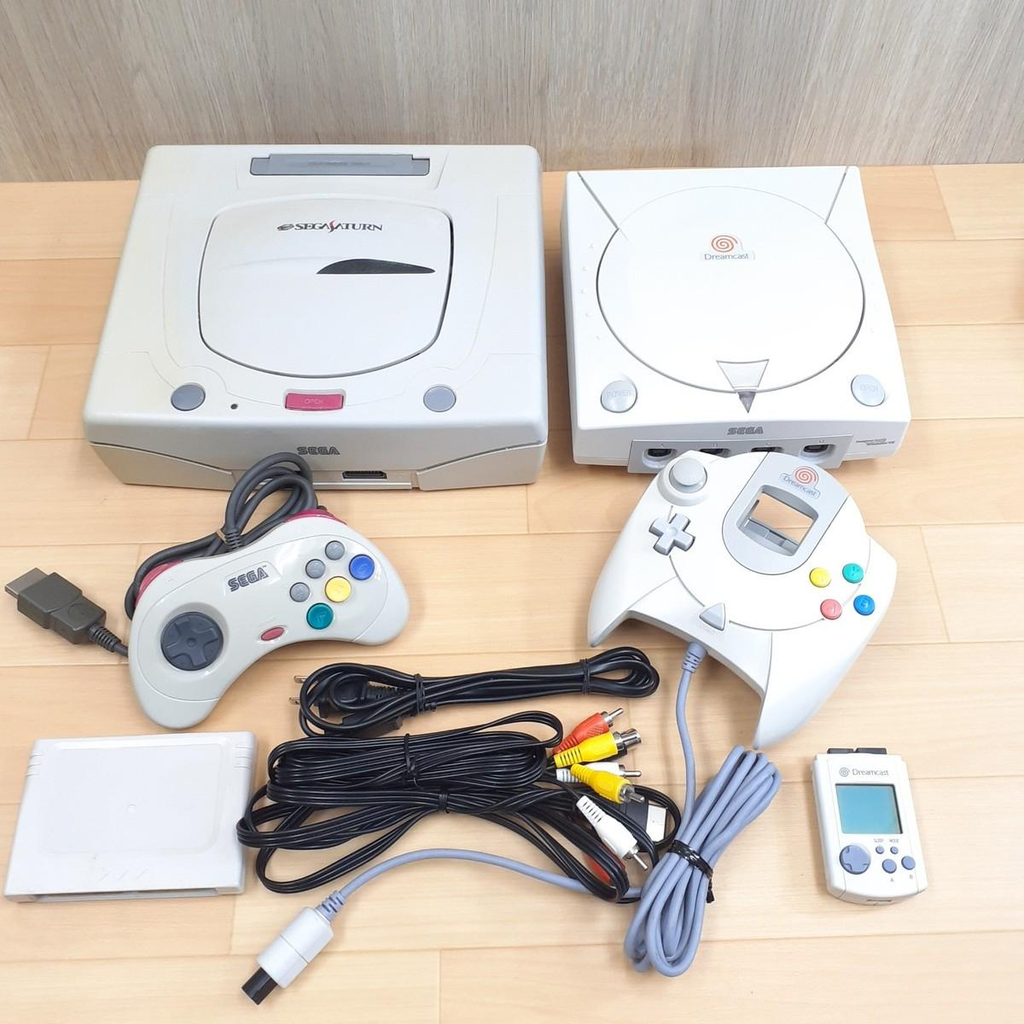
The project initially had several codenames, including Dural and Katana. SEGA eventually settled on an architecture featuring a Hitachi SH-4 processor and a PowerVR2 graphics processor from NEC and VideoLogic. According to SEGA itself, the system could process approximately 3 million polygons per second and featured a significantly more accessible software infrastructure for developers.
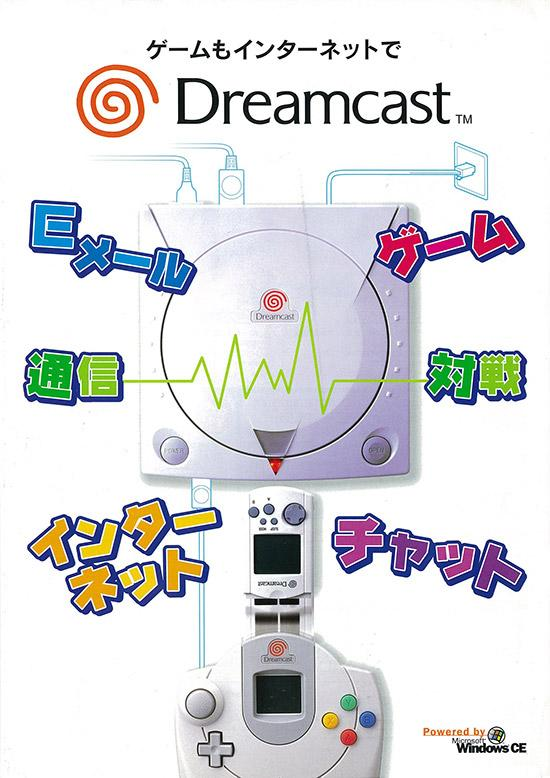
Another important feature was its built-in networking functionality. The Dreamcast came equipped with a modem that allowed users to connect to the internet via a telephone line. SEGA positioned the console not simply as a gaming device, but as a system that could be used to browse the internet, exchange emails, and play games online.
On November 27, 1998, the Dreamcast was officially released in Japan. SEGA later described it as a 128-bit home console and emphasized the system’s technological superiority.
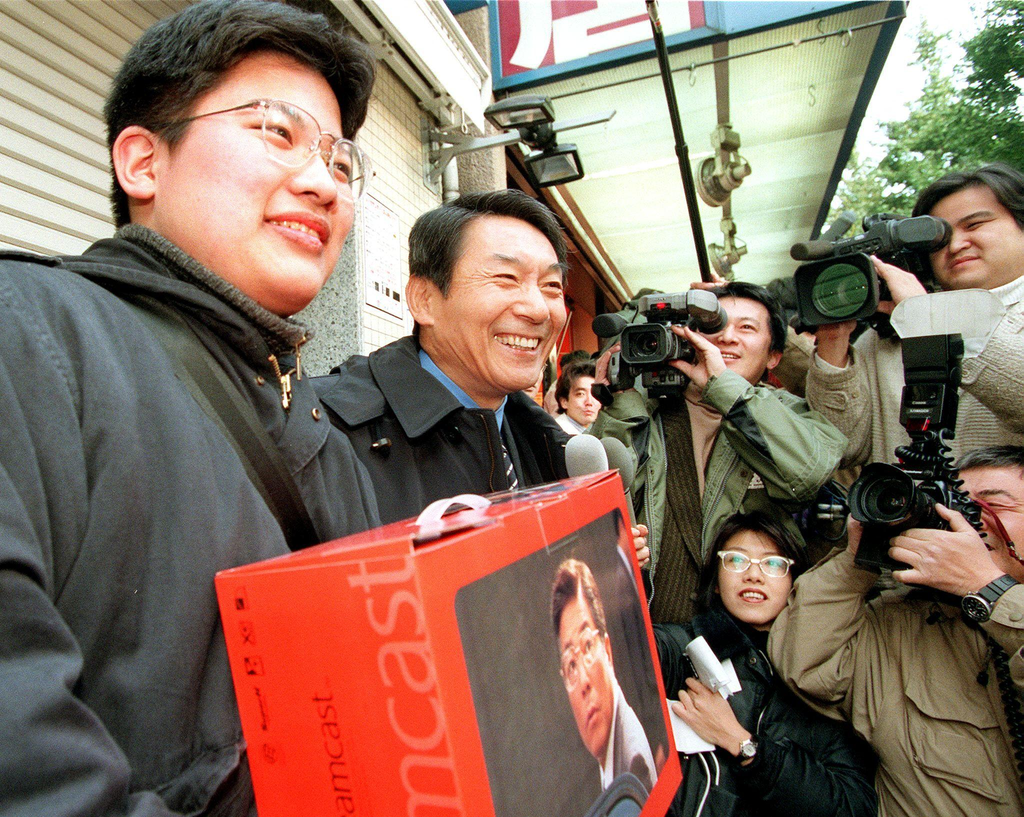
At launch, the company faced manufacturing difficulties due to component shortages, particularly graphics chips. As a result, SEGA was unable to meet its planned shipment targets. Despite the limited availability of consoles, demand was high.
The launch lineup consisted of four games, including Virtua Fighter 3tb and Godzilla Generations. SEGA was also preparing Sonic Adventure, which was intended to become one of the main reasons to purchase the new console, but the game was released later.
One of the Dreamcast’s greatest strengths was its focus on online gaming. For the late 1990s, this was an unusual decision: most home consoles did not yet regard the internet as a central part of the gaming experience.
The Dreamcast later received Phantasy Star Online, which SEGA described as the first online RPG for a home console and one of the clearest examples of the direction in which the industry could evolve. The console also introduced online functionality in sports games and other titles.
Another distinctive feature was the VMU — Visual Memory Unit, a memory card with its own small screen and buttons. It was used not only to save game progress but could also interact with certain games.
The Dreamcast also used its proprietary GD-ROM disc format, which could store more data than a standard CD-ROM. However, SEGA chose not to include a DVD drive, which later became one of the system’s disadvantages following the arrival of the PlayStation 2.
Despite the console’s short lifespan, its game library became one of the main reasons why the Dreamcast is still remembered as one of the most important systems of its generation.
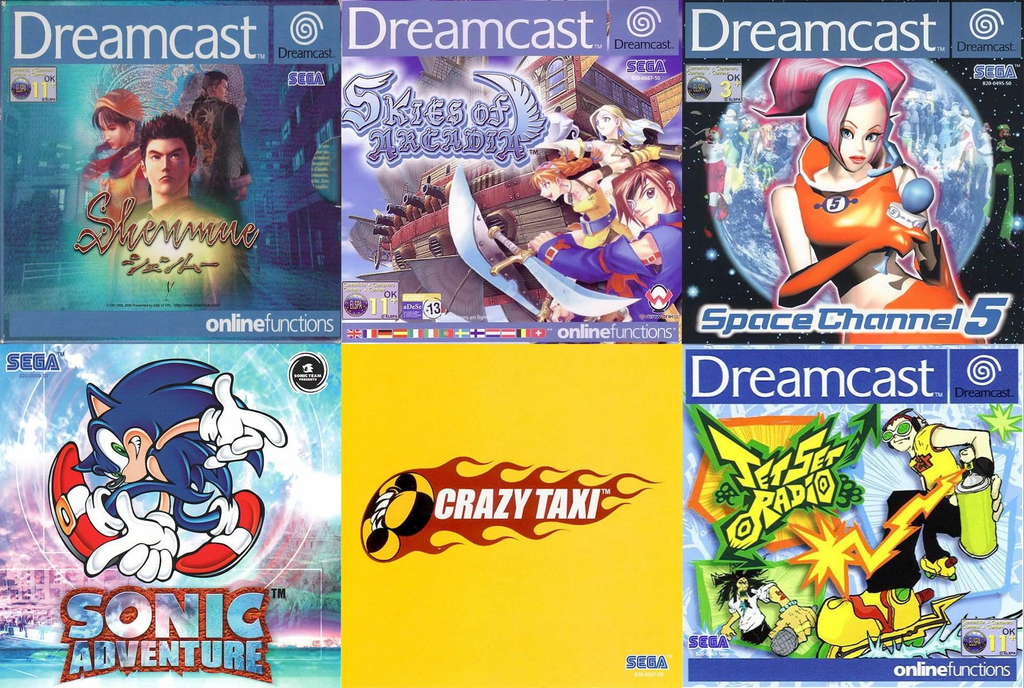
Sonic Adventure brought SEGA’s flagship character into an expansive 3D world. Soulcalibur demonstrated the console’s capabilities in the fighting game genre, while Crazy Taxi, Jet Set Radio, Shenmue, Power Stone, Skies of Arcadia, Virtua Tennis, and Phantasy Star Online became some of the platform’s most recognizable titles.
The Dreamcast was also closely connected to SEGA’s arcade systems. The console and the NAOMI arcade platform shared a similar hardware architecture, making it possible to port some arcade games to the home system.
Technological advantages were not enough to overcome SEGA’s difficulties. The company continued to compete with Sony, and the situation became even more challenging following the release of the PlayStation 2. Sony’s console featured a DVD drive, while the Dreamcast used GD-ROM, and the PlayStation brand already had a significantly larger audience.
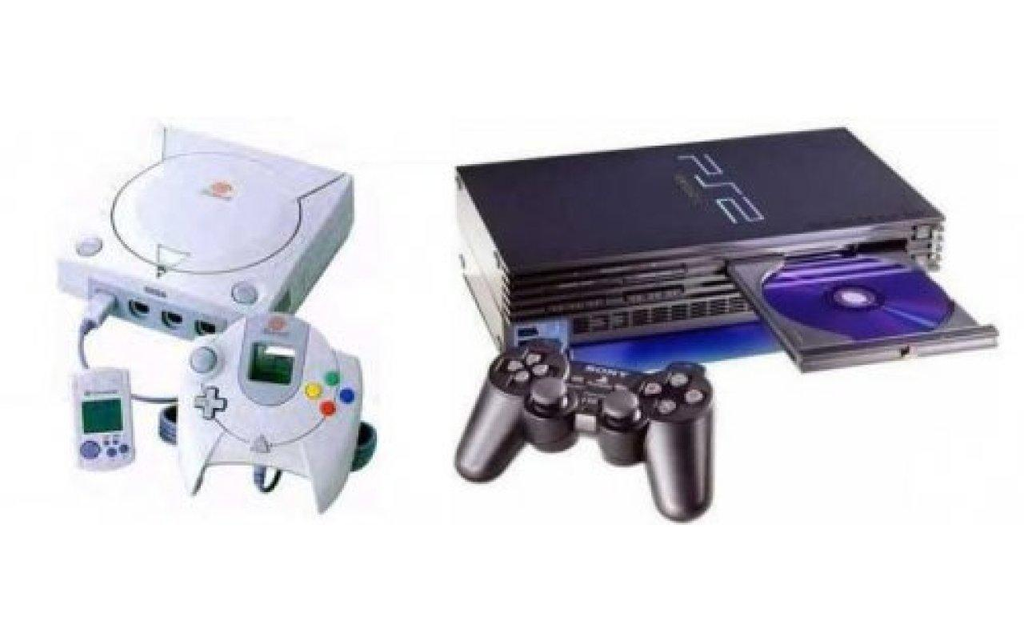
SEGA also faced sales difficulties and an insufficient supply of software at certain stages of the system’s lifecycle. In its financial report, the company stated that semiconductor shortages and delays in software development had negatively affected Dreamcast sales.
On January 31, 2001, SEGA announced the discontinuation of Dreamcast production. The company decided to leave the home console market and focus on developing and publishing video games.
By the end of the fiscal year, SEGA reported worldwide sales of 8.2 million Dreamcast consoles. Despite its commercial difficulties, the platform left behind a substantial game library and several technologies that would later become industry standards.
The Dreamcast had a relatively short lifespan on the market, but many of its innovations eventually became common features of gaming consoles. Its built-in modem, online games, digital functionality, and close connection between arcade and home versions of games demonstrated the direction in which the industry could evolve.
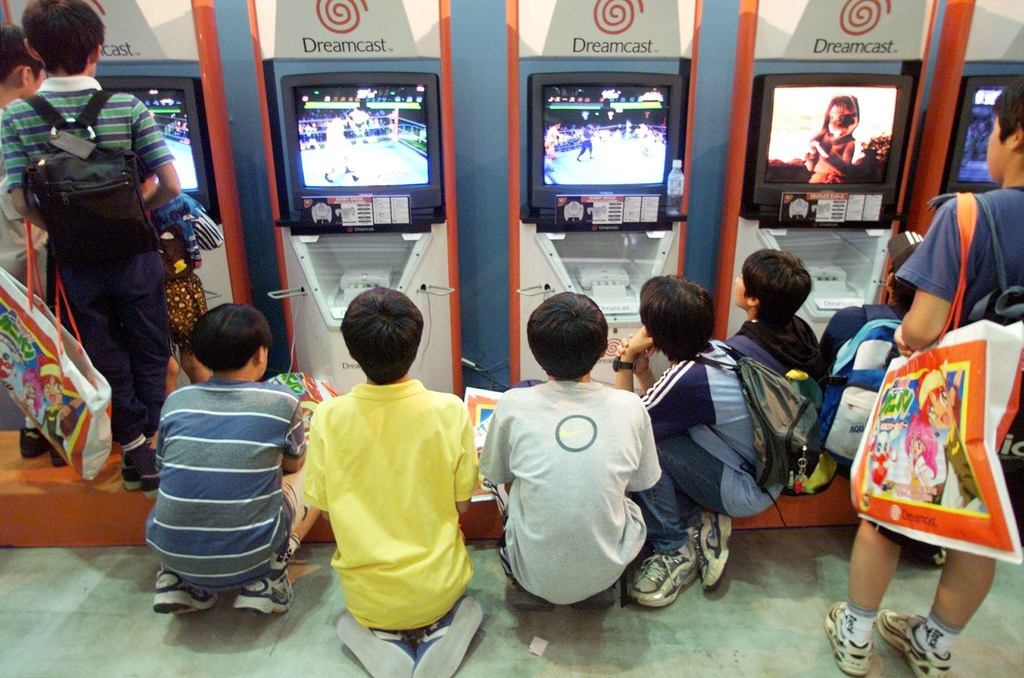
In 2001, SEGA effectively brought the history of its own home consoles to an end. However, the Dreamcast became more than just the company’s final system — it remained an example of how commercial failure does not necessarily mean a lack of influence.
On November 27, 1998, SEGA bet on a future that was not yet ready to arrive. The Dreamcast did not defeat the PlayStation 2, but many of the ideas it introduced to the market eventually became an integral part of modern console gaming.
As a reminder, Snatcher — the story of Hideo Kojima’s cyberpunk game.


