The organizers of a Brawl Stars tournament at Zaporizhzhia Lyceum No. 34 had prepared according to one plan, but the actual number of participants forced them to change it. Together with a teacher, the students reviewed the team lineups, adjusted the format, and still completed the competition.
For a spectator, this could have been just one episode of a tournament. For the students, it was the first test of whether they could act when a plan did not work: reach an agreement, quickly find a solution, and take responsibility for it. This kind of experience cannot be gained simply by listening to a lecture.
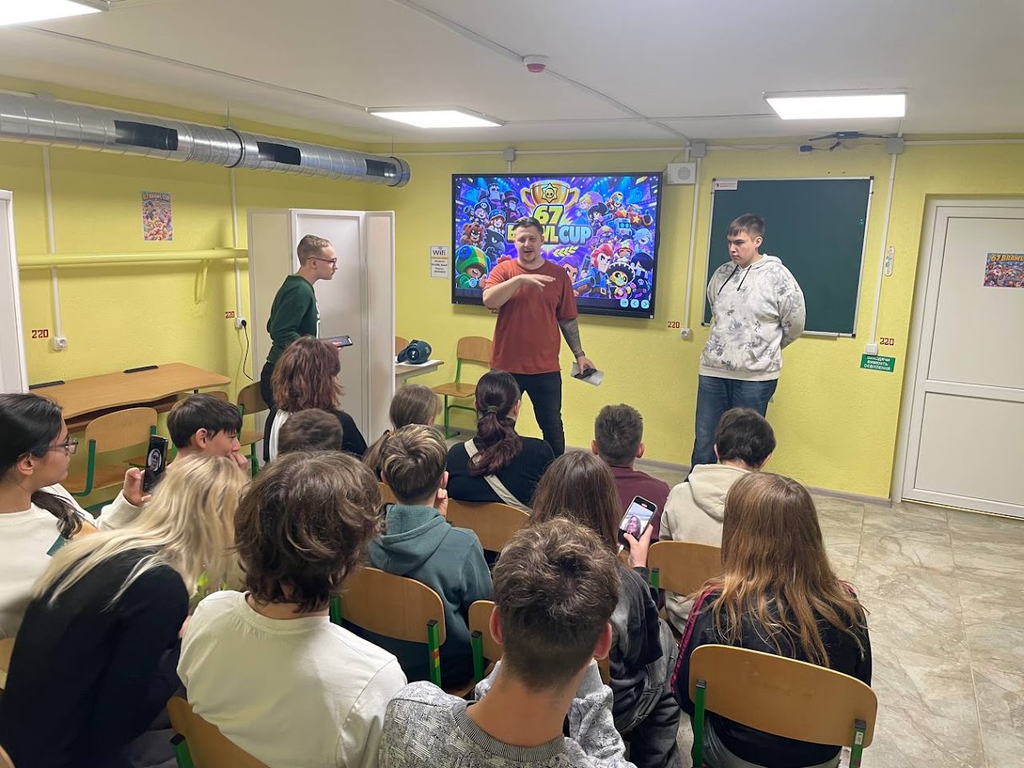
This is the kind of practice on which the eSchool Union of Ukraine (ESUL) is built. In Zaporizhzhia, the project covers 36 educational institutions. Around an interest in video games, school communities are formed where students try to organize their own events, work with an audience, and implement ideas. Some already hold regular meetings and tournaments, while others start with surveys or preparing their first event. The pace depends on the possibilities and circumstances of each institution.
The project does not try to turn all schools into identical tournament venues. For one club, the first step is creating a team; for another, it is researching the interests of peers or holding a small joint event. What matters is that behind each of these results is the work of the students themselves, rather than a task completed for them by adults.
A game helps bring together those who share a common interest. But as soon as students decide to organize something for others, an entire list of tasks appears. Which discipline should they choose? Is it suitable for the participants' age? Where should the meeting be held? Who will be responsible for the rules, schedule, registration, and messages to peers?
Each task has a specific application: an announcement helps gather participants, regulations help conduct a competition, and a survey helps understand what the school audience needs. Some are better at negotiations, others are more interested in working with graphics, while someone else enthusiastically analyzes results.
A student who joins a club as a player may discover design, journalism, event organization, or working with data. They may also try a certain role and realize that it is not for them at all. Such a discovery is no less valuable: by the time they choose a profession, the child already has their own practical experience rather than just an idea of different occupations.
That is why esports here is a tool, not necessarily a future profession. The ability to plan, communicate, work with information, solve problems, and take responsibility for a result will be useful outside the gaming industry as well — in sports, media, technology, marketing, or management.
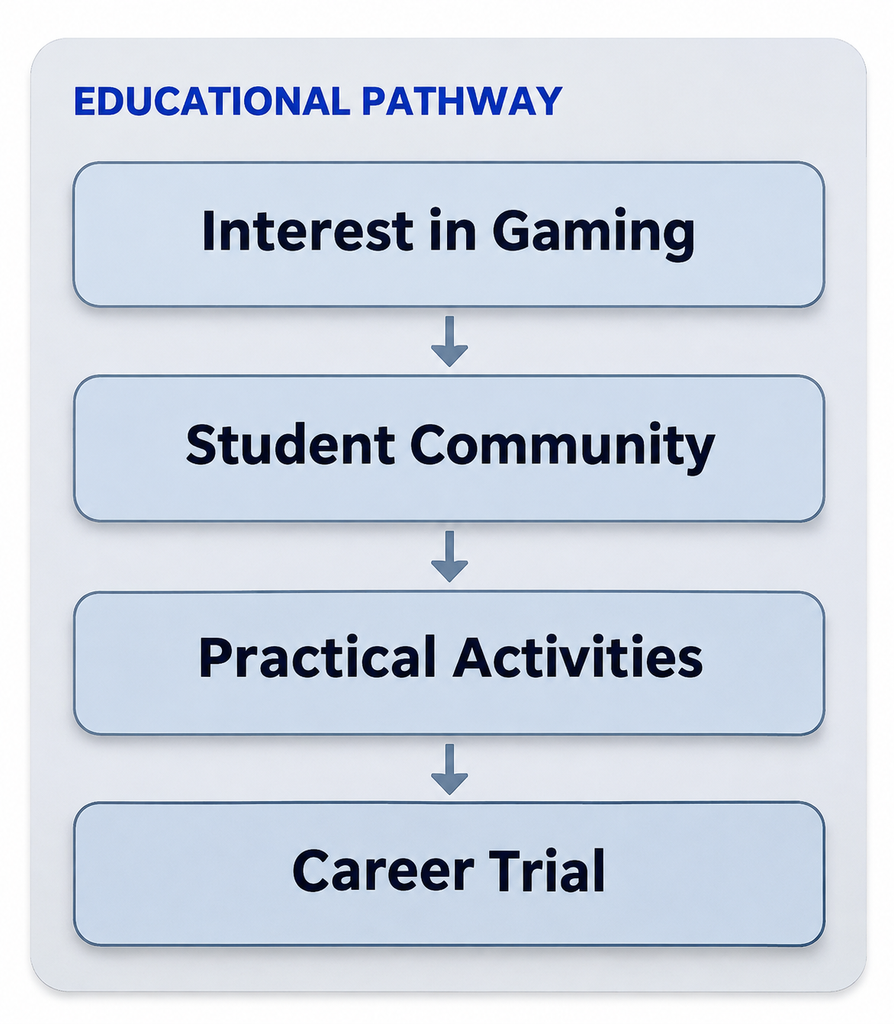
This also changes the idea of who can be a member of a school club. You do not necessarily have to play better than everyone else to become useful to a team. Sometimes the student who does not want to participate in a match turns out to be the one who can best organize the event, prepare materials, or find a way to invite new people.
At Lyceum No. 107, the participants of Last Stand went beyond an ordinary tournament: they prepared a script for an educational session, a presentation, and a practical task on team strategy. At the same time, they worked on organizing the competition, its technical and media support, and preparing interviews. And to explain the material to others, they first had to understand it themselves and think about how to present it to their peers.
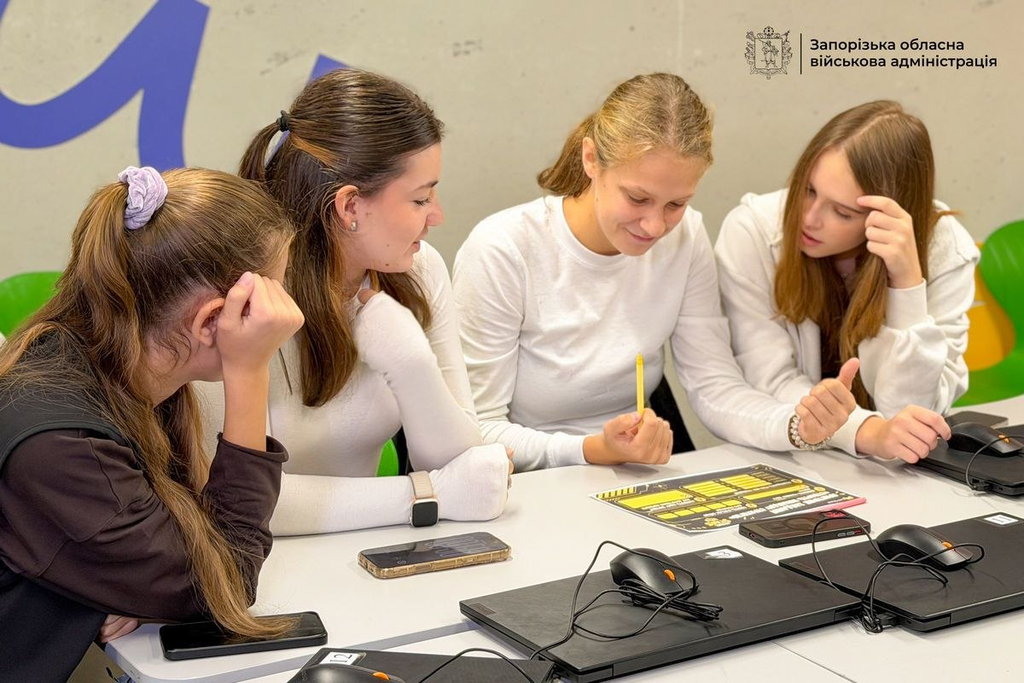
Gymnasium No. 40 started with audience research. Participants of ZG40 Esports surveyed their peers, organized the responses, and prepared analytical materials for further decisions. At Gymnasium No. 12, the PROPLAY team also studied students' interests, distributed responsibilities, created the club's identity, and later tested their preparation with a small training tournament in Clash Royale. In one case, the research became the main result; in the other, it became part of the path toward the first event.
In the first case, the survey helped determine the next steps; in the second, it became part of the preparation for a practical test.
At Elint Lyceum, alongside previously held competitive projects, other formats are appearing. For example, on November 10, a Roblox game involving girls was held here. Two teams competed, and the “Bohany” team won. Now the club plans to attract new participants and create teams, gradually expanding its activities according to the students' own interests.
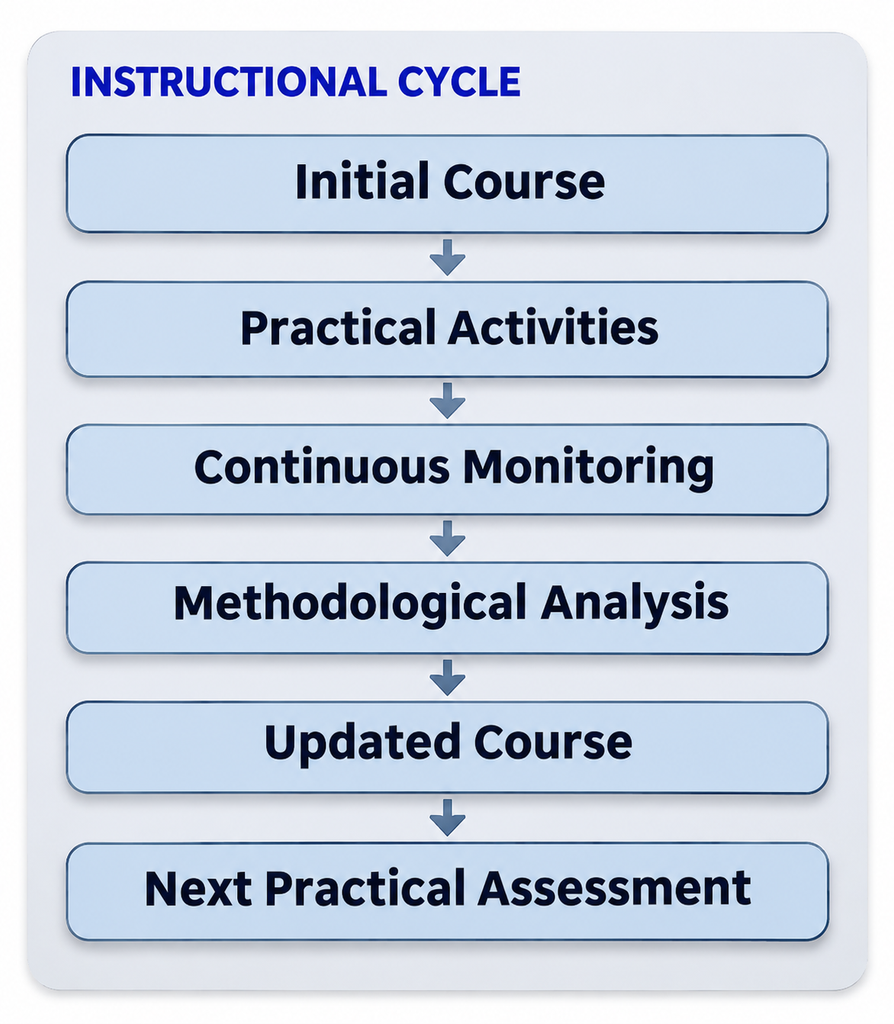
At Lyceum No. 45, the participants of ready2playy met again after holding an event — not for a match, but to discuss their own decisions, hear feedback, and determine what to change next time. Thus, a learning cycle of the project is formed through preparation, implementation, analysis, and another attempt.
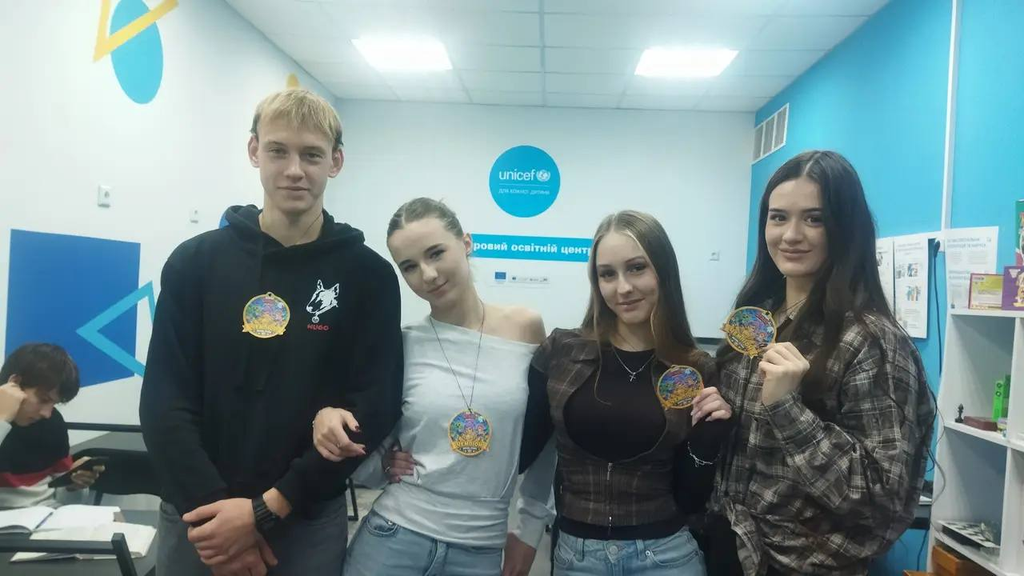
The first ESUL course was dedicated to the basics of organizing clubs: how to attract participants, distribute functions, plan events, and evaluate what had been done. But the real test of this knowledge begins when students return to their teams and try to put their plans into practice.
The example of No. 34 showed that even a prepared tournament may require changes. The experience of No. 45 showed that work does not end after an event: mistakes need to be analyzed before moving forward. In other clubs, difficulties arise with attracting new students or distributing responsibility among activists.
The methodological team collects these observations, identifies the questions students encounter most often, and uses them to prepare additional educational materials and sessions. Students then apply their new knowledge in their own projects. In this way, the educational program develops alongside the communities rather than remaining an unchanged list of topics.
A teacher in this model does not have to be an esports coach. It is more important to help organize safe activities, establish communication with the administration, involve different groups of students, and support the team when it encounters a problem. At School No. 87, the teacher participates in the life of MEEPOteam as a moderator, leaving the main organizational functions to the students themselves.
This is a delicate balance. If the teacher does everything, students remain executors; if the adult completely steps away, some children may never find their place in an already established group. Therefore, support is needed not to manage every step, but to maintain the community's independence and openness.
This way, the club does not depend only on a few of the most active friends, while other children also get the opportunity to join — with their own ideas, interests, and level of experience.
Around the world, school esports combines different approaches. In South Korea, a system of student competitions with progression to national stages is being developed; the NASEF network focuses on career pathways around games, while the British Esports Student Champs gives students experience in broadcasting, marketing, and commentary. In Zaporizhzhia, these educational tasks are accompanied by the need to constantly adapt activities to local conditions.
Starting a school club does not necessarily require a modern computer lab. Where possible, students use mobile disciplines; when resources are available, computer or console formats are used. Alongside gaming, there is research, design, media, and organizational work. The choice of activity depends on the participants' age, available devices, and the possibilities of the specific school.
In Zaporizhzhia, educational sessions and methodological consultations are conducted remotely. Clubs organize their own meetings and events in person or online, depending on the security situation, availability of electricity, and connectivity. Not all schools can work at the same pace, but that does not mean their practical experience is less important.
Because of these limitations, even a small task that a team can complete using available devices is important. Preparing a poster, researching students' interests, or holding a local meeting can sometimes be more realistic than immediately organizing a large-scale tournament. It is from such manageable steps that regular work can begin.
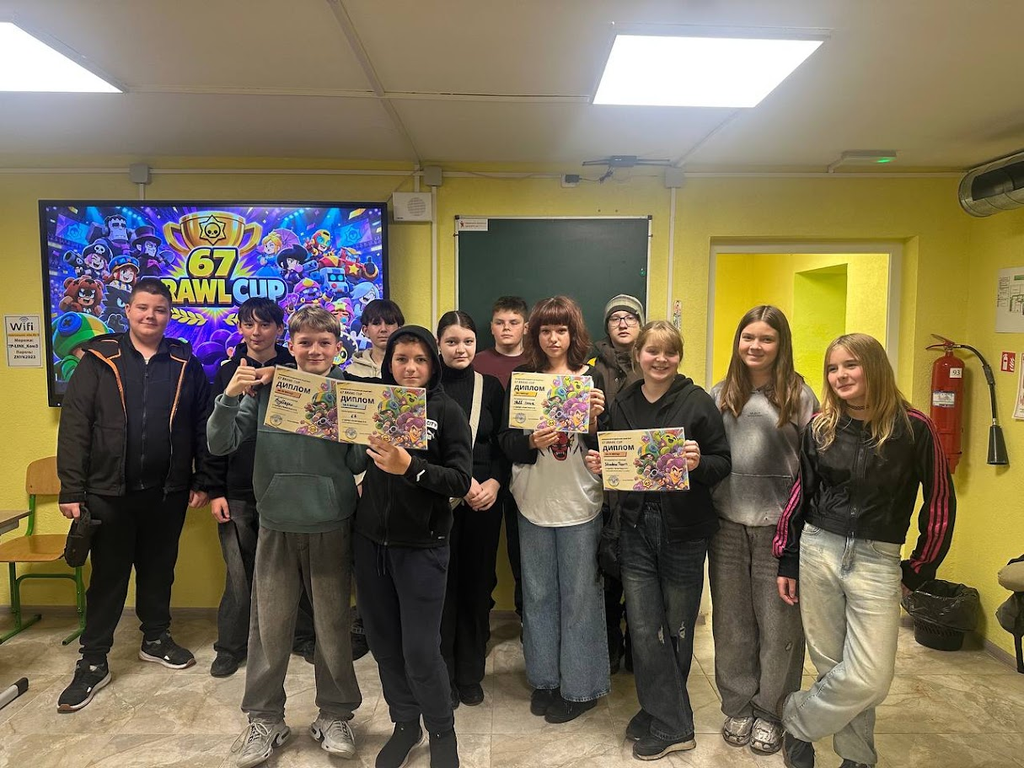
After a competition, the life of a community should not stop. At Gymnasium No. 62, new interested students appeared after a Brawl Stars tournament, wanting to join and proposing their own ideas. At Gymnasium No. 92, a different issue had to be addressed: how to continue working when the previous organizing team lost its activity. There, a new introductory meeting was held, student profiles were updated, and the next tasks were determined.
In such situations, it is important that the experience does not remain only with those who started the club. Someone will graduate from school, change their interests, or decide to try a different role. Therefore, students gradually learn to pass functions, materials, and responsibility on to their successors — and to keep the community open to new people.
For a child, this is also an opportunity to change direction without feeling that they have “let the team down.” Today they organize matches, later they may try design or take on communication. And someone else will take their place. If a club can continue working after such changes, it becomes a real school community rather than a one-time initiative.
At School No. 87, the MEEPOteam club holds regular meetings and runs its own social media. One of the planned meetings had to be canceled due to a power outage. However, according to the teacher, the children continued asking when they would be able to get together again. Here, it is not only the specific game that matters, but the opportunity to see each other, communicate, and continue working together.
The winners' trophy from one of the Elint Lyceum tournaments can be placed on a shelf, shown to friends, or remembered years later. But not everything participants gain can be photographed next to an award.

What remains after a tournament are the first attempts to organize people, agree on rules, change an unsuccessful plan, or explain an idea to someone. Someone may want to develop in design, analytics, or media, while someone else may realize that these areas are not for them. Both outcomes help them understand themselves better.
For Zaporizhzhia, where school life is constantly interrupted by air raid alerts, power outages, and other consequences of the war, the opportunity to continue working together is especially important. Even a small club meeting is an opportunity to maintain connections with peers, share ideas, and feel part of a team.
Such stories also change the very question of video games in education. Instead of arguing about how much time a child spends playing a game, another question emerges: what exactly can they create around that game?
As a reminder, the phenomenon of Grand Theft Auto.


