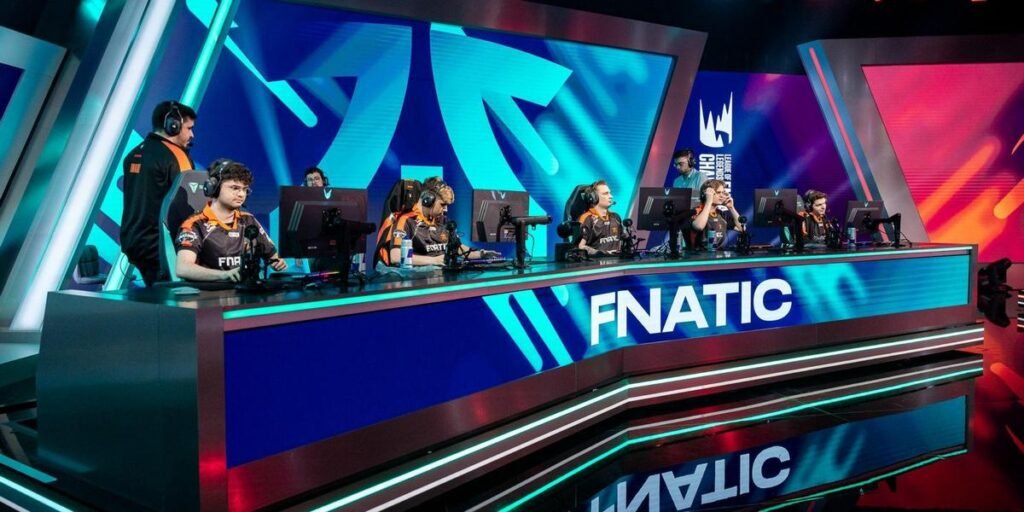
For the long-term success of the esports industry, community development is a far more important factor than constant tournament victories or attempts to artificially attract a mass audience. This point is emphasized by Wouter Sleijffers, who served as the CEO of the esports organization Fnatic from 2015 to 2019.
According to Sleijffers, placing in the top four in esports is often a perfectly sufficient result. Constant victories can even harm an organization, as they increase the risk of star players being poached by other teams. It is much more beneficial to maintain consistently good results alongside media-friendly esports athletes that fans can easily connect with. Having a charismatic personality on the team often brings more commercial value than holding the number one spot in the rankings.
The industry requires a careful balance between satisfying the needs of hardcore fans and attracting a new audience. Sleijffers criticizes irrelevant sponsorship integrations that do not contribute to community building. In particular, he questions the strategy behind tournaments like the Esports World Cup, which relies on artificial hype and performances by DJs who are completely unrelated to gaming. Instead, brand partnerships and shows should be organic—for example, utilizing music remixes from the games themselves to build a bridge between esports and "casual" viewers without alienating dedicated fans.
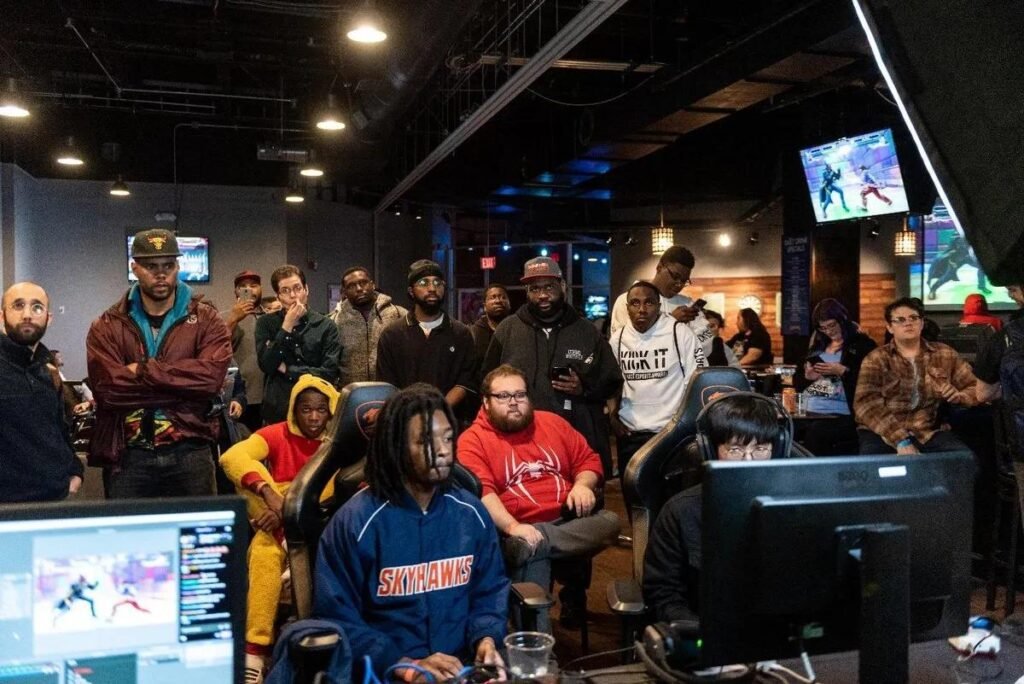
A key tool for development is empowering the community itself. As an example, the former Fnatic executive recalled a time when a company employee independently organized an amateur Street Fighter tournament at their London office. Over the weekend, the event gathered a massive number of fans from various countries, demonstrating the sheer effectiveness of grassroots initiatives and genuine love for the game.
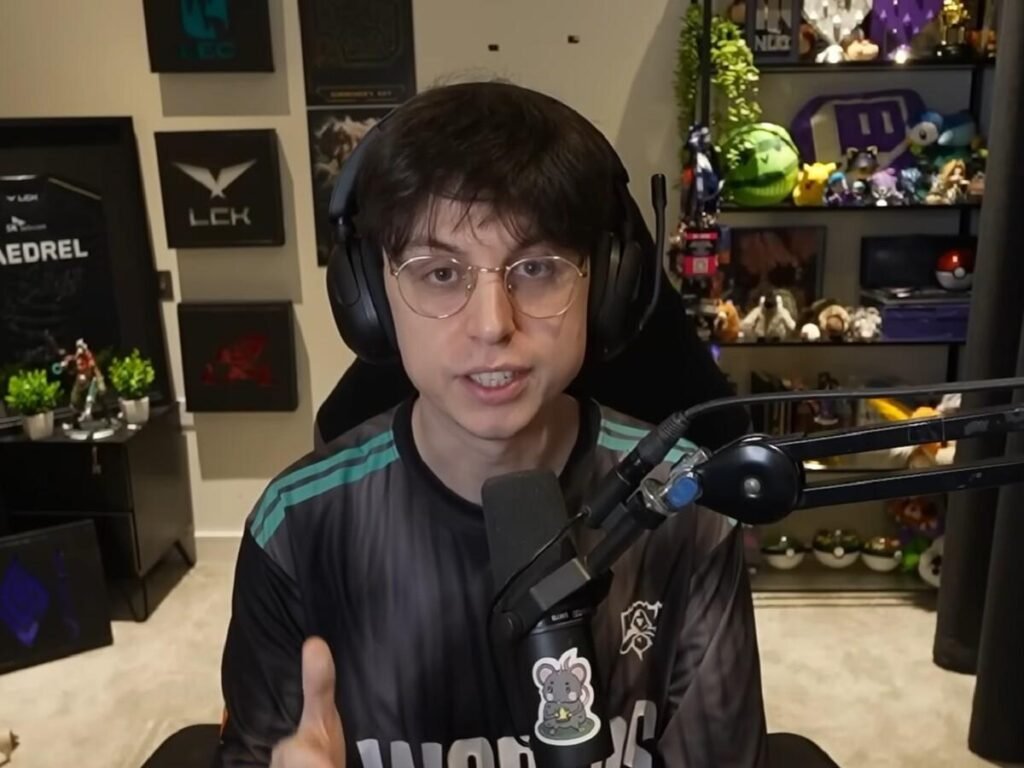
Streamers also play a vital role in the ecosystem, but they must be engaged thoughtfully. Rather than chasing the mass audiences of influencers who have zero interest in esports, organizations should collaborate with content creators who are already part of the community. A successful example is former professional player and caster Marc "Caedrel" Lamont, whose streams attract a massive audience while remaining authentic and professional. From a return on investment (ROI) perspective, this approach is far more effective.
Sleijffers also warns against blindly copying the business models of traditional sports, pointing to the failed experiment of the franchised Overwatch League. The format forced organizations to create entirely new brands, which destroyed the teams' existing identities (this was the main reason Fnatic opted out of participating at the time). Esports has not yet reached the level of traditional sports, and profitability is only possible within a mature ecosystem that is allowed to develop naturally.
Summing up, Wouter Sleijffers notes that game publishers and tournament organizers should focus on providing digital tools and rule sets, while trusting local communities to host grassroots events. Esports must remain open and beginner-friendly, preserving its unique identity, rejecting artificial hype, and supporting authentic growth.
As a reminder: On August 1, 2011, Valve Announced the First The International, and Ukrainian NAVI Subsequently Became the First Dota 2 World Champion


