October 28, 2008, saw the release of Fallout 3 on PC, PlayStation 3, and Xbox 360 — a game that effectively rebooted the iconic post-apocalyptic series and introduced it to millions of new players. Developed by Bethesda Game Studios, known for The Elder Scrolls series, Fallout 3 radically reimagined the franchise: instead of the isometric RPG format of the original games, players received a massive 3D open world that could be explored with remarkable freedom.
The story of Fallout 3 began long before its release. The first two games in the series were created by Interplay, and Fallout quickly became one of the most recognizable Western role-playing franchises. However, by the late 1990s and early 2000s, Interplay was facing serious financial difficulties, and work on the next Fallout game eventually came to a halt.
In 2004, Bethesda acquired the rights to develop and publish Fallout 3. At the time, the company already had significant experience creating large-scale role-playing games through The Elder Scrolls series. Bethesda would later acquire the full Fallout franchise, but the move of development to a new studio marked the beginning of one of the most ambitious projects in the company's history.
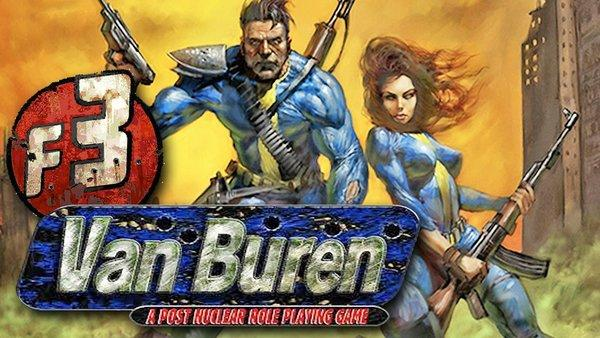
The original Fallout 3 was being developed by Interplay and Black Isle Studios under the codename Van Buren, but the project was ultimately cancelled. Bethesda's version was essentially built from scratch and did not use the code from the cancelled game.
For Bethesda, the biggest challenge was figuring out how to bring Fallout into the modern gaming landscape of 2008 without losing the elements that had defined the original series.
The first Fallout games were isometric RPGs with turn-based combat and a heavy emphasis on dialogue and text. Bethesda took a completely different approach. Drawing on its experience with The Elder Scrolls IV: Oblivion, the studio created Fallout 3 as a first- and third-person 3D RPG set in a large open world.
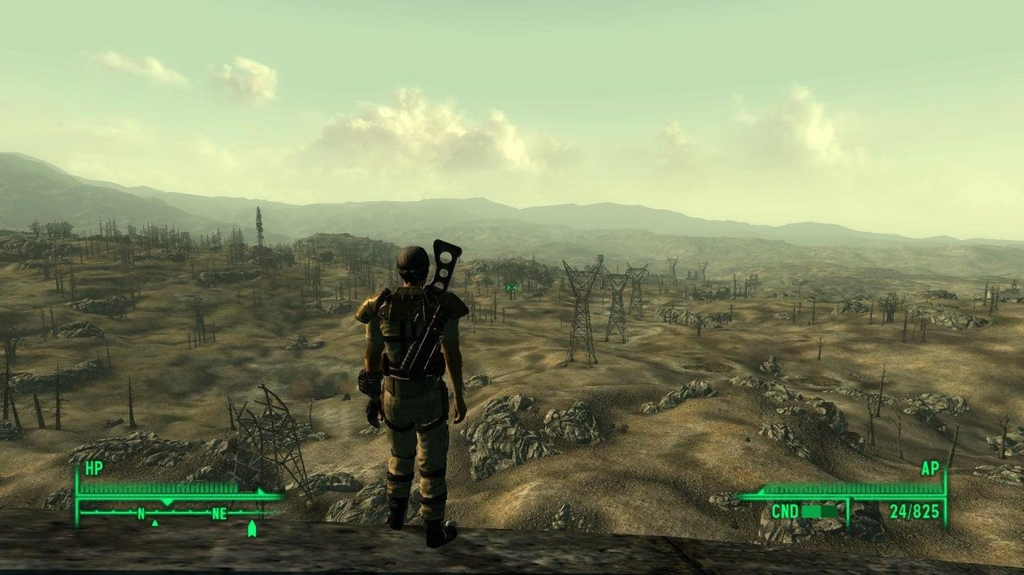
The decision was controversial even before release. Some fans of the original Fallout games feared that Bethesda would simply create an "Oblivion with a post-apocalyptic setting." Comparisons between the two games were widespread during development. At the same time, Bethesda wanted to preserve one of Fallout's central ideas — freedom of choice and the ability for players to shape their own stories.
Fallout 3 moved the series to the eastern United States, specifically the ruins of Washington, D.C., and the surrounding territories known as the Capital Wasteland.
The player begins the story inside Vault 101, one of the underground shelters built before the nuclear war. After the protagonist's father leaves the Vault, the player is forced to venture outside for the first time and search for him.
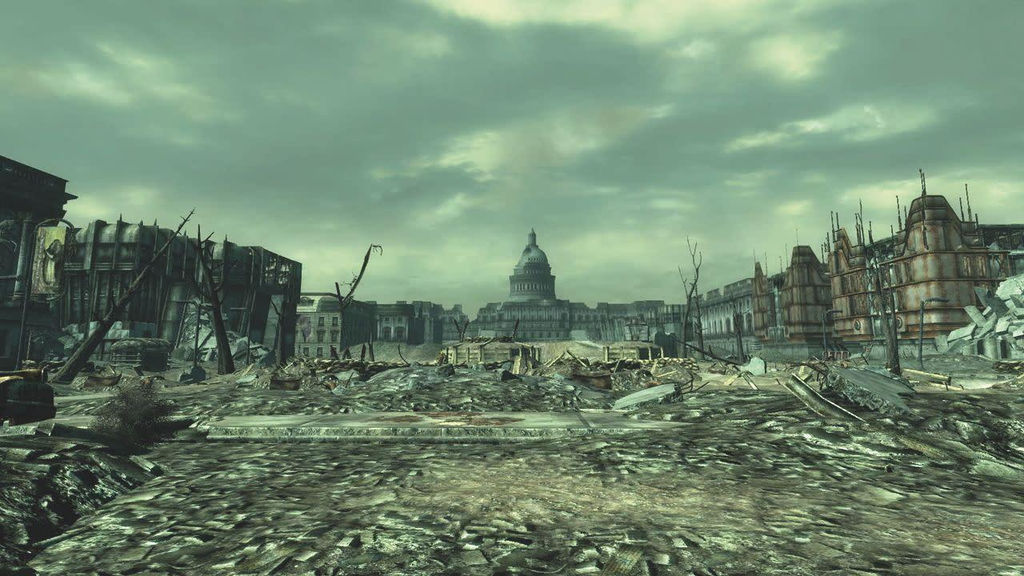
The moment when the player finally leaves the Vault became one of Fallout 3's most memorable scenes. After spending the opening of the game in a confined underground environment, the player suddenly finds themselves looking across a huge post-apocalyptic landscape.
Bethesda also placed a strong emphasis on exploration rather than simply following the main storyline. Players could leave the main quest for long periods, discover new locations, complete side quests, and make decisions that affected the world around them.
One of Fallout 3's defining features was its system of moral choices. The game repeatedly placed players in situations where there was no obvious right answer.
Decisions could change the fate of individual characters, affect settlements, and determine how certain storylines developed. As a result, two people could experience Fallout 3 in very different ways.
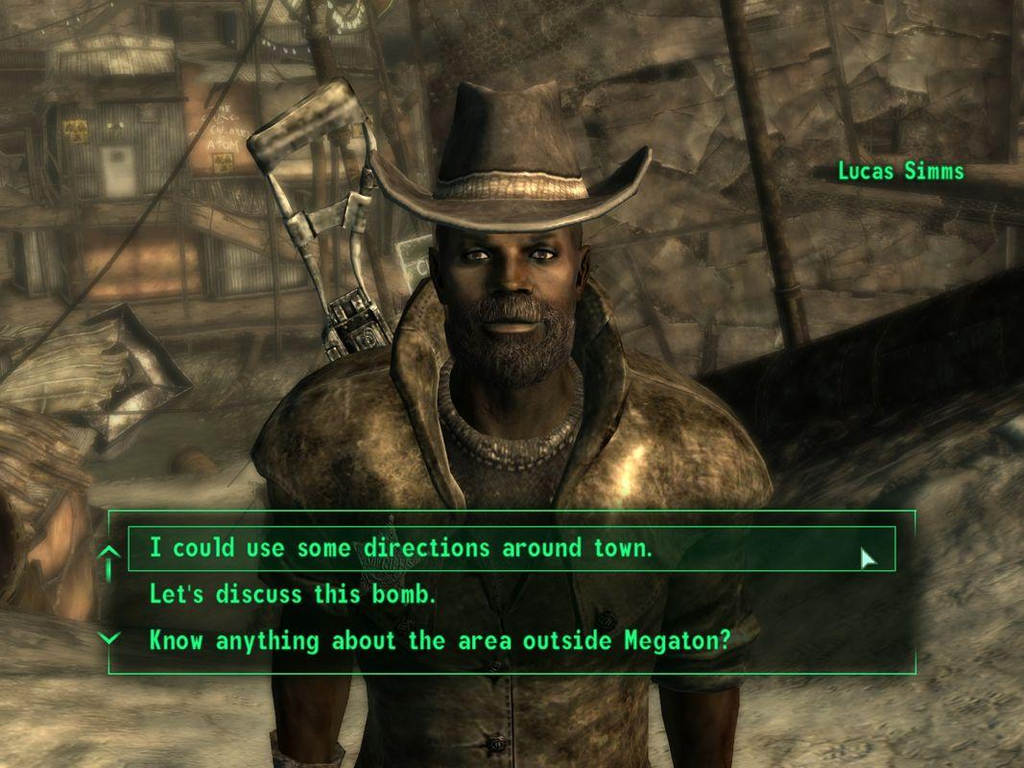
This freedom was widely praised by critics following the game's release. GameSpot, for example, highlighted how the player's decisions could have significant consequences and influence the overall experience.
Another major feature was the V.A.T.S. system. It allowed players to pause combat and plan their next actions by selecting specific targets and allocating action points.
V.A.T.S. became something of a bridge between the classic Fallout games and Bethesda's new 3D interpretation of the franchise. The studio preserved an element of strategic planning while also allowing players to control their character directly in real time.
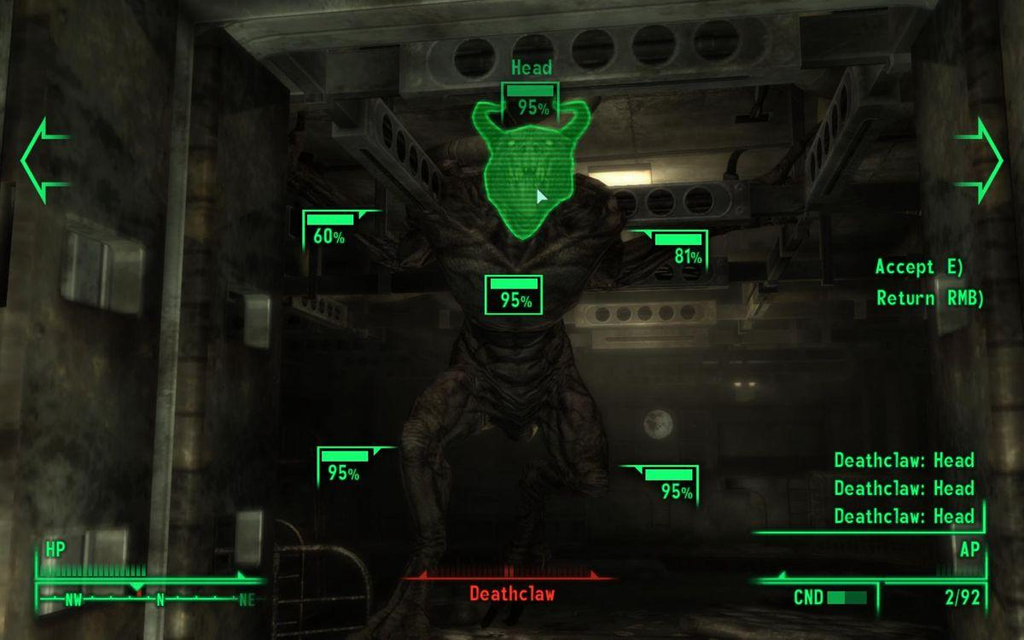
The result was a combination of traditional RPG mechanics and the first- and third-person gameplay associated with Bethesda's large open-world games. This helped make Fallout 3 accessible not only to fans of the original games, but also to players who had discovered Bethesda through The Elder Scrolls.
Fallout 3 was released on October 28, 2008, for PC, PlayStation 3, and Xbox 360. The game immediately received strong reviews from critics.
Fallout 3 currently holds a 93/100 score on Metacritic based on 84 critic reviews. GameSpot gave the game 9/10, praising its large world, story, and freedom of choice.
Despite its success, Fallout 3 was not without controversy. Some fans of the first two games believed Bethesda had changed the formula too dramatically. The biggest debates focused on the move from an isometric RPG to a 3D open world and the changes to the combat system.
However, those changes also allowed Fallout to reach an audience far beyond fans of classic computer RPGs.
Fallout 3 became one of Bethesda's most important projects and a landmark title for the open-world RPG genre. The studio demonstrated that a large Western RPG could combine an expansive world with cinematic presentation, exploration, and meaningful player choices.
After the release, Bethesda did more than simply continue Fallout 3's story — the studio began experimenting with its formula. In 2009, five major expansions were released: Operation: Anchorage, The Pitt, Broken Steel, Point Lookout, and Mothership Zeta, which expanded the world and introduced additional storylines. Together, they added new locations, storylines, and gameplay mechanics, with some of them differing so much from the main game that Fallout 3 practically transformed into a different genre for several hours. Bethesda officially presented each expansion as a standalone adventure, and all five were eventually included in the Game of the Year Edition.
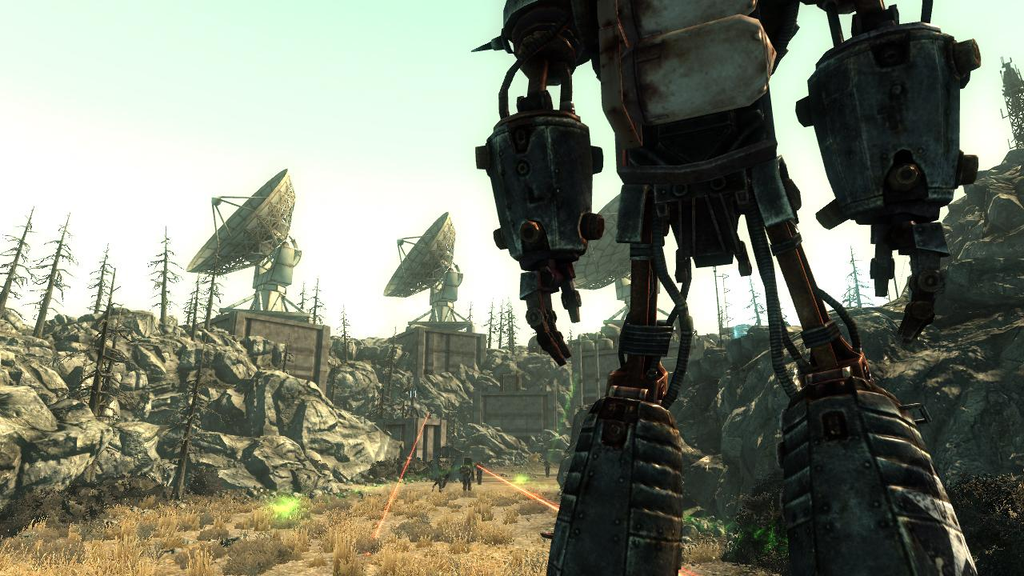
Operation: Anchorage was perhaps the most unusual experiment. The player enters a military simulation recreating the Battle of Anchorage in Alaska — one of the key events in Fallout's pre-war history. Instead of the familiar exploration of the Wasteland, the expansion focuses on linear progression and combat, making Fallout 3 genuinely feel like a military shooter for a while. This change of pace remains one of the most controversial aspects of the DLC: some players enjoyed the unusual experiment, while others felt that it lacked the freedom of the main game.
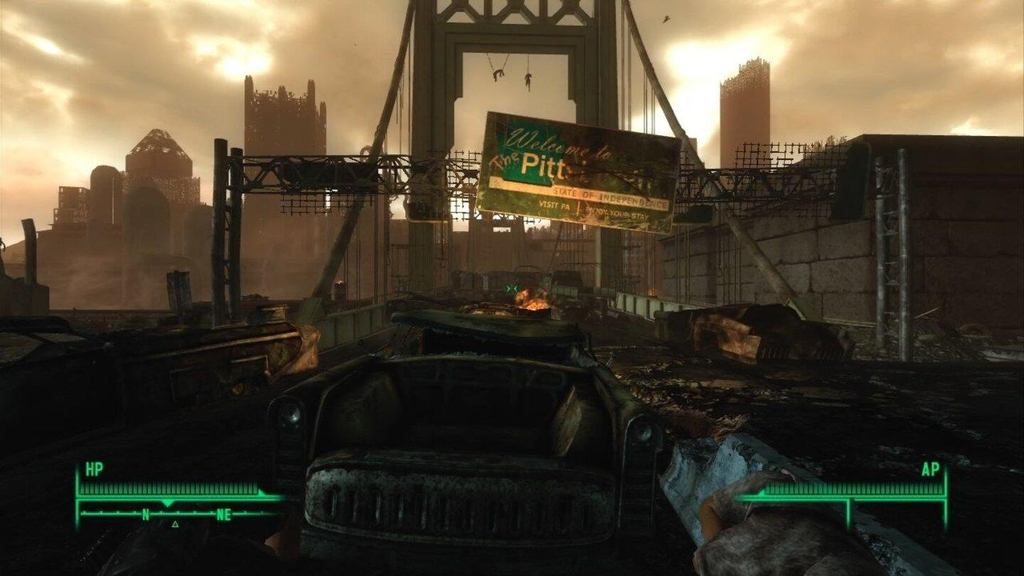
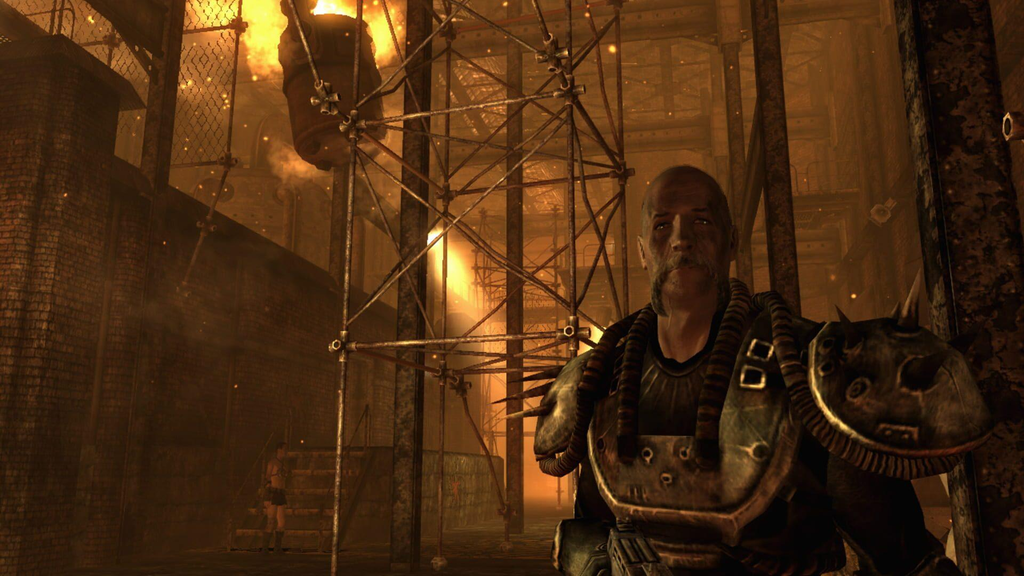
The Pitt works very differently. The player travels to post-apocalyptic Pittsburgh, where they find themselves caught in a conflict between enslaved people and their raider masters. To enter the city, the protagonist initially has to pose as one of the slaves. This is what creates the expansion's distinctive atmosphere: The Pitt feels less like another Wasteland location and more like a separate, grim world with its own rules, social structure, and moral dilemmas. Bethesda deliberately emphasized morally ambiguous choices, making it much harder to divide the characters into clearly “good” and “bad” sides.
Broken Steel was the most important expansion for those who wanted the main story to continue. It allowed players to keep playing after completing the main campaign, continued the conflict with the Enclave, and raised the maximum character level from 20 to 30. As a result, Fallout 3's ending was no longer the definitive conclusion, while the Wasteland received a new chapter of the story and additional content.
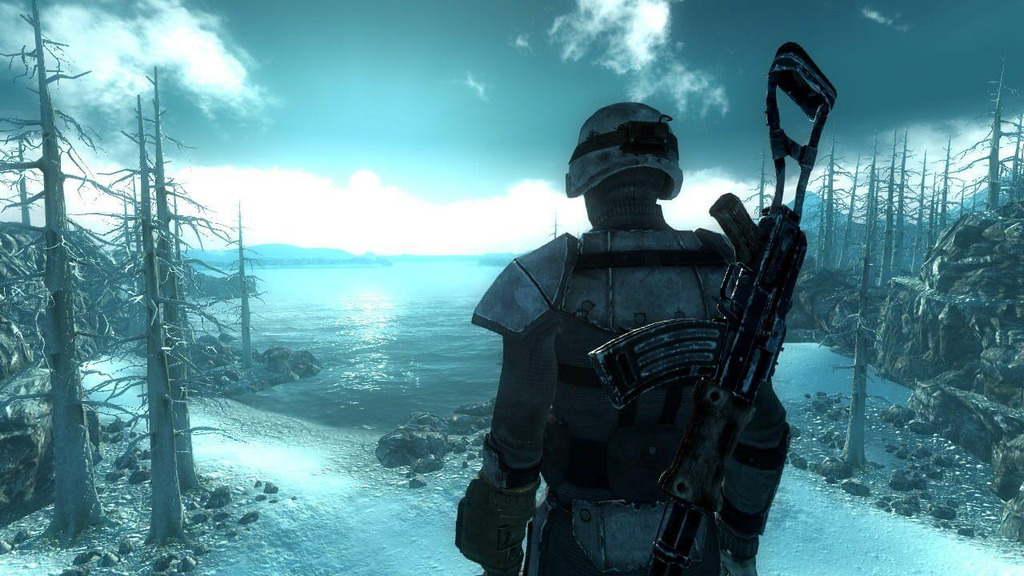
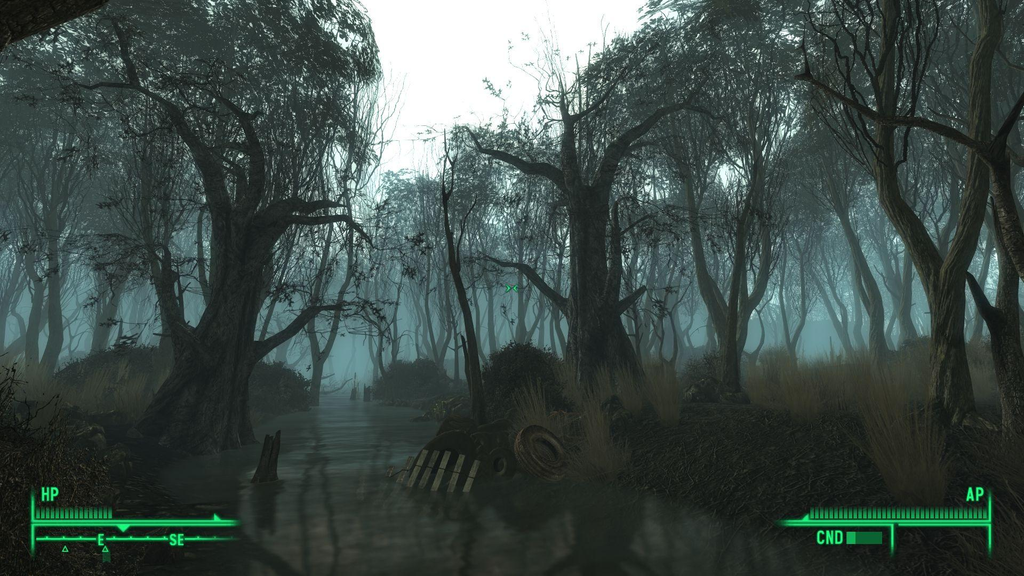
But Point Lookout perhaps delivered the strongest atmosphere. Instead of the ruins of Washington, D.C., the player travels to the Maryland coast — a huge swampy region filled with a half-ruined town, old buildings, and strange inhabitants. The location is radically different from the Capital Wasteland: there is no familiar urban post-apocalyptic setting, and exploration feels more like an unsettling journey into an unknown region. Bethesda itself described Point Lookout as a large new territory filled with secrets and an open-ended adventure structure.
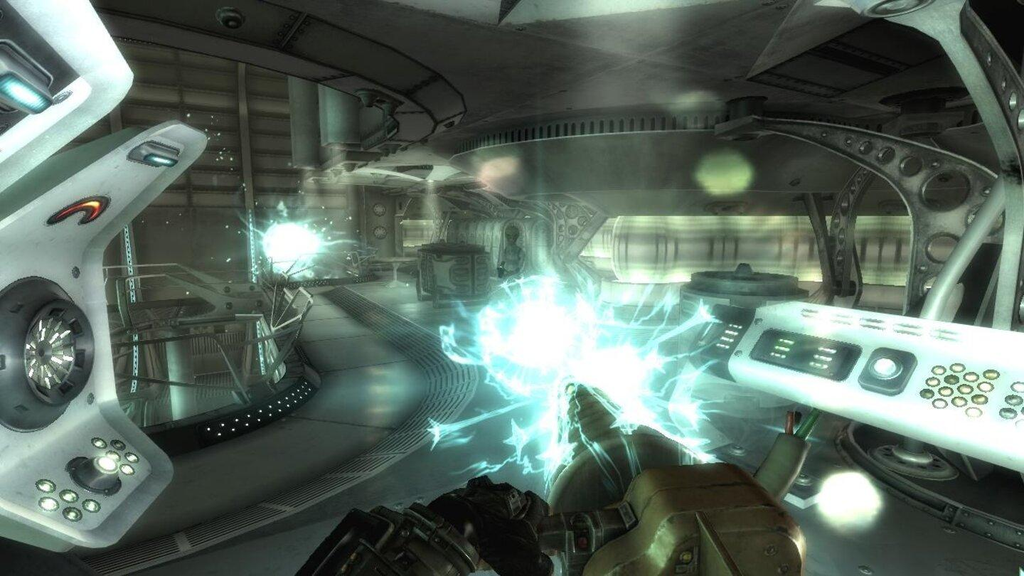
Mothership Zeta went even further and essentially took Fallout 3 beyond Earth. The protagonist finds themselves aboard an alien spacecraft hovering above the Capital Wasteland and must find a way to escape alongside other abducted people. It is almost pure science fiction, deliberately moving away from the familiar post-apocalyptic setting. That is why Fallout 3's five DLCs demonstrate so well how willing Bethesda was to experiment with its own formula: from the military simulation and grim Pitt to the swamps of Point Lookout and the journey into space.
Bethesda later continued developing its own vision of Fallout, while Obsidian Entertainment created Fallout: New Vegas, using the foundation of Fallout 3 while placing an even greater emphasis on role-playing choices.
Today, Fallout 3 remains an important chapter in the history of the franchise. Bethesda did not simply continue Fallout after a long break — it effectively introduced the series to a huge new audience and demonstrated that a post-apocalyptic RPG could work as a massive open-world experience.
On October 28, 2008, Fallout 3 became the point where classic Fallout met Bethesda's new era. That combination would shape the direction of the franchise for years to come.
As a reminder, League of Legends — how Riot Games created the game that changed esports.


