On October 19, 2010, Fallout: New Vegas was released in North America — a role-playing game developed by Obsidian Entertainment for PC, PlayStation 3, and Xbox 360. European players had to wait a few more days, as the game was released there on October 22.
New Vegas was not a direct sequel to Fallout 3. Bethesda handed development of a separate game to Obsidian Entertainment, whose team included developers familiar with the classic Fallout games. This gave the studio an opportunity to return the series to the western United States while placing greater emphasis on role-playing elements, factions, and the consequences of player choices.
Over the years, Fallout: New Vegas became one of the most beloved entries in the series, although its journey to that status was far from perfect.
Fallout: New Vegas takes place in 2281, 204 years after the nuclear war. This time, players are taken to the Mojave Desert and the surrounding areas of what was once Las Vegas.
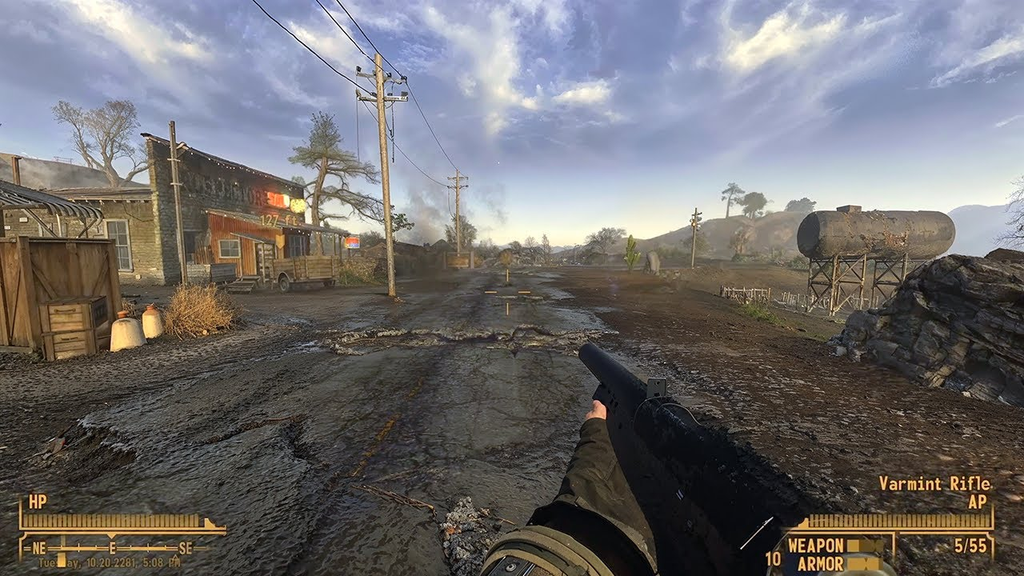
The protagonist is known as the Courier, who is tasked with delivering a mysterious platinum chip. However, on the way, the Courier is ambushed by Benny — a character in a checkered suit who takes the package, shoots the Courier in the head, and leaves them for dead.
The protagonist survives, and the search for Benny begins. But what initially appears to be a simple story of revenge gradually turns into a much larger conflict over the future of the entire region.
The story revolves around a conflict between several major powers.
The New California Republic is attempting to expand its territory and establish control over the Mojave. Opposing it is Caesar’s Legion — a brutal totalitarian state modeled after Ancient Rome.\
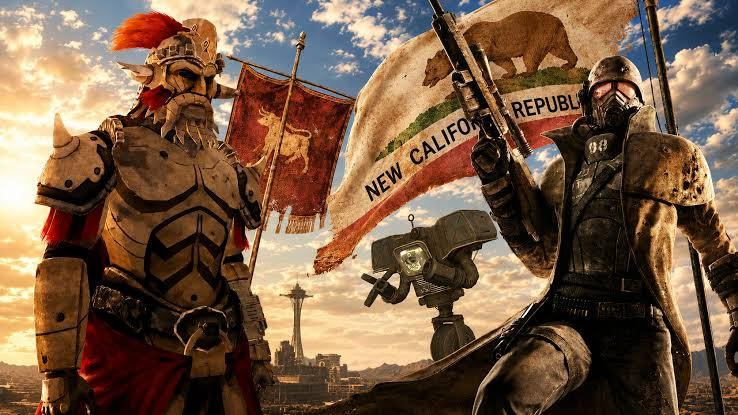
A separate faction is represented by the mysterious Mr. House, who controls New Vegas and an army of Securitron robots.
The key location in the conflict is the Hoover Dam. Control over it means access to enormous amounts of electricity and, effectively, power over the region.
At the same time, Fallout: New Vegas does not force players to support any particular side. The Courier can join the NCR, help the Legion, support Mr. House, or attempt to make New Vegas independent.
This freedom of choice became one of the game's defining features.
Obsidian placed a major emphasis on its reputation system. The Courier’s actions affect how different factions treat them. Helping one side can damage relations with another, while certain decisions can unlock or permanently close off specific quests.
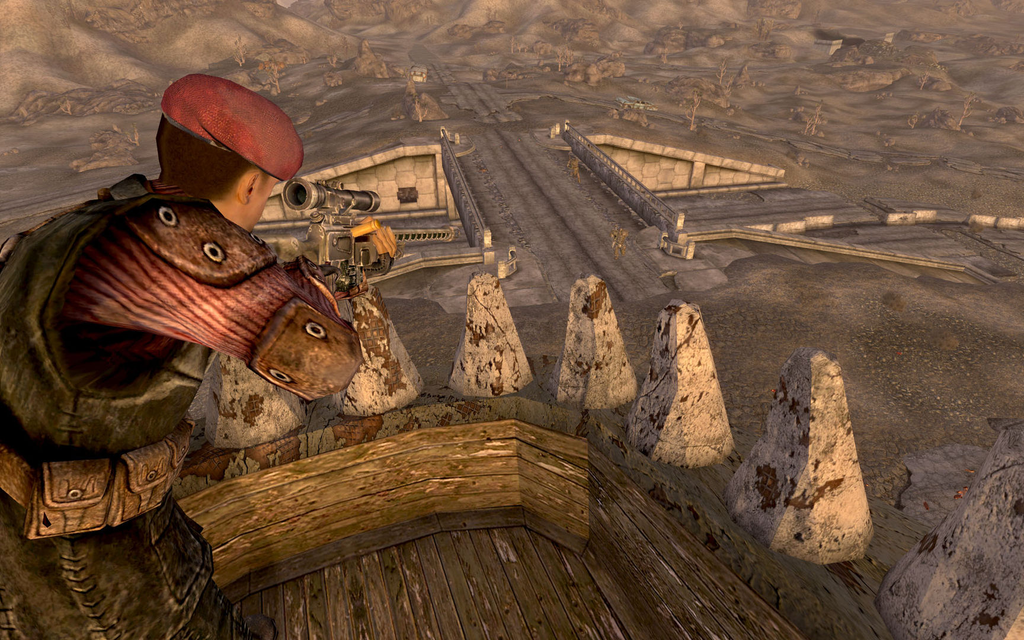
Even clothing could matter. If the Courier wore the uniform of a particular faction, other characters could perceive them as one of its members.
Beyond major powers such as the NCR and the Legion, the Mojave was home to numerous smaller factions, including the Brotherhood of Steel, Great Khans, Boomers, Powder Gangers, and others. Their fates could also be heavily influenced by the player’s decisions.
At the end of New Vegas, the game showed the consequences of those choices and explained what happened to different characters, settlements, and factions after the main story.
One of the most famous details about Fallout: New Vegas is how quickly it was developed.
Obsidian had approximately 18 months to create the game. The team used the technological foundation of Fallout 3, including the Gamebryo engine, while simultaneously building a huge new world, characters, dialogue, quests, and a complex faction system.
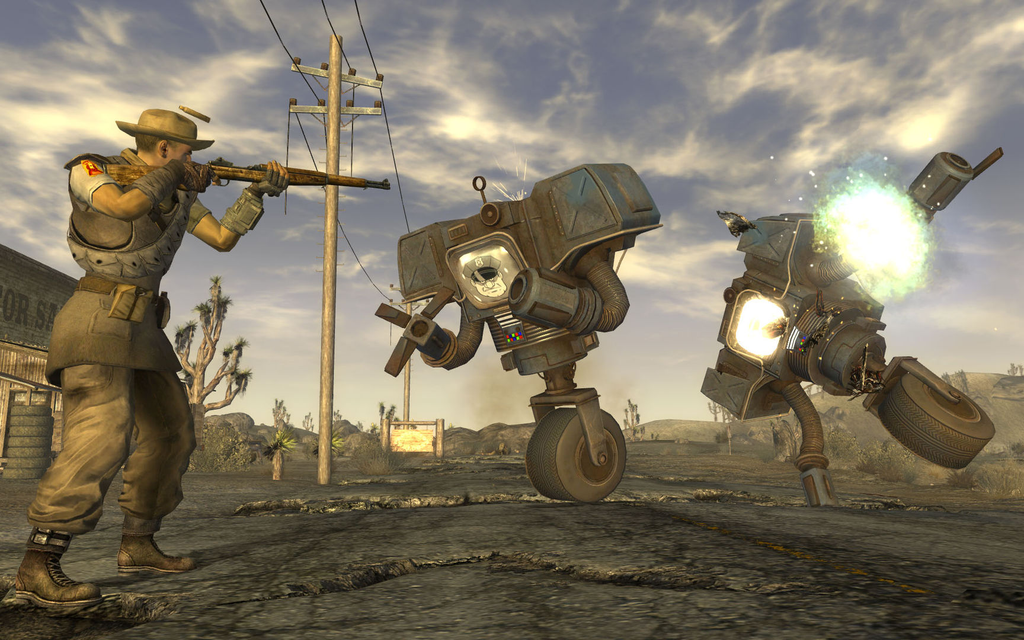
That pace came at a price. At launch, Fallout: New Vegas had numerous technical problems. Players encountered bugs, crashes, performance issues, and other errors.
Obsidian and Bethesda released updates to gradually fix the game, but its technical condition had a noticeable impact on its initial reception.
Fallout: New Vegas is also associated with one of the most famous Metacritic stories in the gaming industry.
According to Obsidian co-founder Chris Avellone, the studio's contract included an additional bonus if the game achieved at least 85 points on Metacritic. The PC and Xbox 360 versions of Fallout: New Vegas received 84 points.
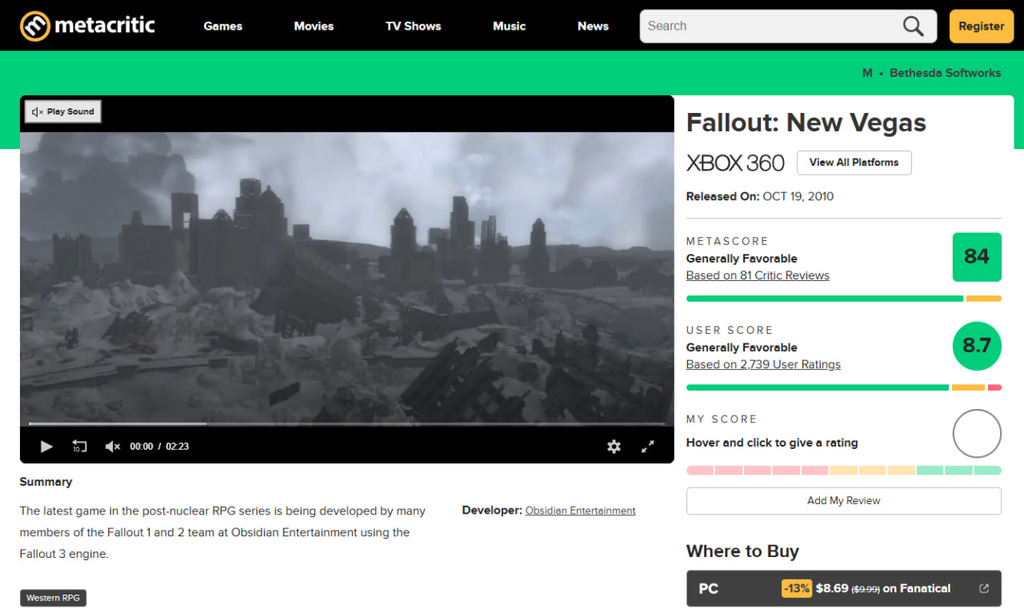
Obsidian missed the required score by just one point, meaning the studio did not receive the bonus payment. The story later became one of the most famous examples of how aggregate review scores could influence not only a game's reputation but also the financial results of its developers.
Despite its technical problems, players quickly appreciated what New Vegas was built around: freedom of choice, dialogue, characters, and the ability to approach the same story in completely different ways.
The game allowed players to resolve conflicts without relying solely on weapons. High Speech, Science, Medicine, and other skill levels could unlock additional dialogue options and quest paths.
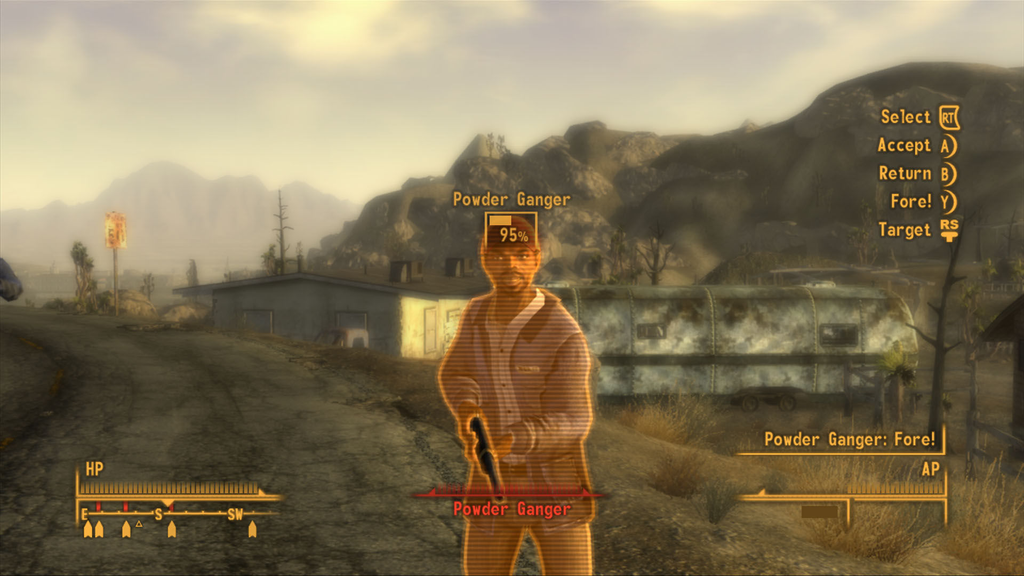
The Hardcore Mode also played an important role, making survival more difficult. Players had to manage hunger, thirst, and sleep, while healing became less forgiving.
The game later received the Dead Money, Honest Hearts, Old World Blues, and Lonesome Road expansions, which further expanded the story of the Courier and the Mojave.
Over the years, Fallout: New Vegas only grew in reputation. What could initially be overshadowed by technical problems eventually became the main reason fans loved the game — its deep role-playing systems, freedom of choice, and a world that reacted to the player's actions.
On October 19, 2010, Obsidian sent players into the Mojave Desert. The studio had limited time and a familiar technological foundation, but managed to create an RPG that people continue to discuss, remember, and revisit many years after its release.
As a reminder, Batman: Arkham City — how Rocksteady created one of the best superhero sequels in history.


