On November 19, 2000, Hitman: Codename 47 was released on PC in North America — the debut game from Danish studio IO Interactive, which started one of the most famous franchises in the stealth genre. The project offered an unusual take on the role of a contract killer for its time: instead of constant shooting, players had to plan every operation, monitor NPC behavior, use disguises, and find ways to complete missions with minimal noise.
Today, Agent 47 is one of the most recognizable characters in video game history, while Hitman is associated with large open locations, freedom of action, and numerous ways to complete a single mission. However, the first game in the series was far from perfect. It received mixed reviews due to its difficulty, controls, and technical issues, but its unusual concept became the foundation for the future of the franchise.
The story of Hitman: Codename 47 began quite differently from what one might expect. At the time the game was created, IO Interactive was a young Danish studio founded in 1998. The team initially worked on a fantasy MMO project called Rex Dominus, but the management of Nordisk Film, which was connected to the studio, was in no hurry to finance such an ambitious project. The developers were instead asked to prove their abilities with a simpler game.
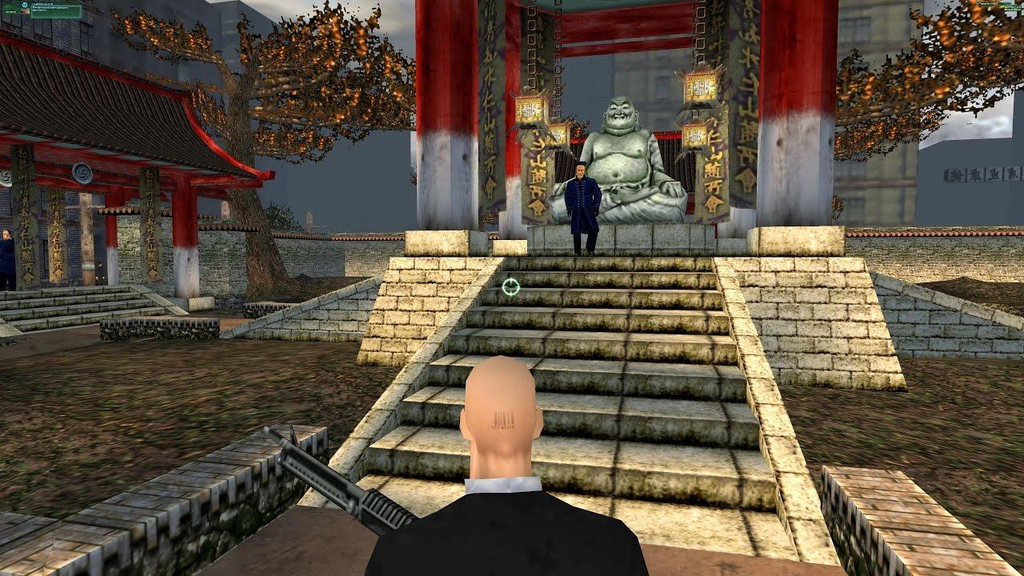
The team changed direction and began working on an action game inspired by John Woo's films, particularly Hard Boiled and The Killer. The original concept was much closer to a traditional shooter: the main character was supposed to move around in a suit and fight armed enemies. However, the idea gradually changed, and planning, disguises, and the ability to complete missions in different ways became more important than shootouts.
Eidos Interactive played an important role in the project's creation after becoming interested in the concept and taking part in financing and publishing the game. According to a study of the Danish game industry, IO Interactive received a loan of 17 million Danish kroner from Eidos to develop Hitman. The release was initially planned for spring 2000, but development took longer than expected, and the game eventually arrived closer to the Christmas season.
The game's central character was a mysterious man with the codename 47. He is a genetically modified clone created to carry out assassinations, with his past gradually revealed throughout the story. At the beginning of the game, 47 is held in a laboratory, from which he manages to escape before taking a job with the International Contract Agency, known as the ICA.
The player received a series of contracts in different countries and had to eliminate specific targets. At first, they appeared to be separate assignments with no connection to one another, but the story gradually began to reveal a larger conspiracy and 47's own past. This approach allowed the developers to combine individual missions with the character's story without turning the game into a linear adventure.
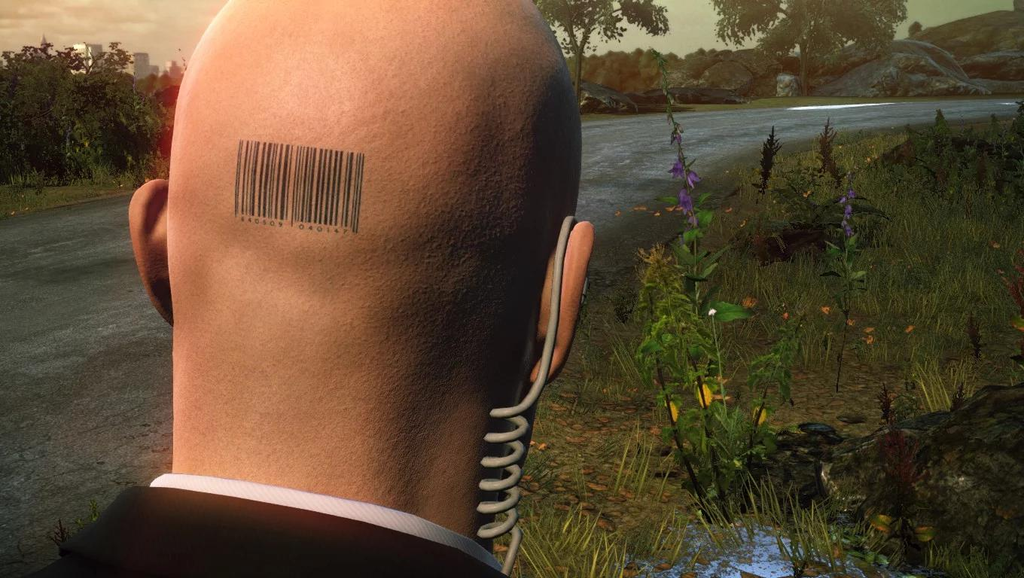
Agent 47's appearance also became an important part of the series' success. A bald man in a black suit, red tie, and a barcode on the back of his head immediately received a distinctive design. He rarely showed emotion, and his cold personality contrasted with the chaotic situations the player found themselves in.
One of IO Interactive's most ambitious decisions was the development of its own Glacier engine. At the time, the studio did not have an existing technological solution that would allow it to create the game it envisioned, so the team decided to build its own technological foundation. Glacier later became the basis for practically all of IO Interactive's subsequent games and continued to evolve for decades.
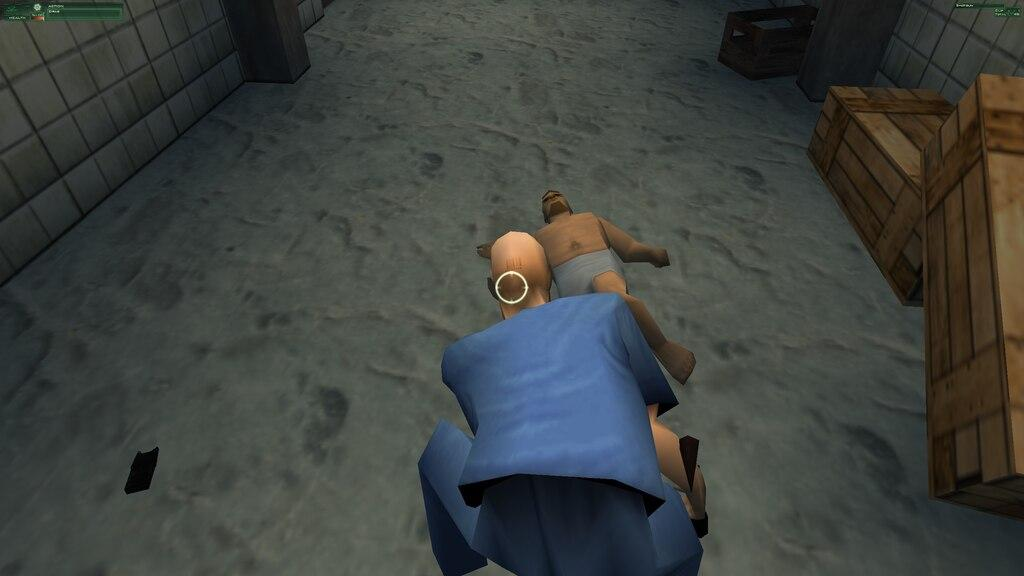
Character physics were particularly important for the first Hitman. The developers wanted to move away from standard pre-made falling animations that were used in many games at the time. The team experimented with a physical model for bodies, allowing enemies to fall differently depending on the situation and surrounding environment. These experiments became one of the early examples of ragdoll physics being used in games.
For a young studio, this was a serious technological challenge. The first versions of the system worked too slowly, forcing the developers to find compromises and optimize the calculations. In the end, the technology became more than just a visual detail — it became part of Hitman's overall concept, in which the world was supposed to react to the player's actions.
The main feature of Hitman: Codename 47 was the freedom of approach to missions. Players could use different equipment, monitor guards, hide, and find ways to reach their targets without direct confrontation. One of the key tools was disguises: 47 could take an enemy's clothes and use their appearance to infiltrate a guarded area.
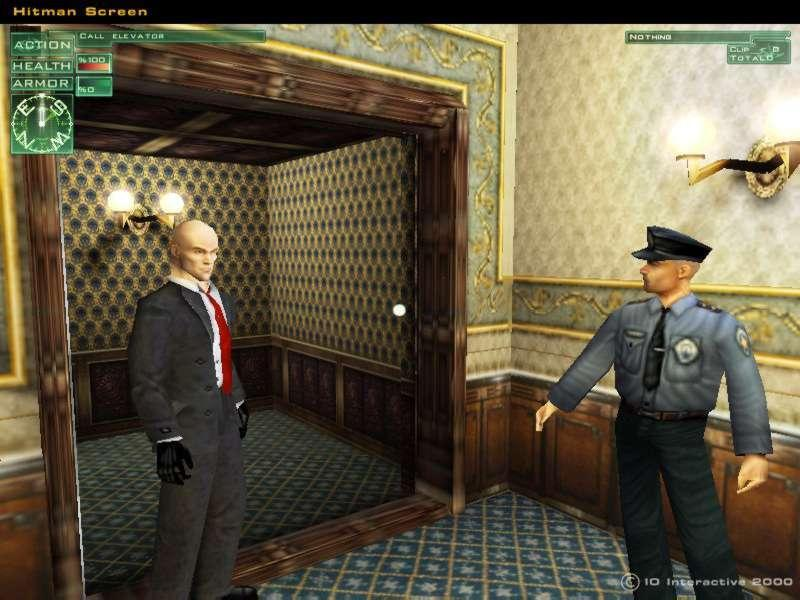
The system was far from perfect, but it laid the foundation for the future Hitman formula. The game essentially allowed every mission to become a small puzzle. Players had to understand who had access to a particular area, where the target was located, how the security system worked, and what moment would be best to use to complete the contract.
At the same time, Codename 47 was not a pure stealth game. Some missions were much more focused on shootouts, while opportunities for completing them without being detected were sometimes limited. That is why the first game in the series may seem much less flexible today than its successors. Nevertheless, IO Interactive had already demonstrated the direction that would eventually become the franchise's defining feature.
After its release, Hitman: Codename 47 received a mixed response from critics. The game was praised for its original concept, atmosphere, technical solutions, and unusual approach to stealth. At the same time, reviewers criticized its difficulty, controls, and technical problems, which could make the game particularly demanding for newcomers.
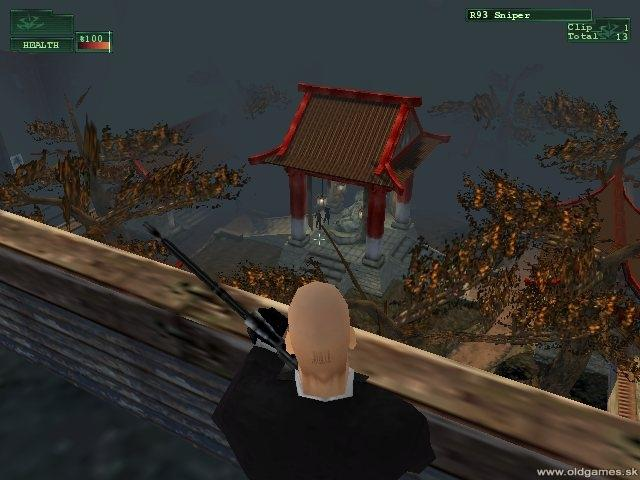
On Metacritic, the game received a score of 73 out of 100, corresponding to mixed or average reviews. However, some publications gave it significantly higher scores, praising the project's ambition and potential. The average result illustrates the main problem with the first game: Hitman already had a strong concept, but its technical execution had not yet reached its full potential.
Despite this, publisher Eidos Interactive saw potential in the game. The team was given the opportunity to continue working on the series, and in 2002 Hitman 2: Silent Assassin was released, becoming a much more polished and accessible game.
The commercial performance of the first game gradually proved that IO Interactive's experiment worked. According to Square Enix, by 2009 the first four games in the series — Hitman: Codename 47, Hitman 2: Silent Assassin, Hitman: Contracts, and Hitman: Blood Money — had sold around 8.3 million copies combined. Separately, in 2009 Square Enix reported that the original Hitman had surpassed 500,000 copies sold.
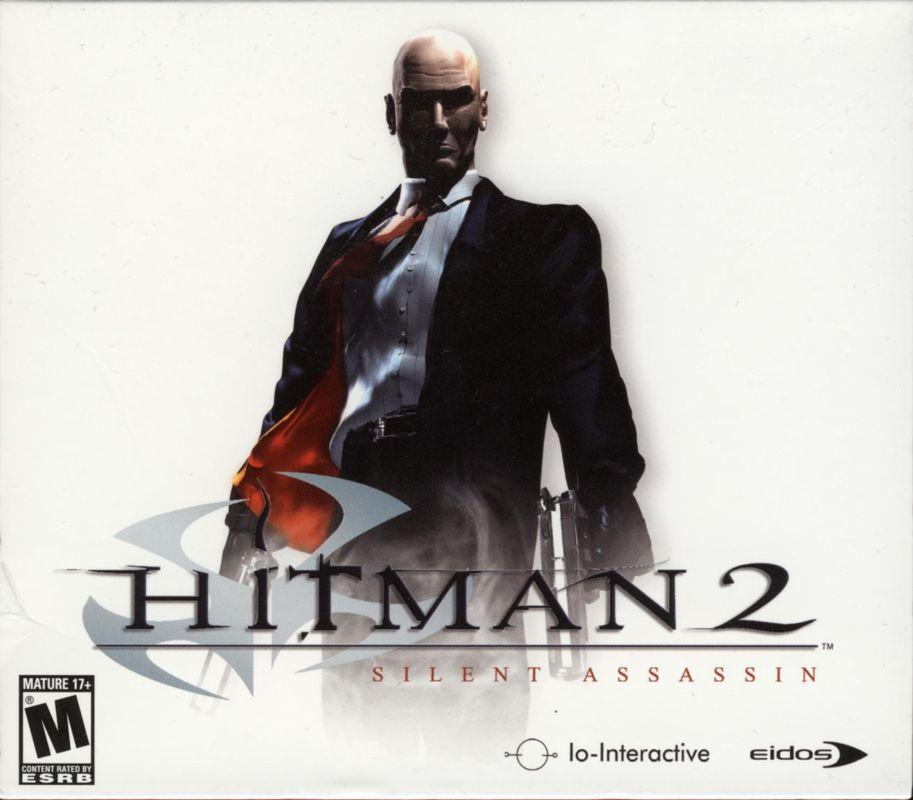
For the debut game from a young Danish studio, this was an important result. Even more importantly, IO Interactive was given the opportunity to develop its own formula. Subsequent games gradually improved the controls, artificial intelligence, level design, and freedom of approach, while the series began to develop the style that is now associated with Hitman.
As a result, Hitman: Codename 47 became more than just the first game about Agent 47. It became the technological and conceptual foundation for IO Interactive. The Glacier engine created for it was later used in the studio's subsequent projects, while the formula of contracts, disguises, and systemic levels survived through numerous sequels.
More than two decades after its release, it is difficult to consider Hitman: Codename 47 a perfect game. Its controls have aged, the artificial intelligence can sometimes behave unpredictably, and some missions can be extremely difficult. However, the historical importance of the first game in the series remains obvious.

It was the game that introduced players to Agent 47, established the basic principles of Hitman, and gave IO Interactive the opportunity to develop its own approach to systemic games. Over the following years, the studio released Hitman 2: Silent Assassin, Hitman: Contracts, Hitman: Blood Money, and Hitman: Absolution, before starting a new trilogy in 2016 that concluded with Hitman 3 in 2021. Today, these games are united under World of Assassination.
It all began with a small Danish studio that had not originally planned to create Hitman at all. Instead of a fantasy MMO, the team made a game about a cold-blooded contract killer, built its own engine, and created a concept that would eventually become the foundation of one of the most famous stealth franchises. On November 19, 2000, Hitman: Codename 47 opened the world of Agent 47 to players — and that world continues to exist decades later.
As a reminder, Pokémon Scarlet and Violet — the story of the game that opened a new world for Pokémon.


