When people talk about computer games today, they think of stadiums, streamers, team training, virtual economies, and friendships between people separated by thousands of kilometers. But the first games were not created by marketing departments. They were conceived by researchers and programmers who were interested in testing the capabilities of machines — or simply entertaining laboratory visitors.
Today, we remember Pac-Man, Tetris, Mario, and Doom, but we much less often remember the doubts, professional circumstances, and personal motivations of the people behind these projects. The history of games is also the history of how people’s understanding of computers, work, success, communication, and freedom changed.
But there is another important detail. People did not invent the very idea of games along with computers. Competition, rivalry, rules, rewards, and shared entertainment had existed for centuries — from the ancient Olympic Games to gladiatorial spectacles in the Colosseum, from sporting competitions to board-game puzzles. People had long known that confrontation could be turned into an engaging process with rules, victory, and defeat.
The computer did not change the need to play itself, but rather the way it could be realized. Researchers gradually realized that a confrontation, puzzle, or even a simple sports model could be contained within an electronic system and transferred to new devices. This created the possibility of playing not only on a field, in a gym, or at a table, but directly inside a machine.
In this sense, the history of video games is not the history of the invention of humanity’s love of play. It is the history of how technology learned to reproduce what people had been doing for centuries.
In the 1940s and 1950s, computing technology was rare and expensive. Universities, government laboratories, and large organizations had access to it. As a result, the first gaming ideas emerged within research environments: a game could demonstrate how a display worked, how a system responded to human actions, and the possibilities of a new interface.
In 1948, Thomas Goldsmith Jr. and Estle Mann patented the Cathode-Ray Tube Amusement Device — one of the earliest documented electronic gaming devices. It used a cathode-ray tube display, and the player had to hit targets overlaid on the screen. At the same time, it was not yet a programmable computer game in the modern sense.
In 1952, Alexander Douglas created OXO on the EDSAC computer. It was an electronic version of tic-tac-toe that demonstrated interaction between a human and a machine.
And in 1958, physicist William Higinbotham presented Tennis for Two at Brookhaven National Laboratory. Two people could play electronic tennis using separate controllers connected to an analog computer, while the image was displayed on an oscilloscope.
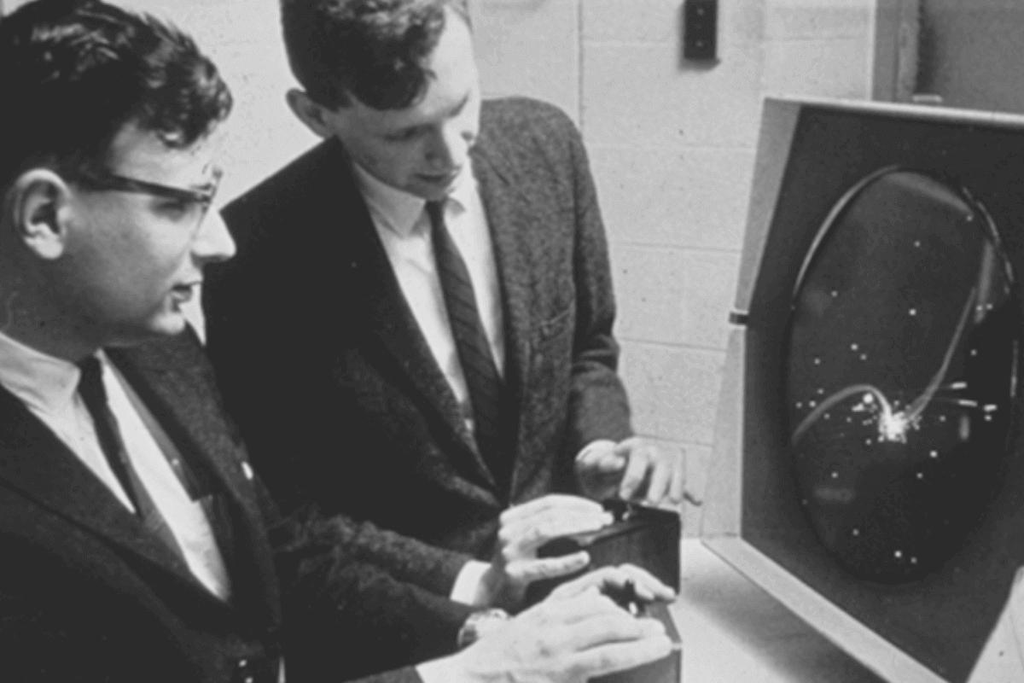
And this is where the story becomes especially interesting. Higinbotham was not simply a physicist who decided one day to make a game. He had previously worked at the MIT Radiation Laboratory, worked on radar systems, and during World War II was involved with the Manhattan Project. Later, he became an active opponent of the proliferation of nuclear weapons and the first chairman of the Federation of American Scientists.
That makes the appearance of Tennis for Two particularly symbolic: a person who had worked on technologies of the wartime era created a device that simply allowed two people to play tennis on a screen.
The idea emerged after Higinbotham looked through the manual for an analog computer. It contained examples of calculating the trajectories of bullets, rockets, and balls while accounting for gravity and air resistance. The trajectory of a ball reminded him of tennis — and Tennis for Two was born.
In 1962, an MIT team led by Steve Russell created Spacewar! for the PDP-1. Unlike many earlier experiments, this was already a genuine competition between two people: each controlled their own spaceship. The game began spreading between universities and became one of the early examples of a computer game passed from one research environment to another.
It would be incorrect to unconditionally call any one of these developments “the first video game.” It all depends on the definition: an electronic device, a software game, an on-screen image, or a commercial product. But something else is more important: the game became a way to introduce people to machines without requiring them to understand how they worked internally.
The computer gradually stopped being exclusively a tool for specialists. Interactivity created a sense of control and accessibility, and this principle later influenced the design of a huge number of digital products.
Spacewar! and Pong were based on a very old human motivation — competition. Their rules could be understood without lengthy instructions: there is an opponent, there is a goal, there is an outcome, and there is an opportunity to try again. A competitive game can very quickly create a shared situation even between two strangers.
This was not a coincidence. Long before computers, people played sports and board games, competed for victory, set records, and watched other people perform. Therefore, the computer did not have to invent the model from scratch — it received a ready-made human system of rules that only needed to be transferred into a digital environment.
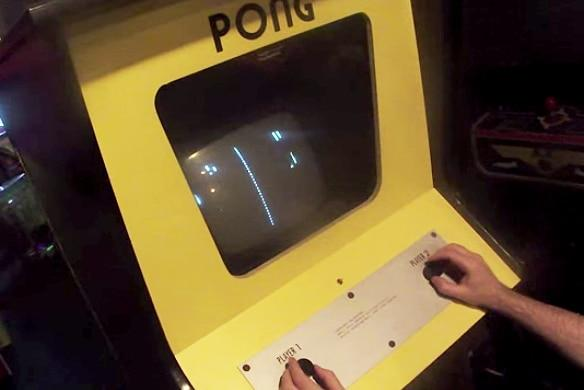
That is why sports appear so often in the early history of video games. Tennis for Two literally recreated tennis. Pong turned it into a simple electronic duel. Later, sports simulators began recreating entire sports with teams, tournaments, and rules.
At the same time, games took another path. Pac-Man and Tetris showed that enjoyment could come not from direct competition, but from learning patterns, solving problems, and gradually improving one’s own skills.
In SimCity, there is no single victory screen at all. The player observes the consequences of their decisions and learns to manage a complex system. Minecraft transformed gaming into a kind of digital space for creativity and collaborative building.
Therefore, genres cannot be rigidly tied to certain “personality types.” One person may want to compete in the evening and calmly build a city in the morning. Motivations depend on age, experience, circumstances, and social environment. Games simply offer different forms of autonomy, mastery, and connection with other people.
In 1972, Allan Alcorn created Pong at Atari at the request of Nolan Bushnell. The story of the arcade machine that quickly filled with coins became a symbol of how quickly a simple gaming interface could attract a wide audience.
Around the same time, Ralph Baer and his team helped bring video games into the living room with the Magnavox Odyssey. From then on, gaming was no longer exclusively a laboratory experiment or an arcade machine in a public place — it could appear in someone’s own home.
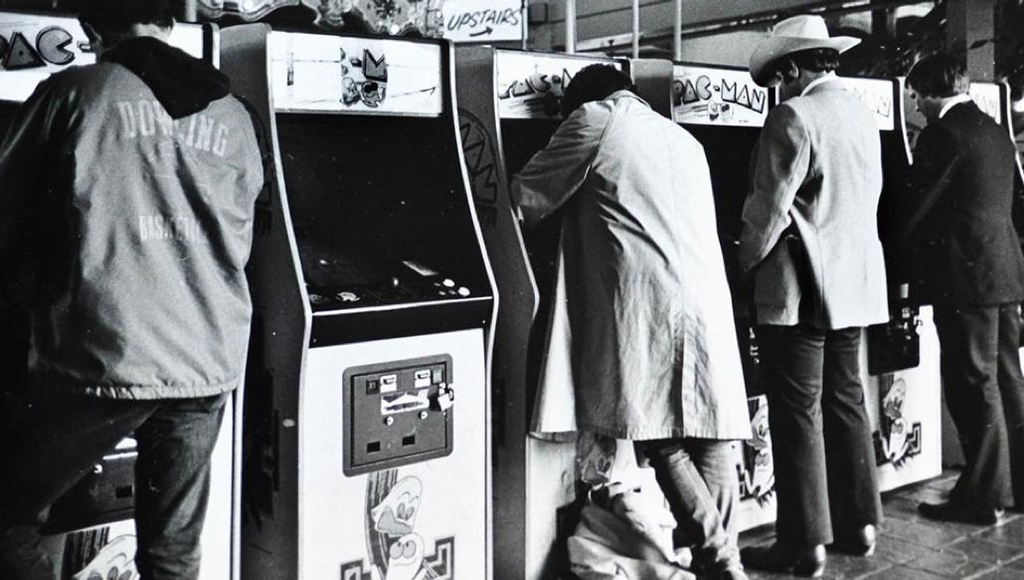
In 1978, Tomohiro Nishikado created Space Invaders, one of the most important arcade games of its time. In 1980, Toru Iwatani introduced Pac-Man, replacing yet another space confrontation with a colorful character, a maze, food, and pursuit. Iwatani said that he wanted to make arcade games more appealing to a broader audience.
These decisions showed that design affects not only how convenient a game is to play, but also the makeup of its audience. If a game assumes that a “real gamer” is a person of a certain gender, age, or skill level, it narrows its own community. Ease of entry and friendly aesthetics, on the other hand, can broaden participation.
In 1984, Soviet programmer Alexey Pajitnov created Tetris, inspired by puzzles involving geometric shapes. He worked at the Academy of Sciences in Moscow and developed the first version of the game on the Electronika 60 computer. The name Tetris comes from the Greek word “tetra,” associated with the four squares of the pieces, and the word “tennis” — Pajitnov’s favorite sport.
The game quickly began spreading far beyond its original development environment. But this created a problem that may seem almost unbelievable today: Pajitnov created a game that became a global hit, but initially did not control its commercial rights in the way an independent developer would in today’s private industry.
In the Soviet Union, the rules governing software and its commercial use were significantly different from the Western model. Tetris began spreading abroad, and with that came genuine confusion over who had the right to publish the game on different platforms.
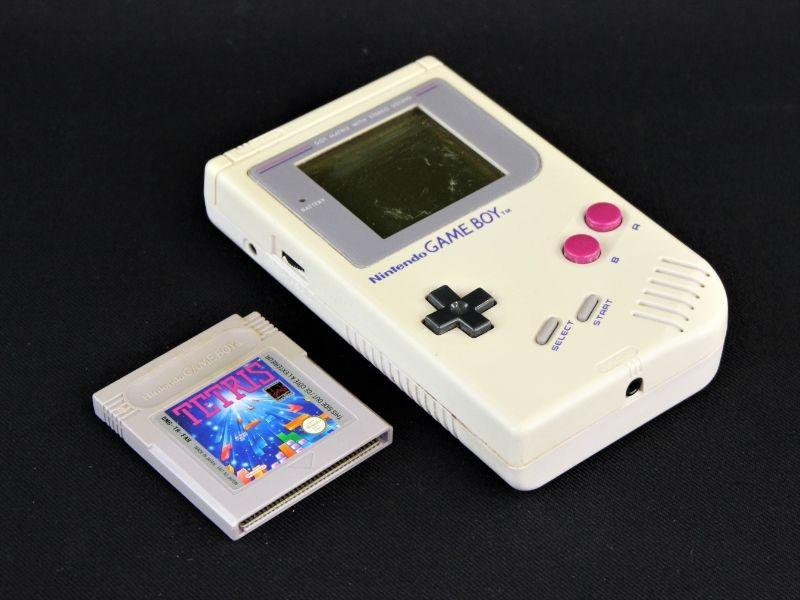
At one point, the story of obtaining the rights to Tetris became no less fascinating than the game itself. In 1988, Japanese publisher Henk Rogers saw Tetris at an exhibition in Las Vegas and realized how much potential the game had. The following year, he traveled to Moscow to negotiate the rights to Tetris for the Game Boy.
The problem was that he was not simply negotiating with the game’s creator. Soviet government organizations were involved in the process, and the rights depended on the platform and territory in question. Rogers effectively found himself in a situation where he had to figure out who owned the rights, who could transfer them, and exactly what rights could be obtained.
In the end, Rogers obtained the rights to the handheld version of Tetris and transferred them to Nintendo. In 1989, Tetris became a game bundled with the Game Boy, and Nintendo’s handheld console gained one of the most recognizable symbols in its history. According to the official history of Tetris, the Game Boy version sold more than 35 million copies.
Pajitnov himself did not immediately receive the full economic benefit from the popularity of his game. Only after moving to the United States and establishing business structures around Tetris together with Rogers did the situation change. In 1996, they founded The Tetris Company, which became the exclusive source of licenses for the brand.
Therefore, Tetris is not simply the story of one person creating a puzzle game. It is an example of how copyright can work completely differently under different political and economic systems, and how the path from creating a game to controlling its global use can sometimes turn into a real quest.
It is no surprise that this story later became the basis for a separate dramatic film adaptation: the official description of the film Tetris presents Rogers’ negotiations in the Soviet Union as an incredible story of a struggle for the global rights to the game.
In 1985, Super Mario Bros. helped establish the idea of a game as a journey through a sequential world with a recognizable hero. In 1989, SimCity offered players the ability to build and rebuild a city while observing the consequences of their decisions. In 1993, Doom became an important milestone for first-person shooters, modifications, and network gaming.
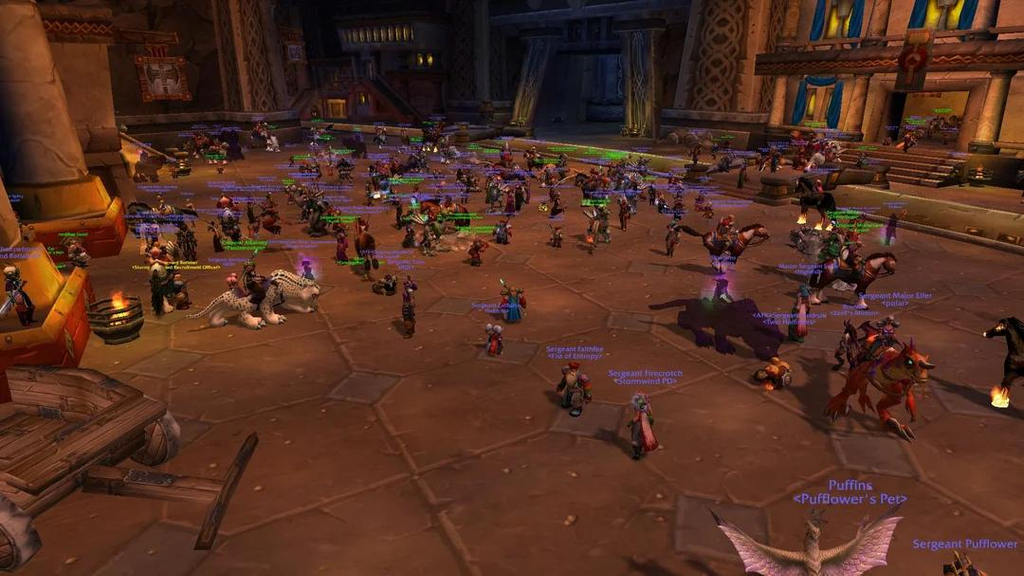
Pokémon Red and Green in 1996 made trading creatures part of the gaming experience. Interaction with another person became not an addition, but an important element of the game’s very structure.
Counter-Strike, which grew out of a Half-Life modification created by Minh Le and Jess Cliffe, later became a foundation of the culture of team-based tactical matches.
Later, The Sims, World of Warcraft, and Minecraft offered new roles. The player could be not only a winner, but also a builder, organizer, explorer, or member of a community.
The virtual environment became a place where people could try different forms of self-expression and receive recognition for skills that were not always visible at school or at work.
Behind every major game was a person or team with their own motivations.
William Higinbotham created Tennis for Two as a way to make a science exhibition more interesting for visitors. His story is particularly telling: a physicist who worked with radar systems and was involved in the Manhattan Project created one of the most important foundations for the future entertainment industry.

Steve Russell and his colleagues created Spacewar! while exploring the capabilities of the PDP-1. The game became one of the earliest examples of how a computer could be transformed into a space for competition.
Ralph Baer helped bring interactive games to television and effectively contributed to the emergence of the home console market. Allan Alcorn created Pong, which became one of the symbols of the arcade era.
Tomohiro Nishikado turned space shooting into an international arcade phenomenon with Space Invaders. Toru Iwatani showed that the main character of a game did not have to be a soldier or a spaceship, but could instead be a simple and recognizable character.
Alexey Pajitnov created Tetris out of his love for puzzles, and his story demonstrated how complicated the path from creating a game to controlling its commercial rights could be.
Shigeru Miyamoto and Nintendo turned Mario and Zelda into some of the most recognizable game universes. Will Wright, through SimCity and The Sims, offered players the opportunity to experiment with systems and models of everyday life.
John Carmack and John Romero, together with other developers at id Software, changed the perception of shooters, modifications, and network gaming.
Satoshi Tajiri and the Game Freak team made collecting and trading the foundation of a massive social and multimedia franchise.
Minh Le and Jess Cliffe demonstrated that a modification created by enthusiasts could become the foundation of professional esports.
And Markus Persson created Minecraft — a game where the main goal for millions of people was not to win, but to build, explore, and create their own worlds.
Friendship no longer required people to share the same geography. Guilds, servers, and teams allowed people from different cities and countries to meet. But the quality of these relationships does not depend on the platform itself: communication can support a person, but it can also involve bullying and isolation.
Attitudes toward failure also changed. In many games, defeat is part of a learning cycle: an attempt, feedback, a new strategy. The player loses, analyzes the situation, and tries again.

New forms of status emerged. Gaming skill, ranking, community leadership, and the ability to create content became independent grounds for recognition.
New professions appeared alongside them: player, coach, analyst, commentator, virtual-world designer, and community moderator. Over time, these roles formed professional esports.
The culture of collaboration also changed. Online games require players to distribute roles, explain decisions, and negotiate. This is why modern esports resembles traditional team sports in many respects: there are rules, roles, training, an opponent, spectators, refereeing, and a shared goal.
At the same time, these same conditions can intensify pressure, conflicts, and accusations. The gaming environment itself is neither a school of kindness nor a source of aggression — much depends on rules, incentives, moderation, and participants’ behavior.
Games have also become part of mass culture. Music, visual language, memes, film adaptations, collectibles, and streaming now exist within the same media space.
The boundary between “player” and “viewer” has blurred. Millions of people can watch matches without ever entering a server or participating in tournaments themselves.
In arcades, success was measured by a high score. In role-playing games, by character development. In a team shooter, by the victory of a group that requires coordination.
Games offered visible measures of skill and regular feedback that are sometimes lacking in everyday life. A player almost always understands what they did right, where they made a mistake, and what they can try next time.
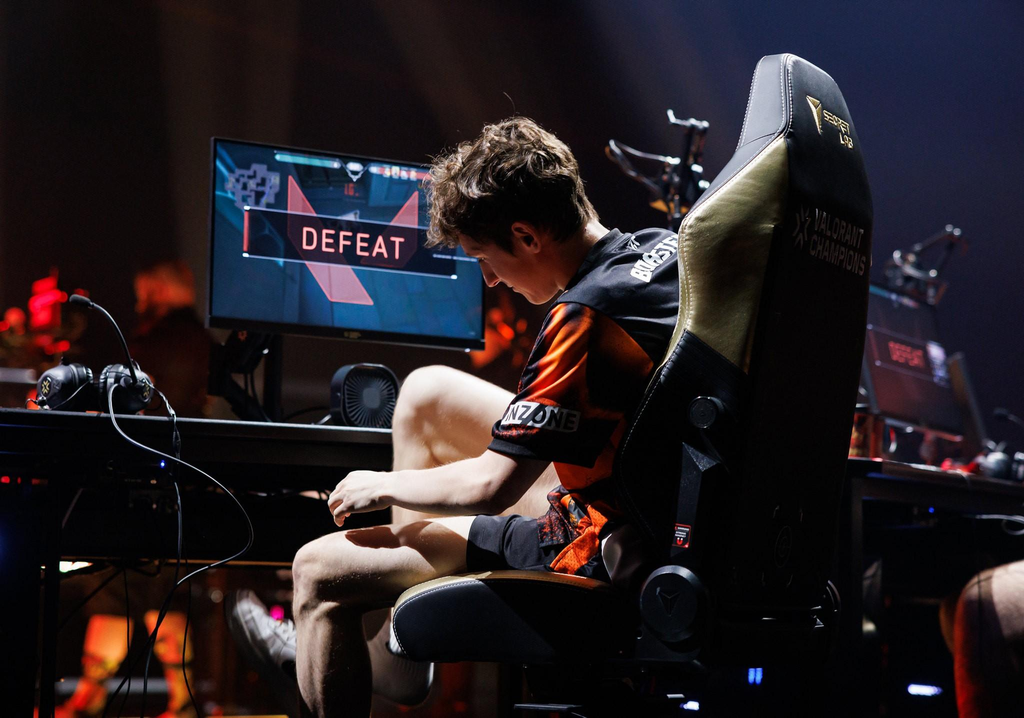
But when ranking becomes the only measure of value, defeat can be perceived as personal failure. It is especially important for young players to distinguish between the result of a match and self-esteem.
Professional esports adds the pressure of audiences, contracts, public criticism, and team expectations.
A healthy gaming culture recognizes two things at the same time: the desire to win is natural, but respect for an opponent and one’s own boundaries should not depend on the score.
There is no universal answer.
For one person, a game is a form of relaxation and friendship; for another, creativity or competitive sport; for a third, a source of conflict or disrupted routines.
Therefore, the impact of games should be assessed not only by the number of hours spent playing, but also by the consequences: whether the person remains in control of their gaming and whether sleep, education, work, relationships, and everyday life are affected.
The World Health Organization included gaming disorder in the ICD-11. This does not mean that an interest in games or a long gaming session is itself a diagnosis. It refers to persistent impaired control over gaming and continuing to play despite significant negative consequences.
The connection between video games and aggression should also be discussed carefully. Studies differ in their methods, samples, and conclusions, so reducing the issue to the claim that “games make people violent” or that “games never affect behavior” would be incorrect.
Higinbotham was not creating an attention-retention industry. The creators of Spacewar! were not building a global esports league. The authors of early arcade games could not have imagined streaming, microtransactions, and communities operating around the clock.
But commercialization gave the industry resources, technology, and professional careers. At the same time, incentives emerged to keep users engaged for as long as possible, sell virtual items, and turn attention into a source of revenue.

This created new questions about design ethics, the protection of minors, the transparency of random rewards, and the responsibility of platforms.
It is important not to romanticize the past: commercial interests accompanied games as far back as the era of arcade machines. The difference lies primarily in the scale, precision of analytics, and ability of digital services to adapt to an individual person’s behavior.
Developers are responsible for mechanics, accessibility, interaction rules, and safety tools. Tournament organizers are responsible for fair regulations, prize payments, respect for participants, and transparent officiating.
Players are responsible for their own behavior. Parents and educators are responsible for communicating with children without demonizing their interests.
Responsibility is shared among everyone. It cannot be placed entirely on a child, player, studio, or school. The more games become a social space, the more important standards of behavior, protection mechanisms, and the opportunity for different people to participate become.
The first developers gave people the ability to control a point on a screen. Their successors created entire universes.
But in reality, they did not invent the human need for victory, recognition, freedom, or belonging to a community. All of these existed long before computers. Olympic competitions, sports arenas, board games, puzzles, and various forms of entertainment had spent centuries creating rules through which people could compete, cooperate, and simply watch others.
The computer did something else: it learned to contain these models inside a machine.
Tennis for Two turned tennis into an electronic confrontation. Pong simplified it to two paddles and a ball. Spacewar! moved the duel into space. Tetris turned a puzzle into a universal digital language. Counter-Strike made team tactics the foundation of future esports. Minecraft showed that a game does not need to have a traditional victory condition at all, but can become a space for creativity.
That is why the history of computer games is not simply the history of technology. It is the history of how old human models of competition, cooperation, creativity, and self-expression acquired a new form.
Only a few decades passed from a laboratory oscilloscope to stadiums filled with tens of thousands of spectators. Humanity taught computers to play — and in return, computers created a new space for humanity, where play became culture.
As a reminder, Professional Losers. Why Do Some People Never Give Up Even After Hundreds of Defeats?


