On October 27, 2009, Riot Games officially released League of Legends — a free-to-play MOBA for PC that would eventually become one of the most influential video games in history. Today, League of Legends is associated not only with matches on Summoner's Rift, champions, and a massive player community, but also with professional leagues, the World Championship, music, animated series, and an entire industry built around the game.
However, in 2009, Riot Games was still a small studio, and League of Legends looked like a risky experiment. Its creators took inspiration from the popular Defense of the Ancients mod for Warcraft III and attempted to turn its ideas into a fully independent game. This approach would eventually transform not only the MOBA genre but also the way people understood what a modern esports game could be.
The story of League of Legends began before Riot Games itself was established. In the mid-2000s, Defense of the Ancients, or DotA, became one of the most popular mods for Warcraft III. Unlike Blizzard's traditional strategy game, DotA had players control a single hero, develop that character during a match, and work with their team to destroy the opponent's main structure.
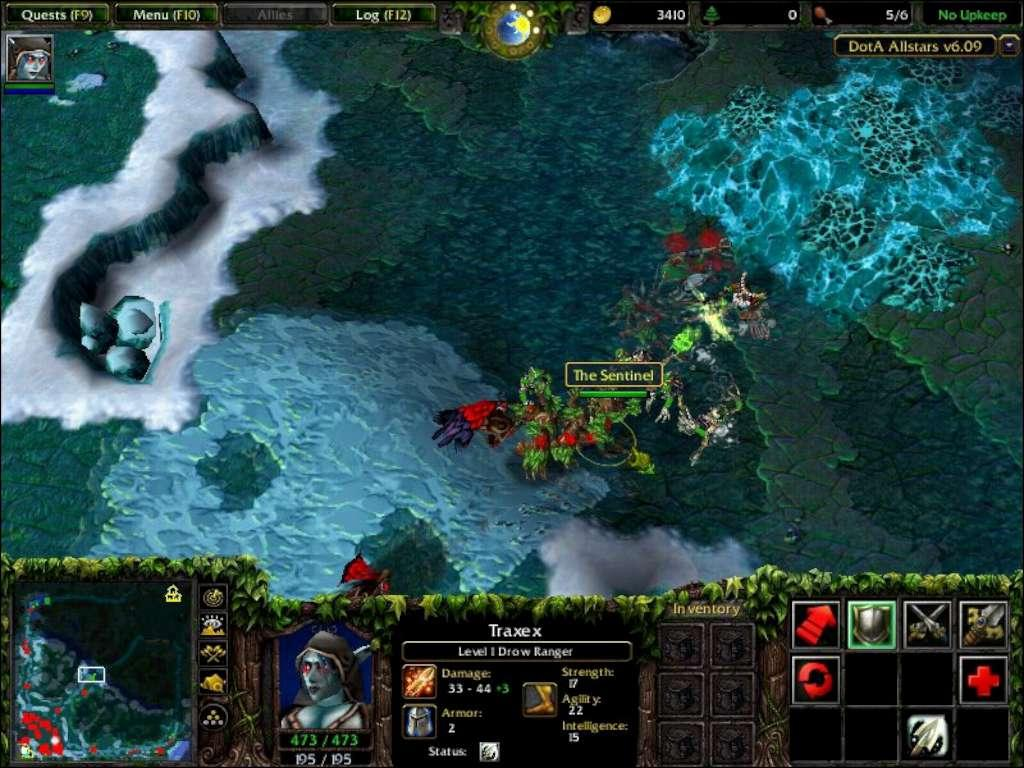
The mod was developed by the community, with its evolution driven by constant updates and new versions. One of the key developers of DotA Allstars was Steve "Guinsoo" Feak, while Steve "Pendragon" Mescon played an important role in supporting the community. Both would later become involved in the creation of League of Legends.
Riot Games founders Brandon Beck and Marc Merrill were major fans of DotA. They saw the mod as more than just a popular Warcraft III map — they believed it could serve as the foundation for a new genre. Their idea was to remove the game's dependence on Warcraft III, create a standalone title, and continuously develop it after release.
In 2006, Beck and Merrill founded Riot Games. From the beginning, the company wanted to move away from the traditional model of releasing a game, selling it, and then moving on to the next project. Instead, Riot wanted to create a game that could be continuously updated and developed alongside its community. League of Legends became the studio's first major project.
Creating League of Legends proved to be much more complicated than simply turning DotA into a standalone game. Riot had to develop its own technology, character system, map, items, server infrastructure, and a business model built around continuous updates.
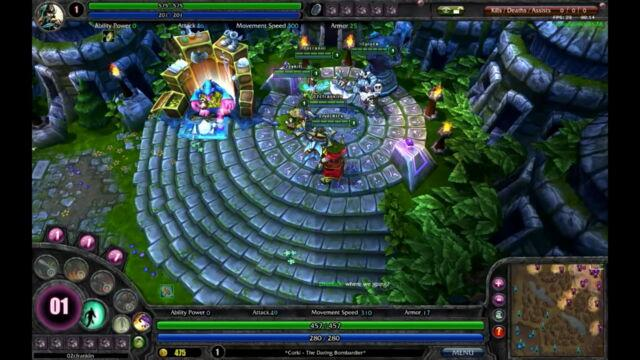
An early prototype was demonstrated in 2007. At the time, Riot was trying to convince investors and publishers that a game without a traditional boxed release could become a successful business. This was not an easy task: the free-to-play model was still relatively unfamiliar in the Western PC market, while publishers were much more comfortable with traditional paid releases.
In 2008, Riot officially revealed League of Legends. The game was initially announced with the subtitle Clash of Fates, although Riot eventually dropped it before the full release.
Closed beta testing began in 2009, and the game gradually changed based on feedback from its first players. Riot continued expanding the roster of available champions, and the project grew considerably before launch.
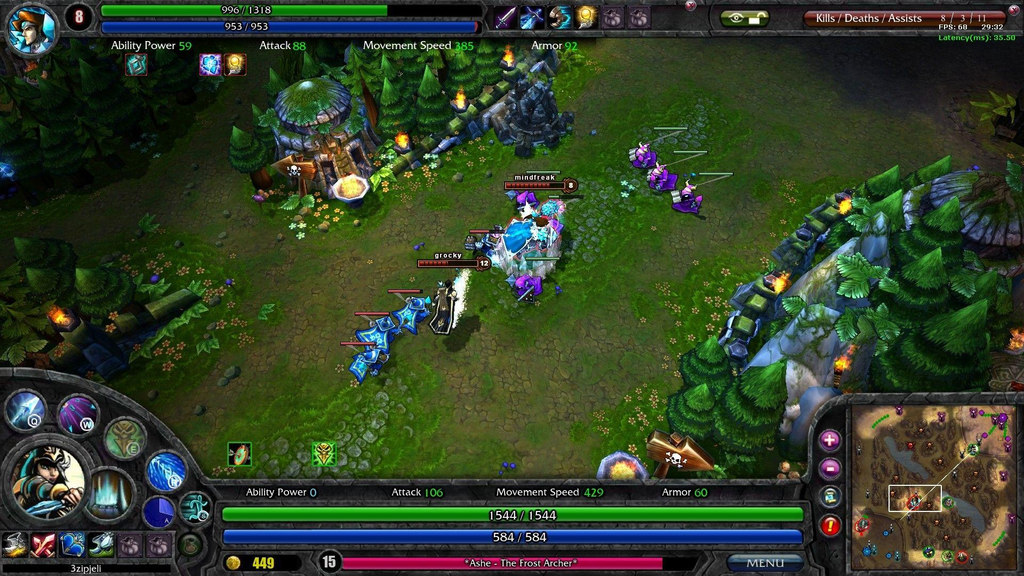
On October 27, 2009, League of Legends was released for PC. The game was available for free, while Riot generated revenue through additional content and cosmetic items. This model allowed players to try the game without a financial barrier and then decide whether they wanted to spend money within it.
One of the biggest differences between League of Legends and traditional games was its development model.
Riot did not treat the release as the final stage of development. New champions, items, balance changes, map updates, and other mechanics were introduced regularly. This allowed League of Legends to remain relevant for years while maintaining the familiar structure of a match: two teams of five players, three main lanes, a jungle between them, and one ultimate goal — destroying the enemy Nexus.
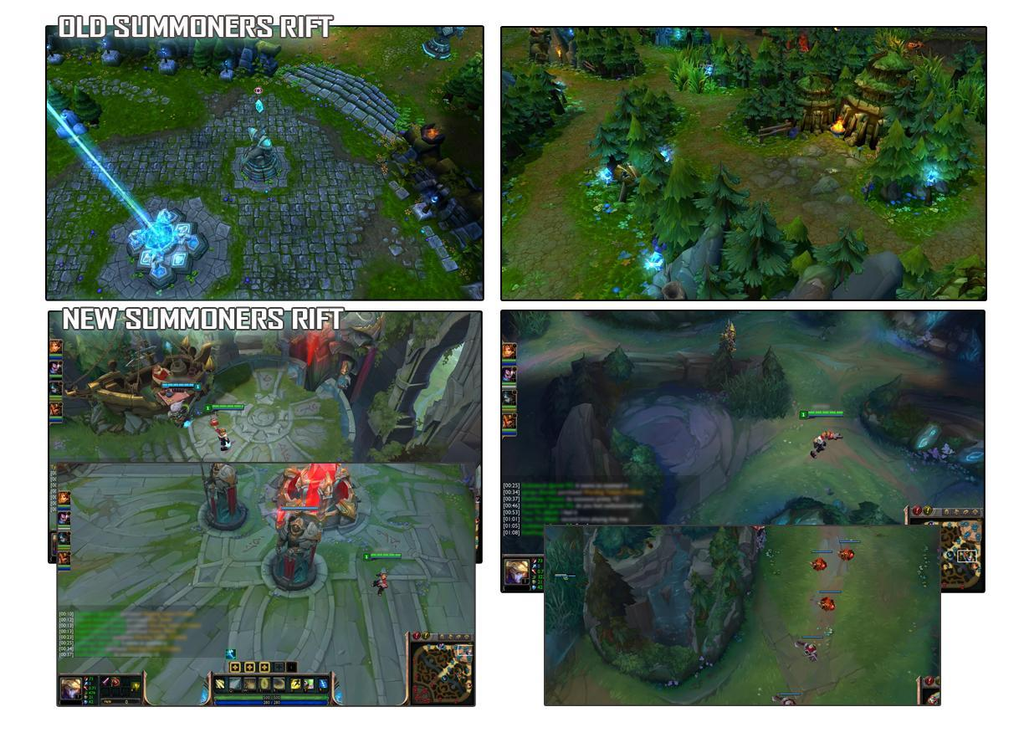
Summoner's Rift gradually became the main stage of League of Legends. It is the map used for professional matches at the highest level. Riot has significantly changed its visual design and technical aspects over the years, but its fundamental structure has remained recognizable.
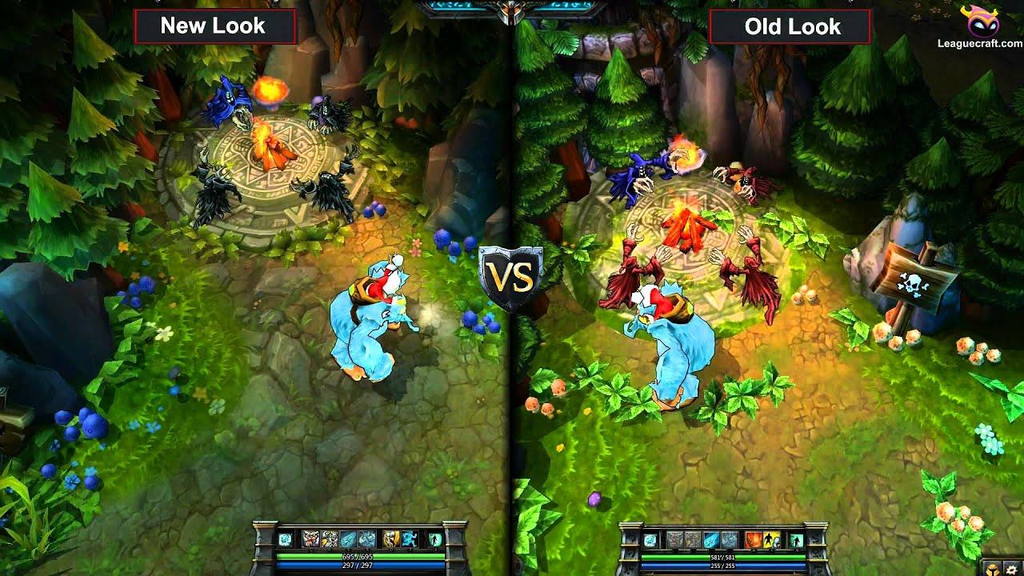
This constant evolution became one of the reasons for the game's longevity. Players did not have to wait for League of Legends 2 to receive new content. The game itself continued to change through regular updates.
Esports was never treated as a secondary phenomenon by Riot. The company gradually realized that the competitive nature of League of Legends could become the foundation of an entire professional sporting system.
The first World Championship took place in 2011 at DreamHack in Sweden. Eight teams participated, with European team Fnatic becoming the first world champion. The event demonstrated that League of Legends could attract a substantial audience as a competitive game.
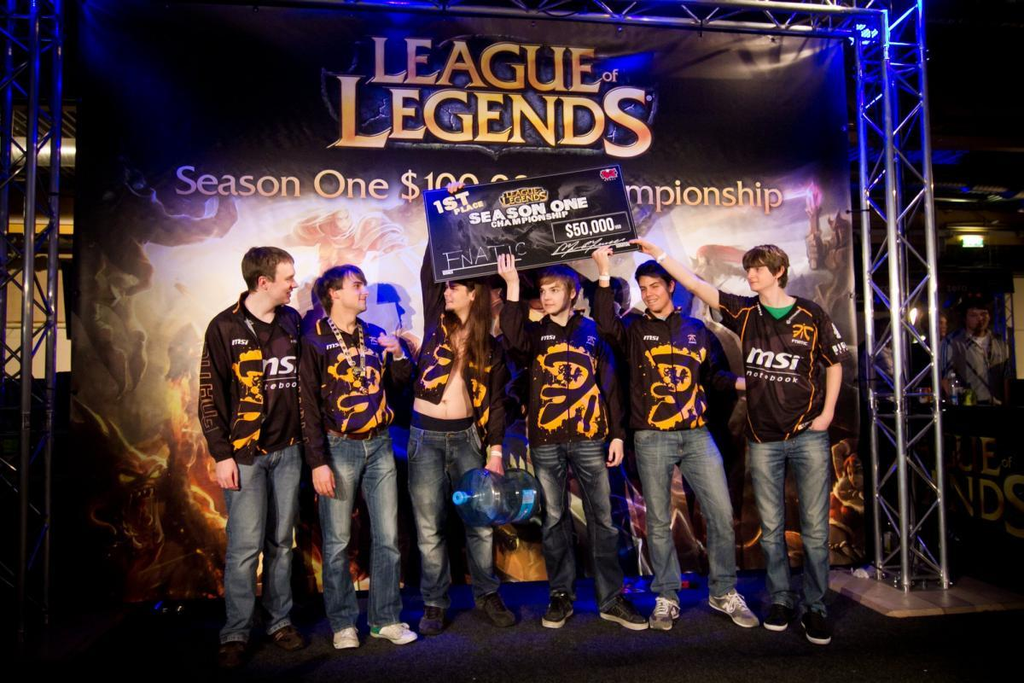
For modern esports, those numbers may look small, but at the time they showed Riot something important: League of Legends could be more than a popular game. It could become a professional sport.
In 2012, Riot announced plans to establish its own professional leagues, and in 2013 the LCS in North America and Europe began. Alongside the development of regional competitions, Riot created a system in which teams competed throughout the season, with the best eventually earning the opportunity to play on the international stage.
This was where League of Legends began to differ from many other esports disciplines. Riot was not simply organizing individual tournaments — it was building an entire professional ecosystem around the game.
Since 2011, the World Championship has served as the annual climax of the League of Legends competitive season. The best teams from different regions receive the opportunity to compete against each other and determine the world champion.
Over time, Worlds became a major sports and entertainment event. Finals were held in huge arenas and stadiums, while opening ceremonies increasingly combined esports with music, technology, and entertainment.
Riot also created its own culture around Worlds. The company released themed songs, music videos, in-game content, and other projects connected to the tournament. In 2018, the virtual group K/DA and its opening-ceremony performance became one of the clearest examples of how far League of Legends had expanded beyond the boundaries of a traditional video game. Riot's own esports materials describe the Worlds opening ceremonies as a combination of sports entertainment, technology, storytelling, music, and League of Legends IP.
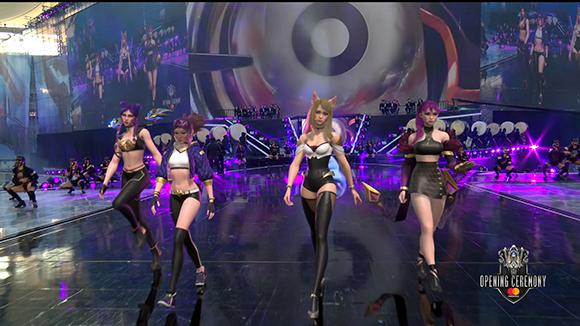
As a result, League of Legends esports began operating in many ways like traditional sports: regular seasons, regional leagues, international competitions, professional teams, players, transfers, fans, and a major annual championship.
Despite becoming a standalone game, League of Legends has always been connected to DotA. That history inevitably led to competition with another game that grew out of the same community.
During the 2010s, League of Legends and Dota 2 became the two leading representatives of the MOBA genre. Valve brought one of the key developers of the original DotA, known as IceFrog, onto Dota 2, while the game maintained a much closer connection to the original mod.
League took a different path. Riot focused on accessibility, regular updates, a large champion roster, a centralized esports system, and a broader ecosystem built around the game.
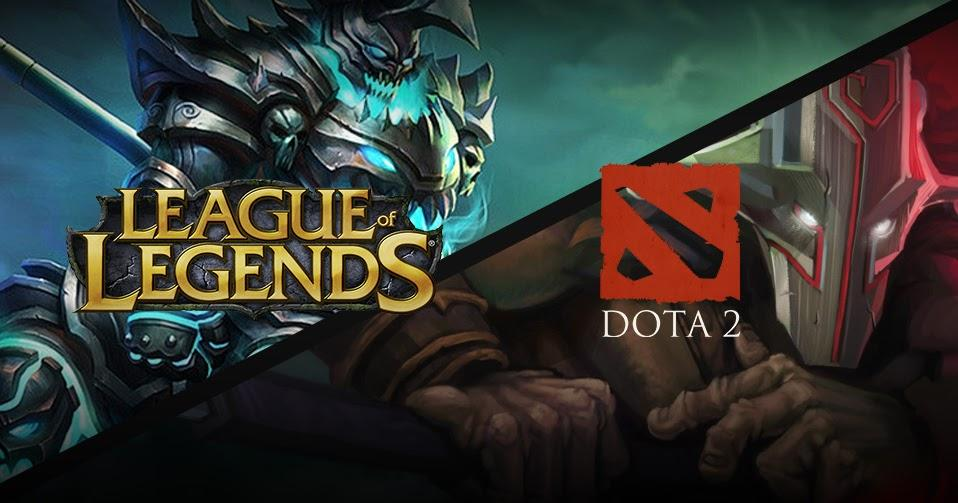
Dota 2, meanwhile, attracted enormous attention through The International and its famous prize pools, which were heavily supported by in-game sales. The first International in 2011 immediately attracted attention with a then-record prize pool of $1 million.
The competition between League of Legends and Dota 2 was therefore more than a battle between two games. It represented two different approaches to the same genre.
League focused on a professionally structured ecosystem controlled and developed by Riot. Dota 2 demonstrated a different model built around Valve, its community, and The International as the centerpiece of the competitive calendar.
The two games nevertheless influenced the wider MOBA genre and were constantly compared by players and fans — from gameplay mechanics and heroes to balance, esports, and monetization. Their rivalry helped keep MOBA games among the most important PC gaming genres throughout the 2010s.
The most important influence of League of Legends was not a particular mechanic or champion. Riot changed the very idea of how a professional video game could operate.
Before League of Legends, esports often depended heavily on third-party tournament organizers. Developers created games, while other organizations built competitions around them.
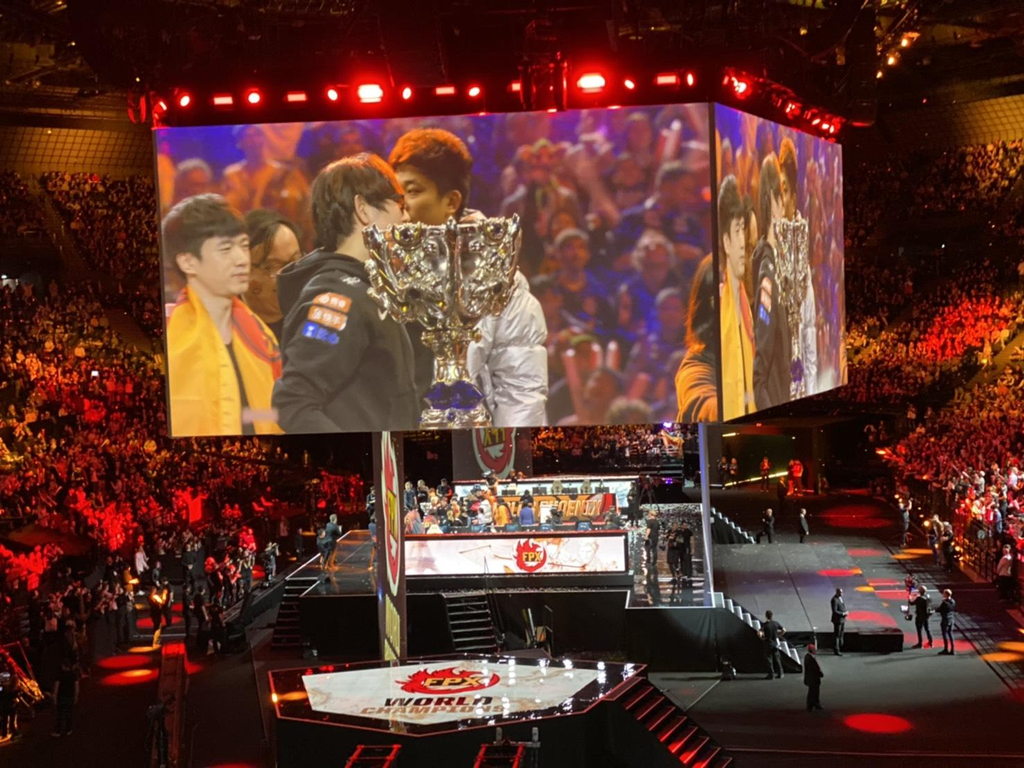
Riot took a different approach and began building the system itself: professional leagues, regular schedules, regional competitions, broadcasts, team brands, and a global championship. This approach became a model for other publishers.
That is why League of Legends is often considered one of the major forces behind the professionalization of esports. Riot turned competition around a video game into a long-term ecosystem in which players could build careers, teams could develop brands, and fans could follow the game throughout the entire year.
By 2019, the scale of Worlds had reached levels that esports had rarely seen before. Riot reported that the 2019 World Championship Finals reached 21.8 million average-minute audience and 44 million peak concurrent viewers.
Over time, League of Legends became much more than a game. The world of Runeterra expanded through comics, music, short-form content, and other media.
The biggest example was the animated series Arcane, which demonstrated that League of Legends characters could work successfully outside the game itself. Riot gradually transformed the game into a broader multimedia franchise.
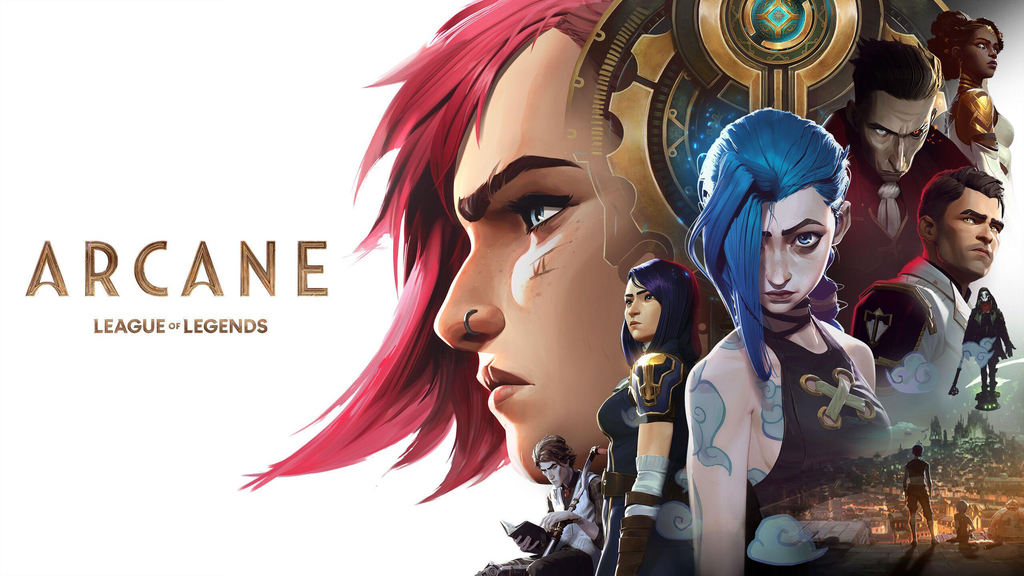
This approach also changed the way players viewed League's champions. They were no longer simply collections of abilities used during matches. They gained personalities, stories, music, and their own fan communities.
In 2019, Riot announced several new projects, including Teamfight Tactics and Legends of Runeterra, while also revealing the FPS that would eventually become VALORANT. This demonstrated that League of Legends had become the foundation for a much larger Riot Games ecosystem. Riot's current portfolio includes League of Legends, VALORANT, Teamfight Tactics, Wild Rift, Legends of Runeterra, 2XKO, and other projects.
In the years following its release, League of Legends became one of the clearest examples of how a game can evolve for more than a decade without requiring a traditional sequel.
Its influence can be seen throughout the modern MOBA genre: from champion-based gameplay and continuous updates to the free-to-play model and the close connection between the game and esports.
But League of Legends' greatest legacy is its competitive ecosystem. Riot demonstrated that esports could be built not simply around individual tournaments, but as a complete global system.
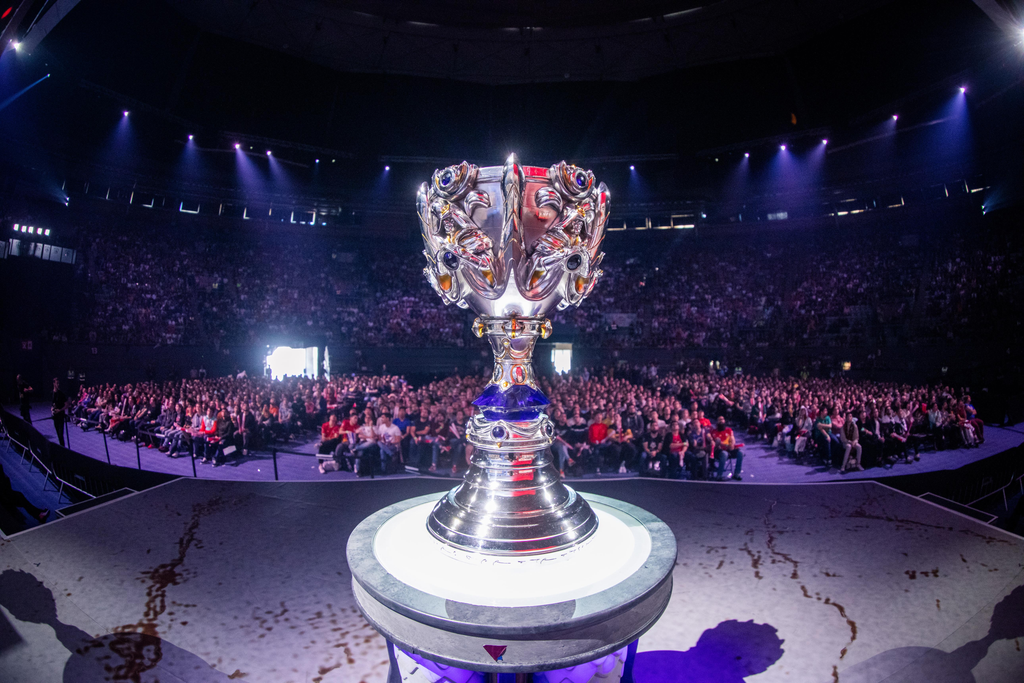
On October 27, 2009, League of Legends was simply a new game from a small studio that wanted to transform an idea inspired by a Warcraft III mod into a standalone project. Today, it is one of the world's leading esports disciplines and an example of how far a game can go when it continues to evolve alongside its community.
The history of League of Legends is not only the story of Riot Games. It is also the story of the transition from mods and amateur tournaments to global esports, where a video game became a competition, an entertainment product, a multimedia franchise, and a part of popular culture.
As a reminder, Grand Theft Auto: San Andreas — how Rockstar created a scale never seen before in GTA.


