On September 15, 2009, Electronic Arts released Need for Speed: Shift — the thirteenth entry in the legendary racing series. At that point, the franchise was already going through a period of active experimentation, but Shift became perhaps one of the most radical ones. Instead of night streets, tuning, police chases, and story-driven crime plots, players were offered professional tracks, licensed cars, and a significantly greater emphasis on realism. For Need for Speed, this was a risky move, as the series was primarily associated with arcade racing; however, it was precisely this experiment that made Shift one of the most unusual entries in the franchise.
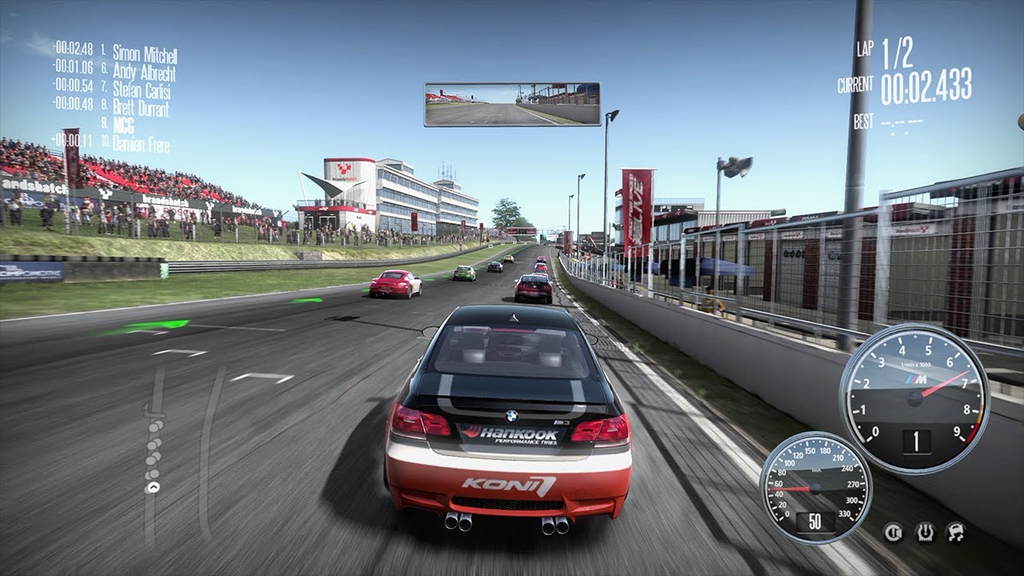
In the late 2000s, Need for Speed was going through a difficult period. Following the massive success of Underground, Underground 2, and Most Wanted, EA was trying to figure out which direction the series should move in next. Carbon brought players back to night street racing, ProStreet unexpectedly moved the franchise to professional tracks, and Undercover once again focused on street racing, police chases, and storyline. Such a constant change of formula showed that EA was searching for a new path for the franchise.
It was during this period that the company decided to split Need for Speed into several directions and turn its attention to an audience that wanted more serious racing. To create Shift, they invited the British developer Slightly Mad Studios, whose team already had experience working on racing projects. The developers were set a challenging task: to make a Need for Speed game that could compete not only with arcade racers, but also with series like Gran Turismo and Forza Motorsport. As a result, only the Need for Speed name itself remained from the familiar formula, while the approach to racing changed almost completely.
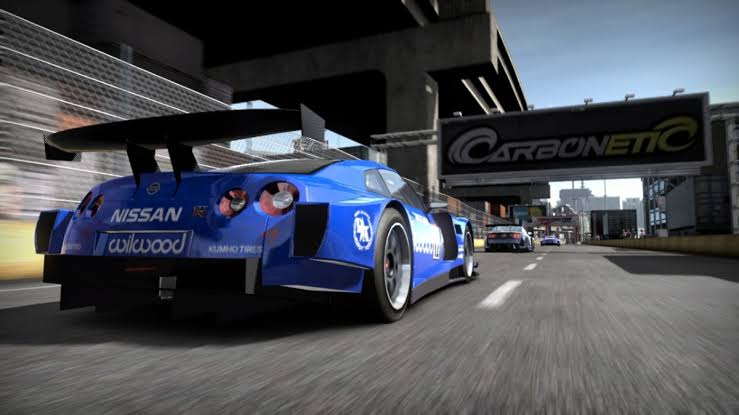
The main idea behind Shift was the desire to showcase racing not just as fast driving along a track, but as the experience of the driver themselves. The developers paid immense attention to the first-person camera, which reacted to acceleration, braking, collisions, and the vehicle's behavior. During severe crashes, the vision could blur and the camera could shake, creating a sense of physical impact. For a series that was previously largely built around spectacle, this was a completely different approach.
At the same time, Shift did not try to turn into a hardcore simulator where every mistake is punished as harshly as possible. The game remained accessible to the average player, but simultaneously offered significantly more serious physics and car handling dynamics. An important part was also the driver profile system, which reacted to the player's racing style. Aggressive driving, overtaking, risky maneuvers, and other actions affected progress, essentially allowing players to shape their own driving style.
Another major change was abandoning the street atmosphere in favor of professional motorsport. Shift featured a large number of licensed cars from renowned manufacturers — including the Pagani Zonda F, Porsche 911 GT2, BMW M3, Nissan GT-R, and many other models. The cars differed in handling behavior, and driving them required more attention from the player than in previous installments of the series.
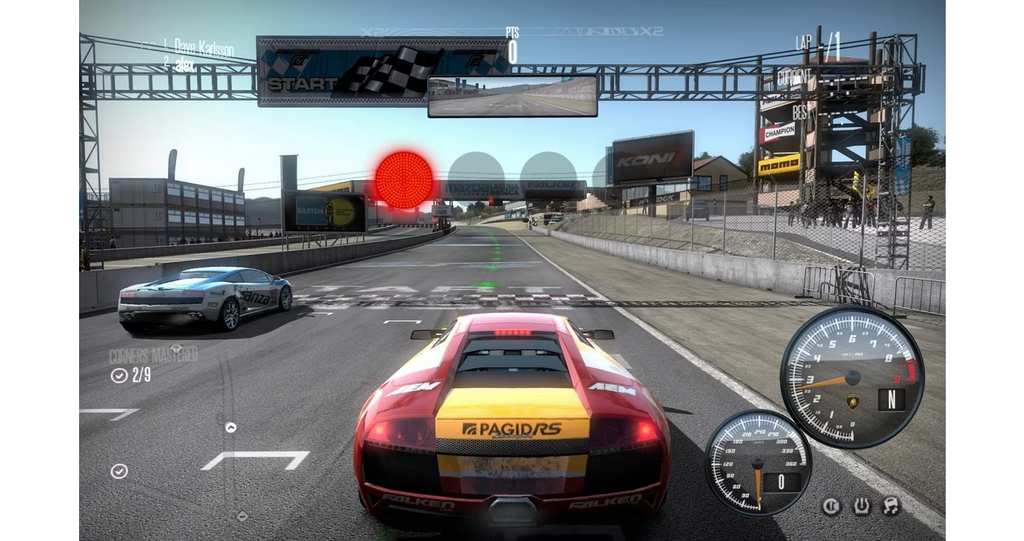
Instead of night city streets, professional racing tracks became the foundation of the game. This completely changed the impression of Need for Speed: now players were no longer running from the police or trying to defeat rivals in illegal races, but competing for track positions and earning points in a professional racing career. Thus, EA essentially created a separate branch within Need for Speed aimed at fans of more realistic racing.
Upon release, Shift received mostly positive reviews. On Metacritic, the game holds an 83/100 based on critical reviews, while the PlayStation 3 and Xbox 360 versions received 83 and 84 points, respectively. Critics were particularly receptive to the handling, the racing atmosphere, the detail of the cars, and EA's attempt to make the series more serious.
IGN gave Need for Speed: Shift a 9/10, highly praising the driving mechanics and the game's atmosphere. At the same time, reviews were not unanimous: GameSpot gave it a 7/10, pointing out certain flaws and the fact that Shift could not always fully decide between being an arcade game and a simulator. That became one of the main questions surrounding the project: for traditional Need for Speed fans, it was too serious, while for fans of full-fledged simulators, it was not realistic enough.
Despite the ambiguity, EA decided not to abandon the new direction. In 2011, Shift 2: Unleashed was released, continuing the concept of the first game and shifting even further toward a simulation. The developers continued to refine the physics, vehicle handling, and atmosphere of professional racing.

However, after that, the Shift direction effectively came to an end. EA returned Need for Speed to other concepts, while Slightly Mad Studios went its own way. In 2015, the team released Project CARS — their own racing series that was focused much more heavily on simulation. In this sense, Shift became an important milestone in the studio's development and demonstrated that its team was capable of working on large and technically complex racing projects.
Need for Speed: Shift can hardly be called the most popular game in the franchise, but its significance for the series is much more interesting than simple sales numbers. It served as proof that Need for Speed could exist as more than just an arcade game about street racing. EA attempted to show another side of car culture — professional tracks, sports cars, and the direct experience of driving itself.
The game also became a unique intersection of two worlds. On one hand, Shift remained accessible enough for casual Need for Speed fans to enjoy, while on the other hand, it used mechanics and an approach characteristic of more serious racing simulators. It was this exact feature that made it a distinct experiment that did not yield a long-lasting legacy, but left behind valuable experience.
On September 15, 2009, Need for Speed tried to become something different. Shift abandoned the franchise's familiar image and opened up an entirely different direction for it for several years. And although EA ultimately returned to arcade racing, the Shift experiment still remains one of the most unusual pages in Need for Speed history.
As a reminder, 25 years of GameCube and Luigi’s Mansion: how Nintendo tried to revive its console empire.


