On November 24, 2000, the PlayStation 2 was released in Europe — a console that would eventually become one of the most successful in video game history. Sony combined more powerful hardware for its time, huge ambitions for 3D graphics, support for games from the original PlayStation, and DVD playback. As a result, the PS2 became more than just the successor to a popular console — it was a device that helped video games fully establish themselves as mainstream entertainment.
By the time the PS2 arrived, Sony had already established itself in the console market. The original PlayStation, which debuted in Japan in 1994, became a huge success and surpassed 100 million systems shipped by 2004. North America and Europe were particularly strong markets for Sony.
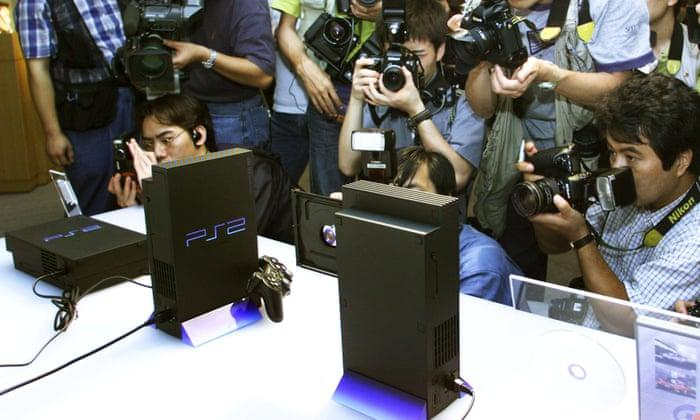
Therefore, the PlayStation 2 faced a difficult task — not only to repeat the success of its predecessor, but also to create a new standard for home consoles.
Sony presented the PlayStation 2 as a much more versatile device. The console could run games from the original PlayStation and also play DVD-Video. This was especially important in the early 2000s: DVDs were rapidly gaining popularity, while a standalone DVD player was relatively expensive. As a result, buyers were getting not only a gaming system, but also a home multimedia device.
In March 2000, the PS2 launched in Japan, followed by North America on October 26. The European release took place on November 24, 2000. This date marked the beginning of the console's European history.
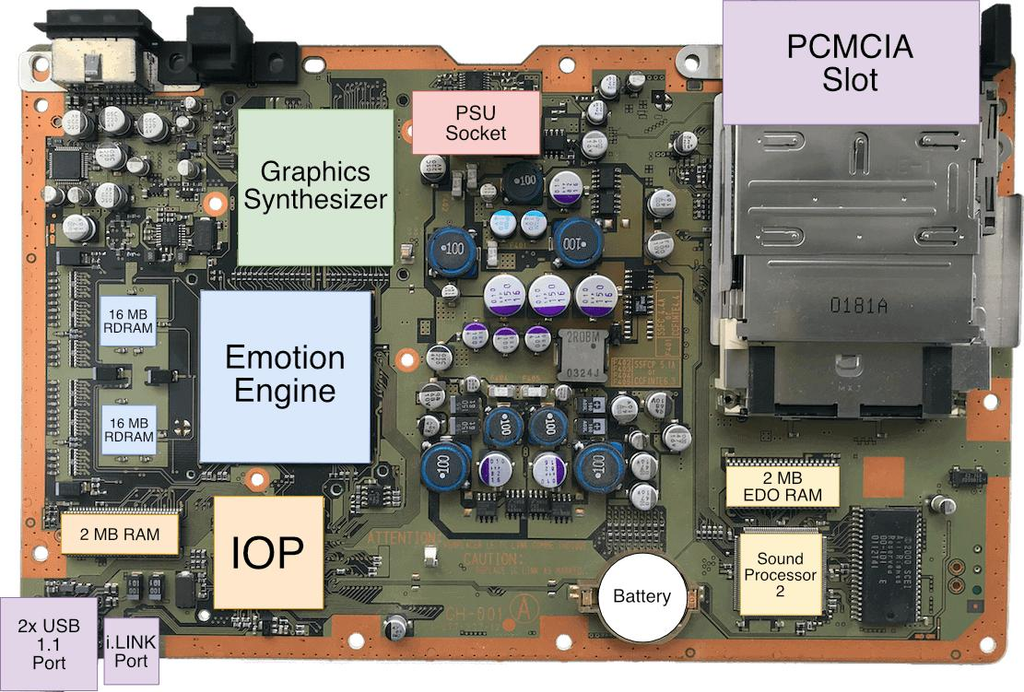
At launch, Sony focused on a technological leap. The PS2 was significantly more powerful than the original PlayStation and allowed developers to create larger 3D worlds. At the same time, backward compatibility meant that owners did not have to immediately abandon their existing library from the previous console.
This combination became one of the PS2's main advantages. Sony effectively offered buyers a console that could replace several devices at once: the original PlayStation, a DVD player, and a new gaming system.
Demand for the console grew rapidly. Within the first year after its launch, Sony reported more than 10 million PlayStation 2 systems shipped worldwide, with 2.63 million of them shipped to Europe and the PAL region.
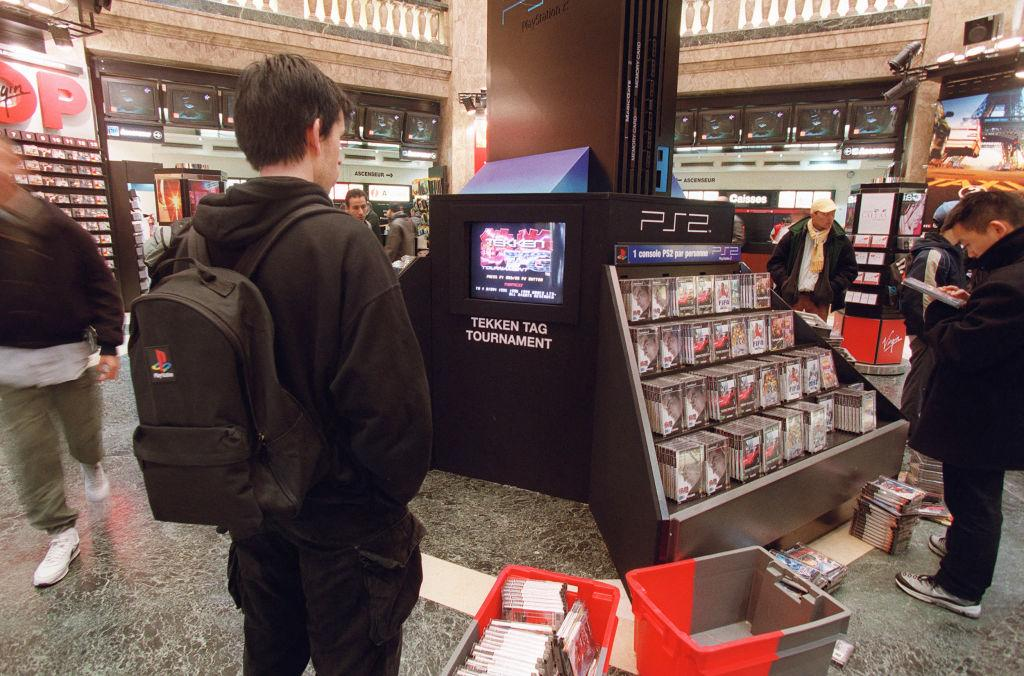
Two years after the European launch, more than 12 million PS2 systems had been shipped in the region, and by early 2003 the figure had exceeded 16 million. By January 2004, Europe and the PAL region had received 24.56 million consoles.
Europe became one of the key markets for the PlayStation 2. The console gradually established itself not only among the traditional video game audience, but also among people who saw it as a universal home entertainment device.
The main reason behind the PS2's long-term success was, of course, its games.
The console received Grand Theft Auto III, Grand Theft Auto: Vice City, Grand Theft Auto: San Andreas, Metal Gear Solid 2, Gran Turismo 3: A-Spec, Gran Turismo 4, Final Fantasy X, Kingdom Hearts, God of War, Shadow of the Colossus, Resident Evil 4, Tekken 5, and dozens of other major titles.
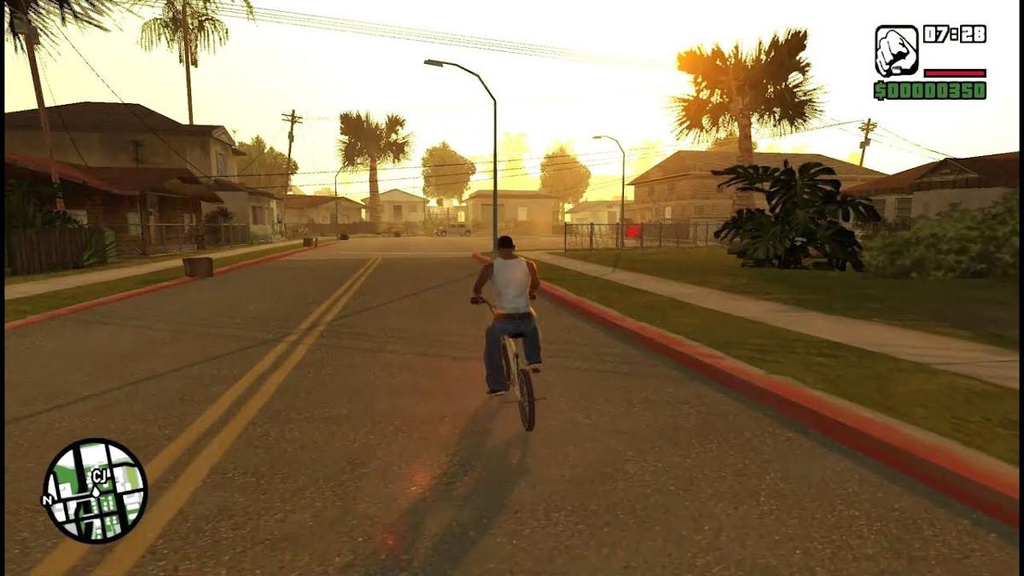
On PS2, many franchises either found new life or became global hits. The console allowed developers to work with much larger worlds, more complex graphics, and more cinematic presentation.
Sony also actively experimented with new formats. The PS2 received EyeToy, SingStar, and Buzz!, which sought to bring people into gaming who had not previously considered themselves gamers. Sony later cited such projects as examples of how the PS2 helped expand the gaming audience.
The PlayStation 2's impact extended far beyond video games.
In the early 2000s, DVDs were gradually replacing VHS, and the PS2 became one of the most affordable ways to get a DVD player together with a game console. Sony directly linked the PS2 to the development of the DVD-Video market, and the company later noted that integrating a DVD player helped make the format mainstream.
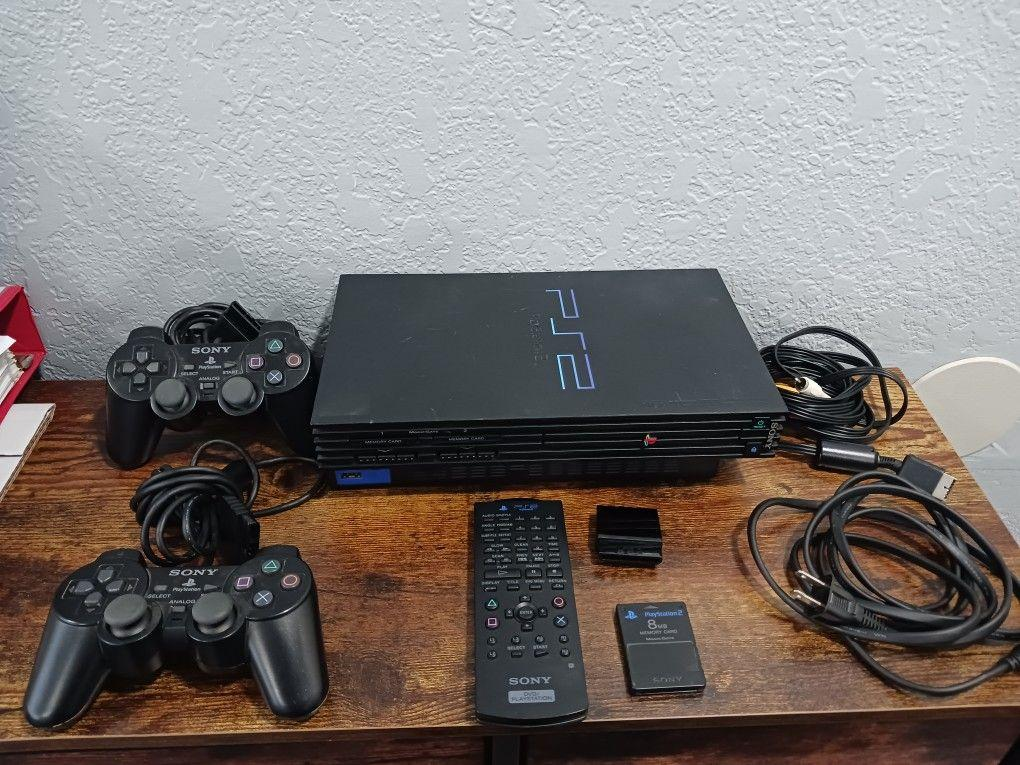
As a result, the PlayStation 2 found itself in a position where people were buying it for more than just gaming. For part of its audience, it was a universal multimedia center sitting in the living room next to the television.
Another distinctive feature of the console was its incredibly long support period.
In 2003, Sony reported more than 60 million PS2 systems shipped worldwide and more than 2,000 available games. By 2005, the number of games had exceeded 5,000, while their combined shipments surpassed 800 million copies.
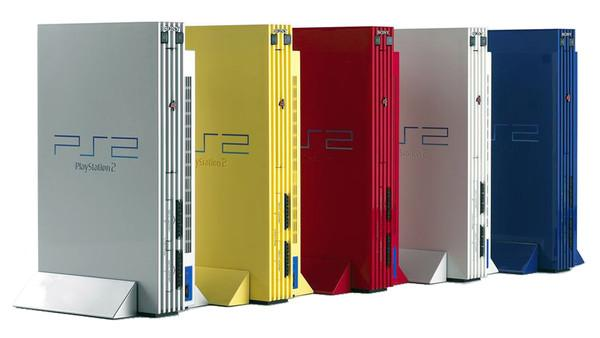
In November 2005, the PlayStation 2 surpassed the milestone of 100 million systems sold. Sony emphasized at the time that the console had reached this figure faster than any other platform up to that point — in 5 years and 9 months after its Japanese launch. By then, 37.14 million systems had been shipped to Europe and the PAL region.
According to PlayStation's official history, total PS2 sales eventually exceeded 160 million consoles, making it one of the most successful gaming systems of all time.
The secret to the PS2's success was not a single feature. Sony simultaneously offered a powerful console for its time, a huge game library, backward compatibility, and a DVD player.
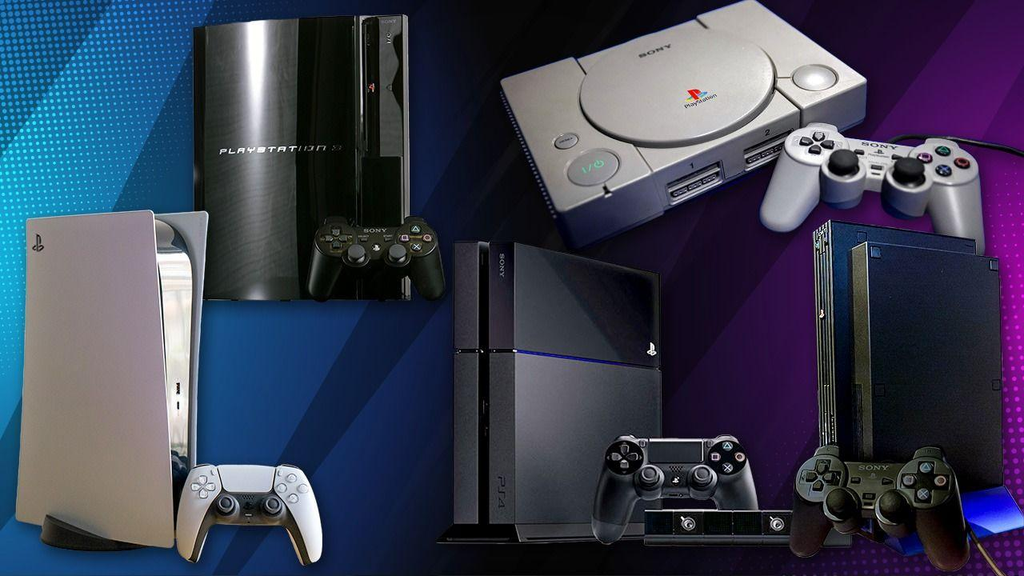
This formula worked particularly well in Europe. On November 24, 2000, the PlayStation 2 began its journey in the European market and eventually became part of the childhood and youth of millions of players.
The PS2 demonstrated that a console could be much more than simply a device for running games. It could shape technological trends, change audience habits, and even influence the development of related formats.
That is why the history of the PlayStation 2 is not simply the story of a successful console. It is the story of how one platform conquered Europe and helped shape the modern perception of home video games.
As a reminder, World of Warcraft is the story of the game that changed MMORPGs.


