On November 6, 2003, Prince of Persia: The Sands of Time was released in the United States — a new installment in Ubisoft's legendary series that effectively reimagined Prince of Persia for the PlayStation 2, Xbox, GameCube, and PC generation. The game combined platforming, action-adventure, puzzles, and a cinematic story, while its main feature was the ability to literally turn back time.
The story of The Sands of Time began in 2001, when Ubisoft acquired the portfolio of Broderbund, which previously owned the rights to Prince of Persia. At that time, Ubisoft CEO Yves Guillemot approached series creator Jordan Mechner with a proposal to create a new game.
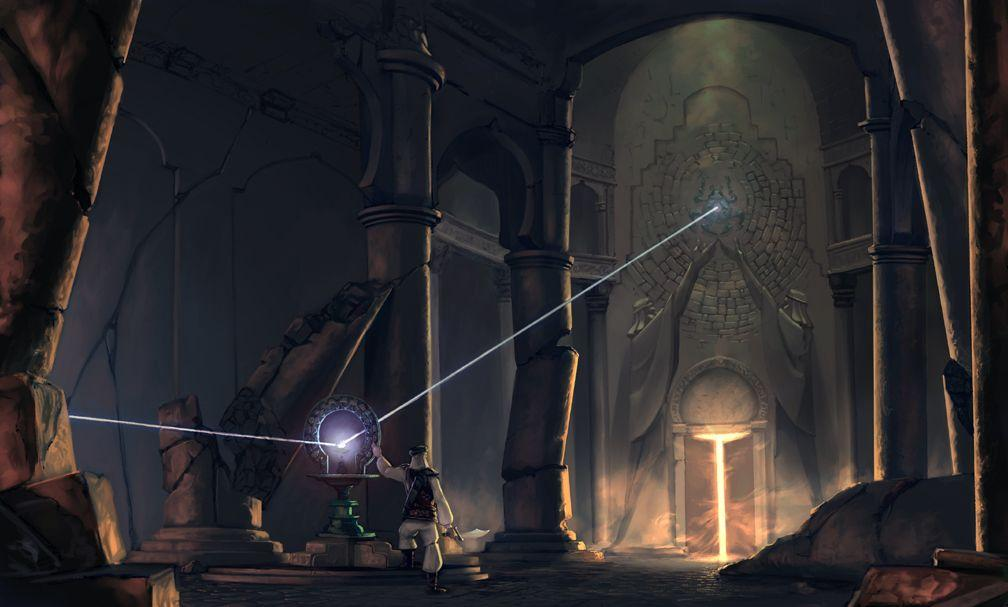
The project was assigned to the Ubisoft Montreal team. The developers wanted not simply to continue the old games, but to bring their spirit into the three-dimensional world of the new generation of consoles. Particular attention was paid to the fluidity of movement and speed, which were an important part of the original Prince of Persia games.
The team was relatively small, and many of its members were young developers. Art director Raphael Lacoste joined the project in 2002, while Mechner initially worked on the script and later became a designer and creative consultant.
One of the most important ideas of The Sands of Time was the ability to rewind time. For this, the developers created the Dagger of Time — an item that allowed the Prince to undo his recent actions.
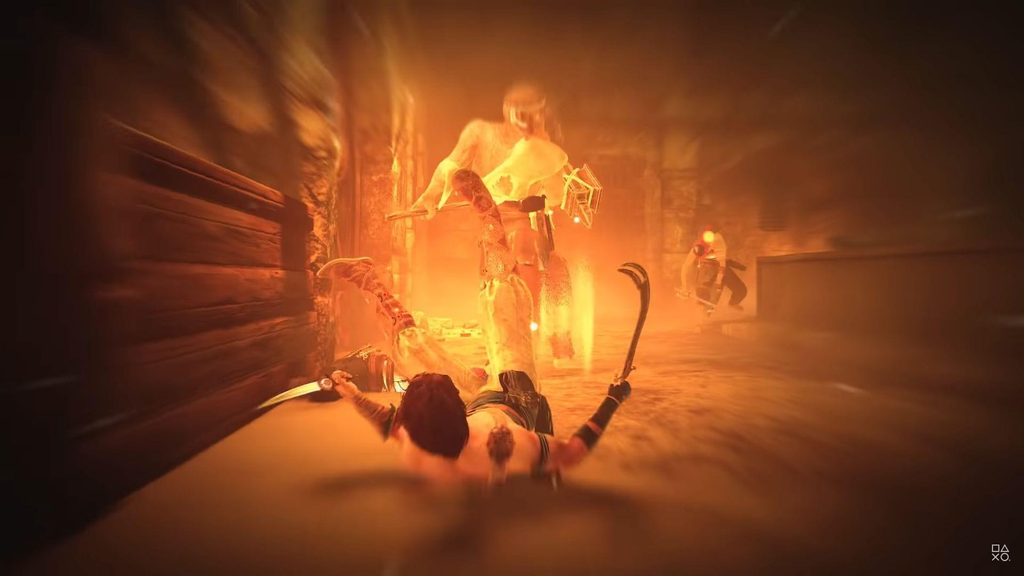
The idea emerged very early in development. Mechner wanted to eliminate situations in which the player had to constantly die and restart a difficult sequence. Instead, a mistake could simply be corrected by turning events back several seconds.
This mechanic became the foundation of the entire game. Levels, characters, and even individual elements of the story were created with the ability to manipulate time in mind. At the same time, it worked well with the acrobatics that became the second key component of The Sands of Time.
The Prince could run along walls, jump between platforms, move across columns, swing from poles, and overcome complex traps. As a result, progression was largely built around moving forward rather than traditional level exploration.
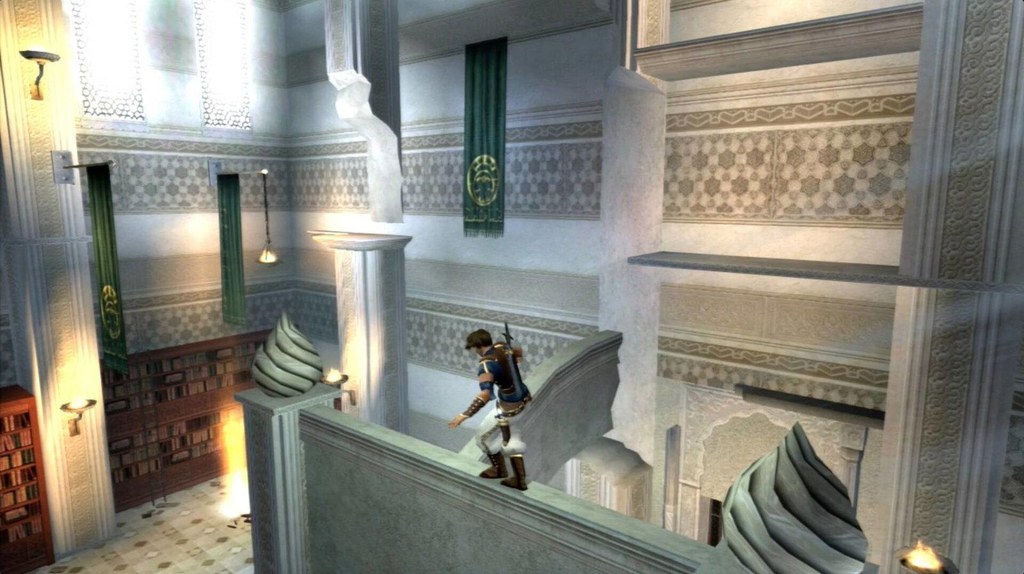
The huge Palace of Azad became the main setting for the events. The developers wanted to make it vertical and structure progression as a journey through different parts of one large complex.
The game's visual style was inspired by the tales of One Thousand and One Nights. The palace combined grand architecture, Eastern motifs, and fantastical elements. Even the structural limitations of the levels were something the team tried to turn into part of the gameplay.
The story followed a young Prince who, during the capture of the Palace of Azad, obtains the Dagger of Time. Due to his carelessness, the Sands of Time are released, transforming the palace's inhabitants into sand monsters.
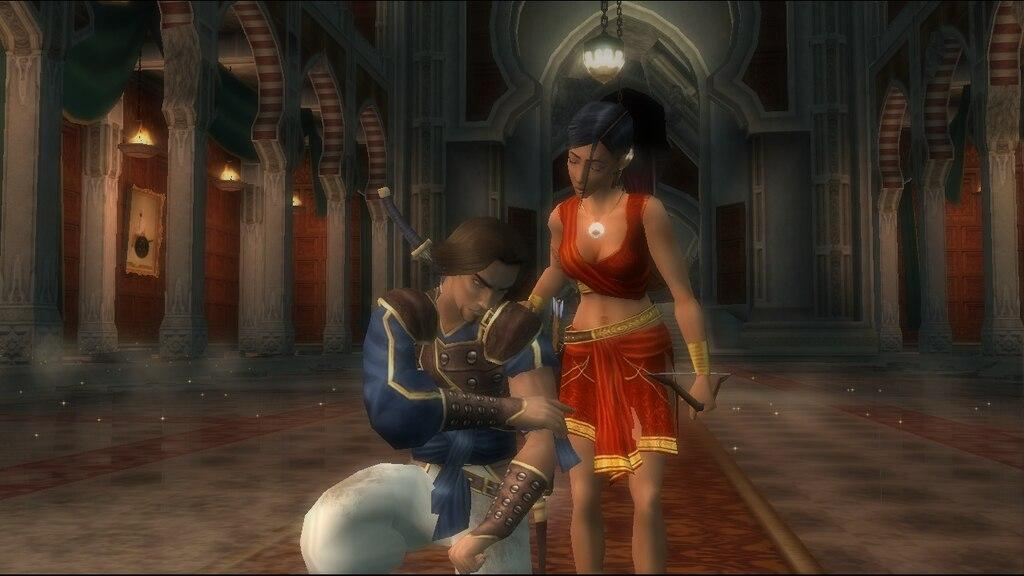
The Prince is forced to correct his own mistake. He is helped by Farah — a princess whom he meets during his journey through the palace. Their relationship gradually changes along with the protagonist himself, who throughout the story develops from a self-confident young man into a more mature person.
According to Ubisoft's developers, the story was essentially a kind of adventure version of a zombie story set in Ancient Persia. All the key elements — the Sands, the Dagger, acrobatics, and the combat system — were subordinated to the main game concept.
After its release, The Sands of Time received a very positive response from critics. The versions for PlayStation 2, Xbox, GameCube, and PC received high scores, while the game was praised for its level design, acrobatics, controls, visual style, story, and time-rewinding mechanic.
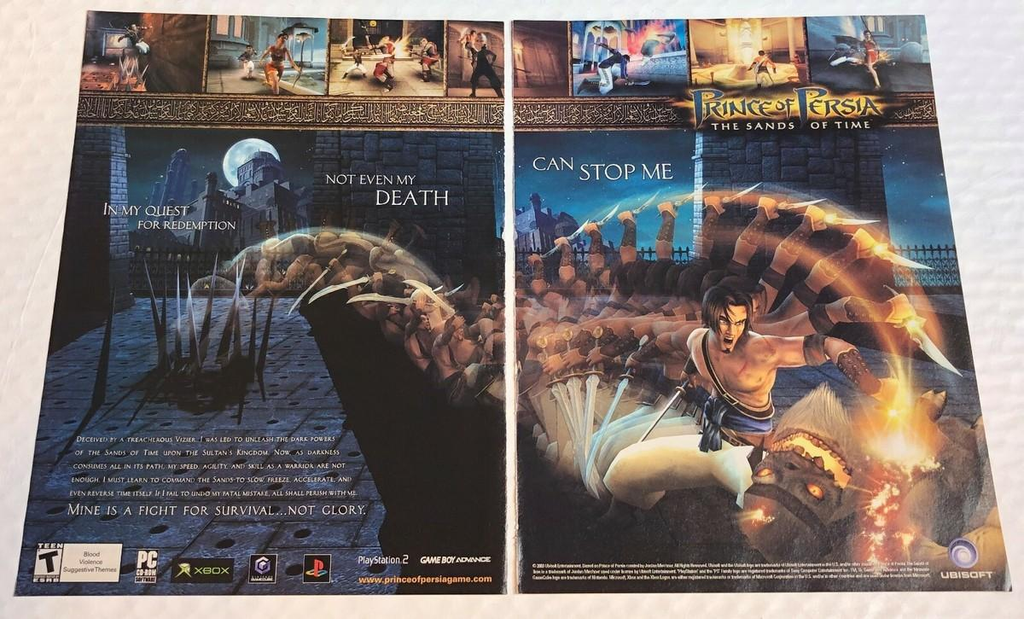
The game also became one of the main triumphs of the 2004 Interactive Achievement Awards ceremony. It received eight awards, including Console Game of the Year, Console Platform Action/Adventure Game of the Year, and Computer Action/Adventure Game of the Year.
At the 2004 Game Developers Choice Awards, The Sands of Time won in the Excellence in Game Design and Excellence in Programming categories. Earlier, at E3 2003, the game received the top award in the Best Action/Adventure Game category.
The Sands of Time became an important game not only for the Prince of Persia series, but also for Ubisoft itself. By March 2004, 2.4 million copies of the game had been sold. Ubisoft called The Sands of Time one of the main successes of its financial year.
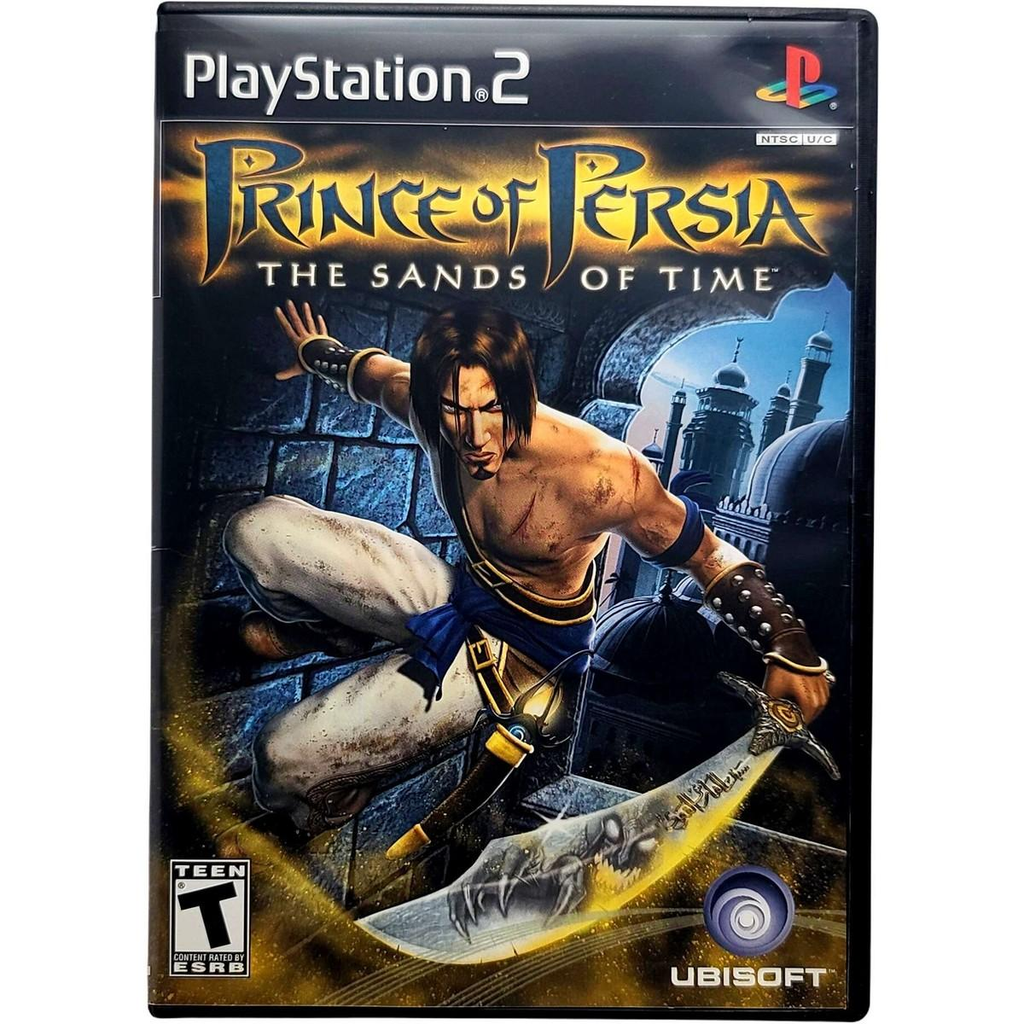
The game's success allowed Ubisoft to turn the return of Prince of Persia into a full-fledged revival of the franchise. The following year, the sequel Prince of Persia: Warrior Within was released, changing the tone of the series and making the combat system significantly more expansive.
The Sands of Time became the first installment in a trilogy that also included Warrior Within and The Two Thrones. At the same time, each game had its own tone and approach.
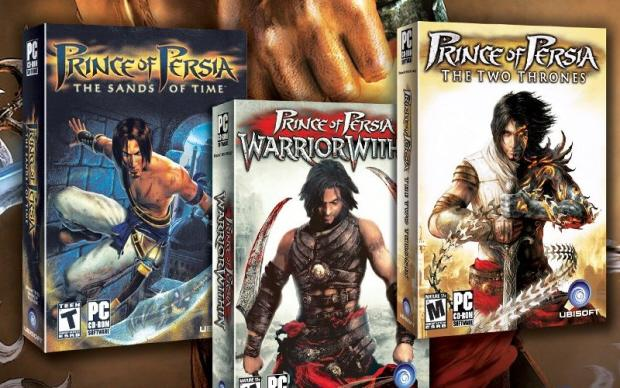
The first installment was a coming-of-age story for the Prince. In Warrior Within, the hero already faces the consequences of his past actions, while the overall atmosphere becomes much darker. The Two Thrones, in turn, attempted to combine different elements from the first two games and conclude the story.
Thus, The Sands of Time became the foundation for one of Ubisoft's most famous trilogies of the early 2000s. Its mechanics, especially acrobatics and time manipulation, became recognizable elements of the series.
Prince of Persia: The Sands of Time remains one of the most important examples of how a classic franchise can be reimagined without simply copying the original. Ubisoft preserved the main idea of Prince of Persia — the fluid movement of the protagonist and challenging acrobatic trials — but transferred it into a fully three-dimensional world.
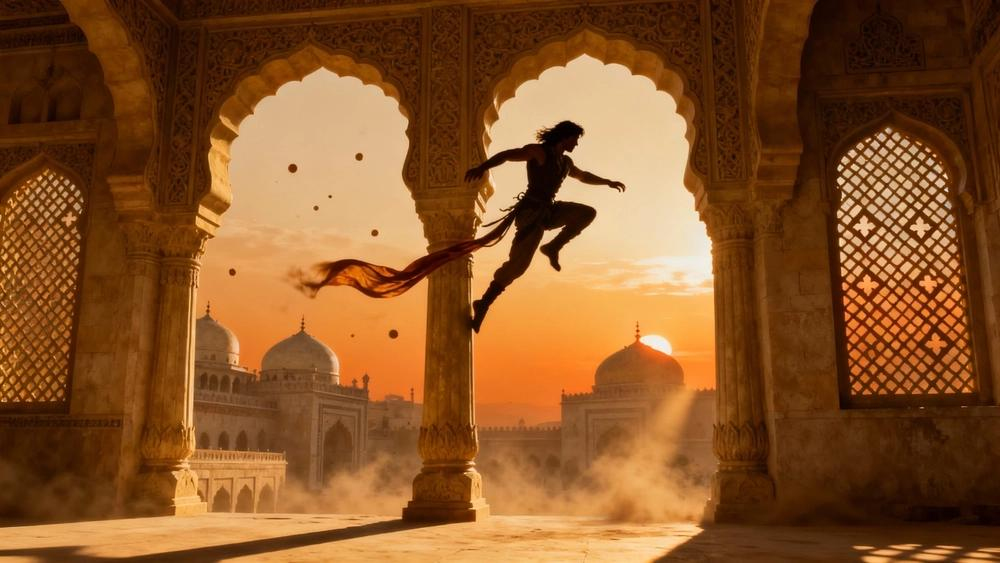
The time-rewinding mechanic holds a special place in the game's history. It was not simply a separate feature, but became a fundamental part of the game's design. That is why The Sands of Time is still remembered today as one of the most inventive adventure games of its generation.
In 2014, Ubisoft reported more than 14 million copies sold of The Sands of Time across all platforms. The game has also repeatedly appeared on lists of the best games in history and left a notable mark on the development of 3D platformers and action-adventure games.
Years after the original, Ubisoft decided to return to this story in the form of a full remake of Prince of Persia: The Sands of Time. Thus, the game that was effectively intended to bring an old franchise back to life on November 6, 2003, itself became a classic that Ubisoft returned to many years later.


