October 4, 2011 marked the U.S. release of RAGE, a new post-apocalyptic shooter from legendary id Software, the creators of DOOM and Quake. The game was released on PC, PlayStation 3, and Xbox 360, becoming one of the studio’s most ambitious projects of that period.
In 2011, expectations for id Software went far beyond another conventional shooter. The studio that had given the world DOOM and Quake was preparing an entirely new universe. Following Doom 3, this was its first major new game, and RAGE was intended to show what the next stage of the legendary studio’s evolution could look like.
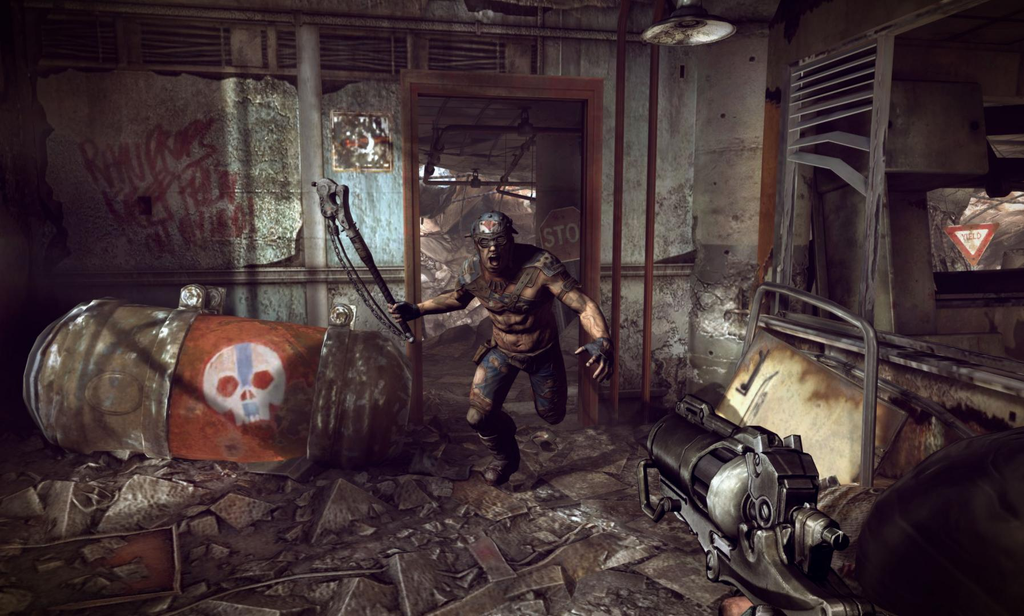
The idea behind RAGE was built around a post-apocalyptic world. Earth had been devastated by the impact of a massive asteroid, civilization had collapsed, and the survivors were trying to build a new life among deserts, mutants, and bandit factions. The player took on the role of one of the people who survived the catastrophe inside a special underground capsule — an “Ark.”
RAGE was important to id Software because the studio decided to move beyond its familiar formula. The trademark first-person shooting was still there, but it was combined with exploration of a large post-apocalyptic world, vehicular combat, and racing. As a result, RAGE brought together elements of a shooter, an action-adventure game, and a racing game.
Vehicles became one of the game’s defining features. Players could travel across the wasteland in their own buggy, upgrade its performance, install new equipment, and engage enemies in combat while driving.
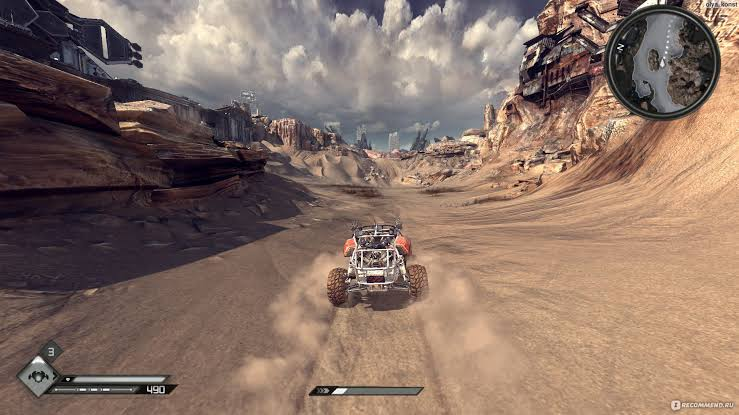
This was unusual for id Software, which for many years had been primarily associated with linear FPS games.
The technological side of RAGE was a story of its own. For the game, John Carmack and the id Software team created the new id Tech 5 engine. One of its key features was MegaTexture technology — enormous textures that allowed developers to create detailed surfaces with less repetition across large game environments.
For 2011, the results looked impressive. Deserts, cliffs, roads, and settlements were designed to create the feeling of a cohesive world rather than a collection of identical textures repeated over and over.
id Software effectively rebuilt its approach to game development for RAGE. The developers explained that the new technology required artists and designers to work in different ways, while building the entire MegaTexture system took years.
For id Software, RAGE was a major experiment. The studio was not simply creating a new shooter — it was developing a new engine, building a large world, and preparing the game for simultaneous release on PC and consoles.
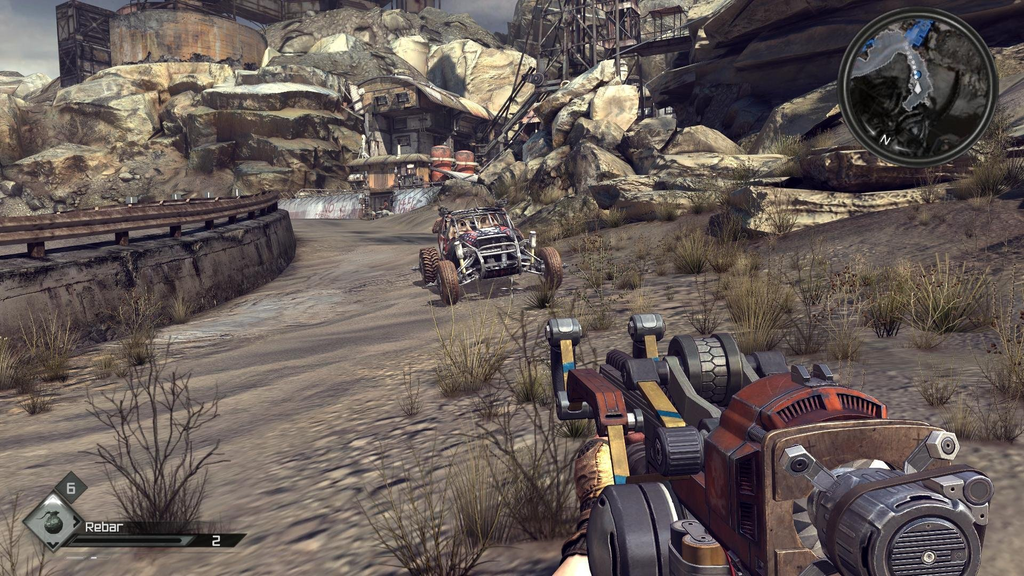
According to John Carmack, development took too long, and the team had to work under strict deadlines. A significant part of the final development stage was devoted to optimizing the game for different platforms.
RAGE was originally planned for release in September 2011, but the launch was postponed. The U.S. release ultimately took place on October 4, 2011, while the European release followed on October 7.
Following its release, RAGE received mixed reviews. Many critics praised its technological aspects, particularly its visuals and the performance of the new engine. At the same time, some reviewers felt that the game’s ambitions were greater than some of its gameplay and narrative decisions.
Nevertheless, RAGE left an important mark on the history of id Software. It was an attempt by the legendary studio to move away from the established formula of DOOM and Quake and create a large post-apocalyptic world built around vehicles, exploration, and a new technological foundation.
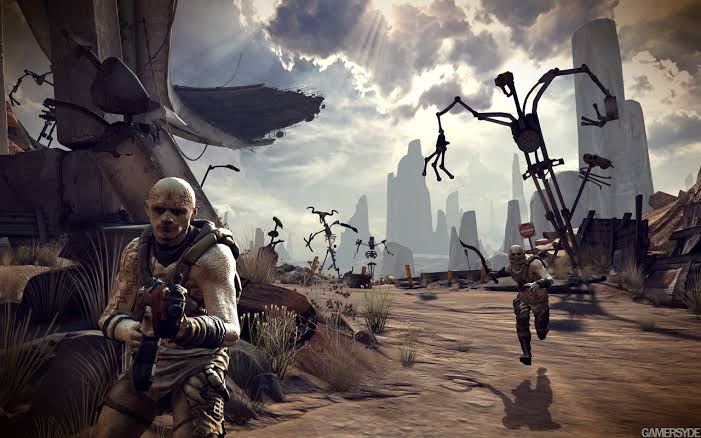
Today, RAGE is remembered not only as a 2011 shooter but also as an important stage in the development of id Software and its technology. The game also marked the beginning of the RAGE series, which later received a sequel — RAGE 2.
As a reminder, Prince of Persia is an adventure that began on October 3, 1989.


