On September 5, 2008, S.T.A.L.K.E.R.: Clear Sky was released in Europe — the second game in the S.T.A.L.K.E.R. universe by Ukrainian studio GSC Game World. The project served as a prequel to Shadow of Chernobyl, inviting players to return to the Exclusion Zone one year before the events of the original game.
However, for Ukrainian players, this date was not entirely distinct. Clear Sky launched in Ukraine on August 29, 2008, whereas the international release — originally also scheduled for August 29 — was pushed to September 5 by GSC and publisher Deep Silver.
Although Clear Sky is often remembered today for its numerous technical issues, the game became an important part of the Ukrainian studio's history and one of GSC Game World's most famous projects.
The story of Clear Sky began even before the release of Shadow of Chernobyl. The series' first entry spent years in development, undergoing numerous concept shifts and delays before finally launching in March 2007.
Following Shadow of Chernobyl's release, GSC realized that the world they created held far more stories than a single game could contain. The developers wanted to answer lingering questions left by the original's ending and show players a different side of the Zone.
That is why the team decided to build a prequel set in 2011 — roughly one year prior to the story of Shadow of Chernobyl. According to GSC developers, the idea was not merely to make another game, but to expand the universe and clarify some of its unexplained aspects.
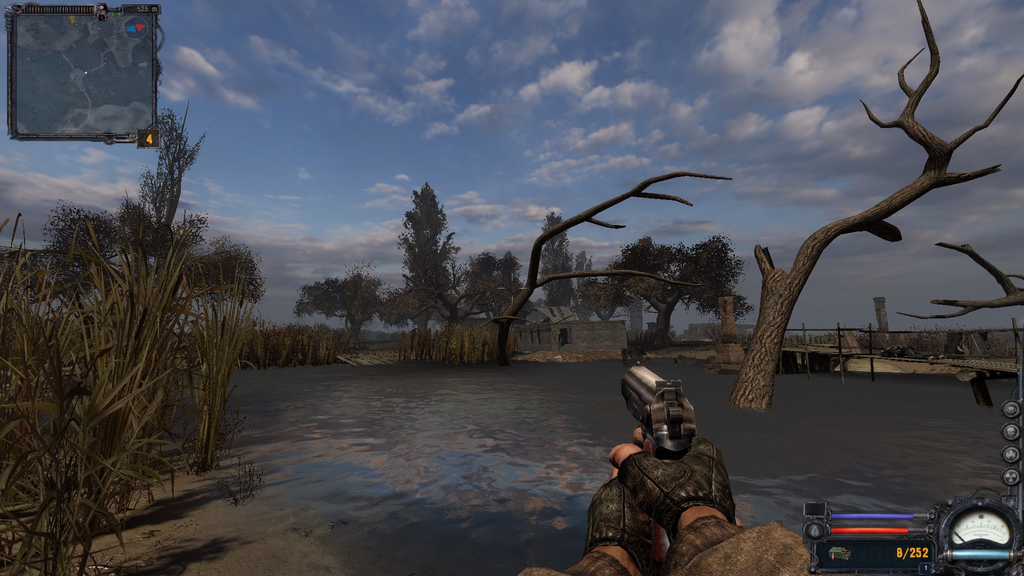
At the center of the story was a new protagonist — the mercenary Scar. Following a massive emission, he gains unusual abilities and finds himself drawn into a conflict between the Zone's factions.
Unlike Shadow of Chernobyl's protagonist, Scar was not a mysterious stalker suffering from amnesia. Players were given the chance to witness the events preceding Strelok's story and understand how the Zone came to the state familiar from the first game.
One of the developers' primary goals was to make the world more dynamic.
In Shadow of Chernobyl, factions and NPCs largely acted according to scripted scenarios. For Clear Sky, GSC wanted a system where factions could independently fight for territory.
Thus emerged one of the game's major additions — faction warfare.
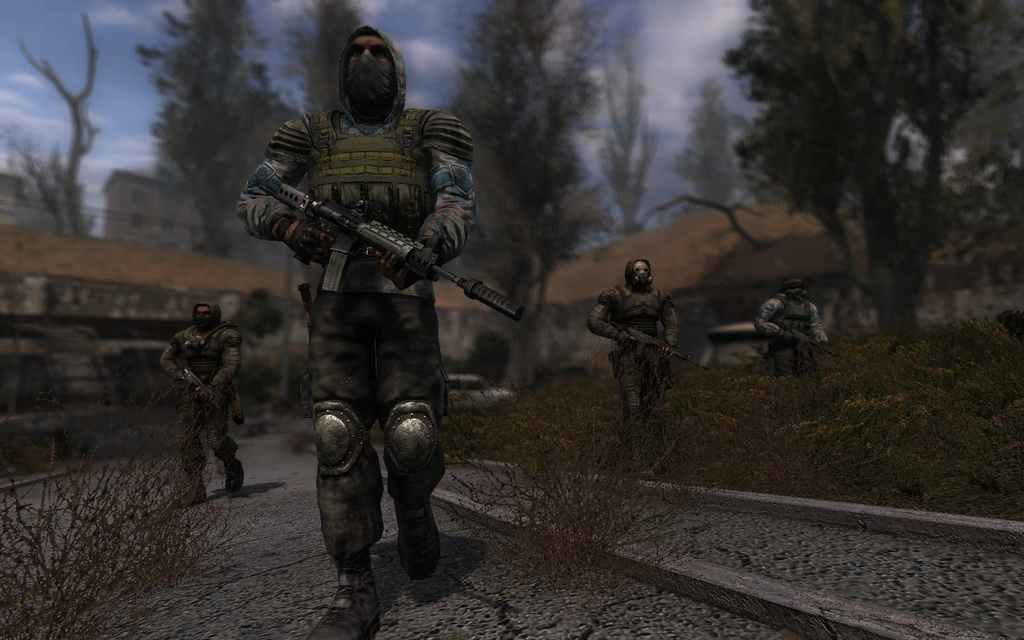
Factions received their own interests, territories, and objectives. They could capture control points, engage in firefights with enemies, and gradually shift the balance of power in specific areas of the Zone.
Developers explained that they utilized a group artificial intelligence system for this purpose. Their goal was to ensure faction warfare did not feel like a series of scripted events.
It was an ambitious concept for a game at that time.
Instead of simply progressing through missions sequentially, players could intervene in faction struggles, assist one side, and influence territorial control.
GSC did not completely abandon the familiar atmosphere of the original entry.
The game reintroduced dangerous anomalies, mutants, artifacts, stalkers, and factions trying to survive in the Zone.
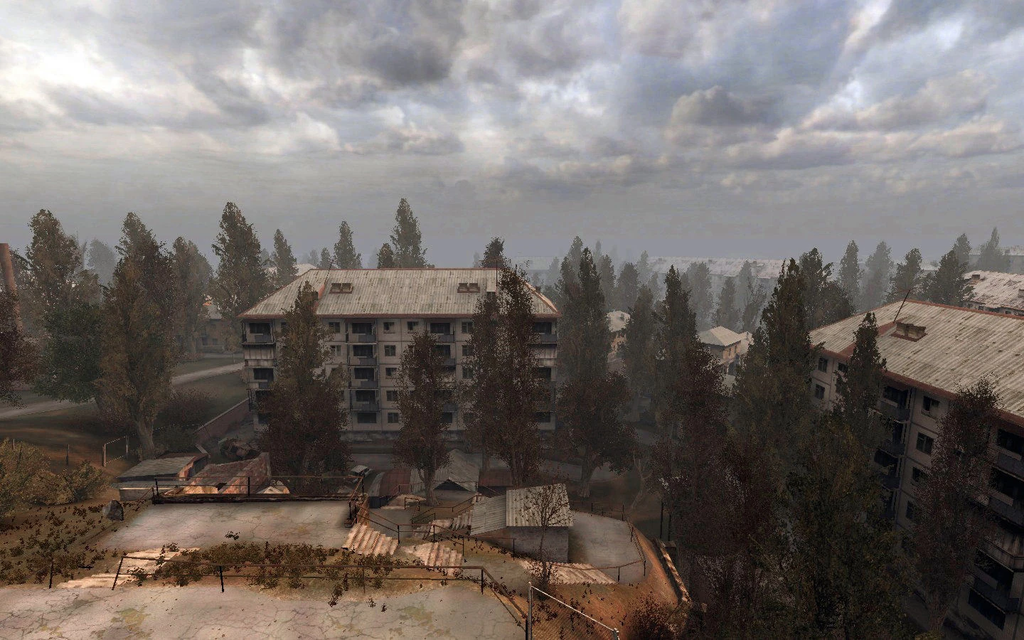
At the same time, developers introduced new locations, including the Red Forest, Limansk, and the Pripyat Undergrounds. An updated tech stack also allowed for improved animations, artificial intelligence, and a weapon and armor upgrade system.
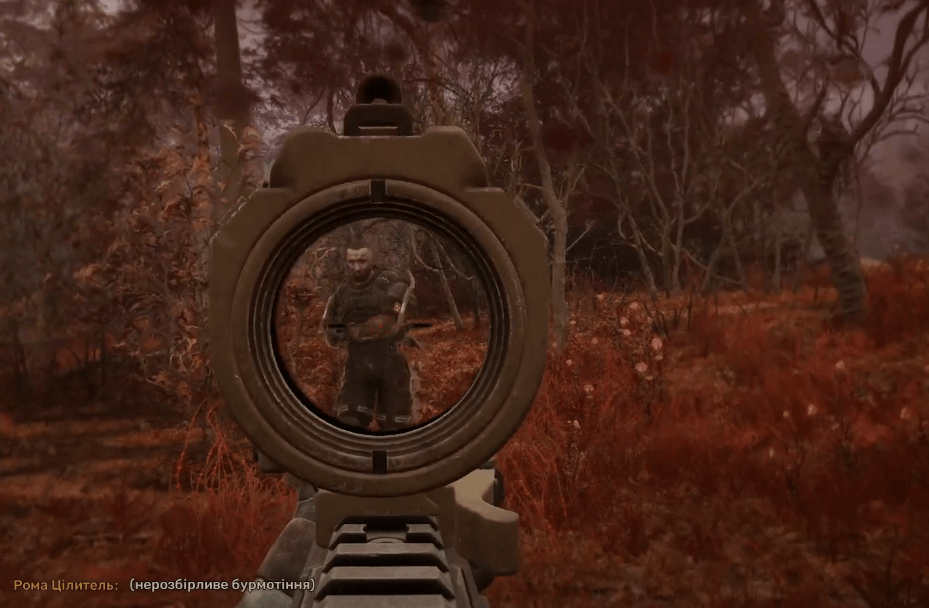
Special attention was paid to gear.
Weapons and armor could now be upgraded, unlocking new stats and improvements. This added another layer of character progression, encouraging players to manage scavenged equipment more carefully.
Clear Sky was originally slated to launch on August 29, 2008. GSC announced this date back in the spring, and it was eagerly anticipated by fans.
However, on August 19, news broke that the release was delayed. The game had already gone gold, but instead of August 29, the international release was set for September 5. For Ukrainian players, the situation differed slightly: Clear Sky released in Ukraine on August 29, meaning part of the local audience was already playing it by the time of the European release.
Interestingly, a one-week delay seemed minor, especially considering how troubled the game's technical state turned out to be at launch. While Shadow of Chernobyl gained widespread acclaim for its atmosphere, Zone exploration, and sense of danger, Clear Sky received a far more mixed reception from players.
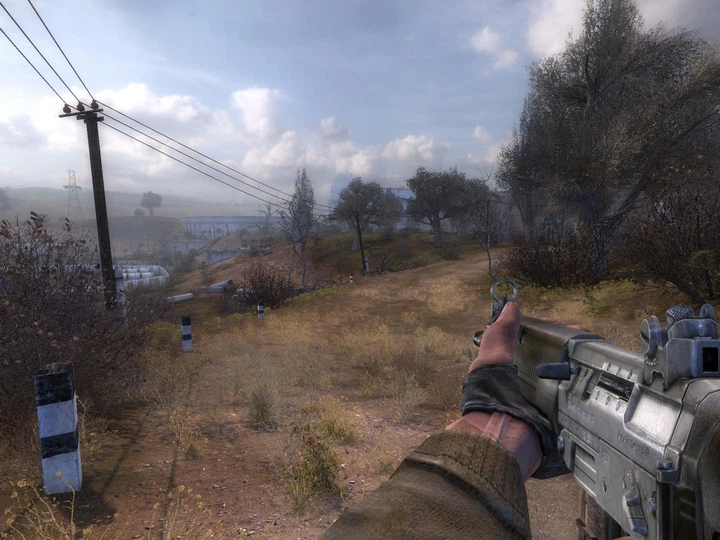
Technical bugs proved to be one of the main problems. Players reported crashes, glitches, AI issues, and other malfunctions. Several mechanics functioned unstably, and certain situations could literally break game progression.
Later, GameSpot specifically highlighted these technical flaws in its review, calling bugs one of the game's biggest drawbacks. At the same time, the outlet praised the Zone's atmosphere, difficulty, and new faction system.
Ultimately, GameSpot awarded the game a 6/10, while the overall critical score on Metacritic sat at 75/100. The platform's user score was higher, reaching 7.5/10.
In short, Clear Sky was not a failure. On the contrary, critics generally saw a good game in it, but its technical state prevented it from matching the original's impact.
The paradox of Clear Sky was that many of its flaws coexisted alongside mechanics that players genuinely wanted to see in S.T.A.L.K.E.R. Faction warfare, weapon and armor upgrades, new territories, and an expanded Zone offered a sense of a larger, more complex world. Yet at the same time, technical bugs often hindered players from enjoying those additions.
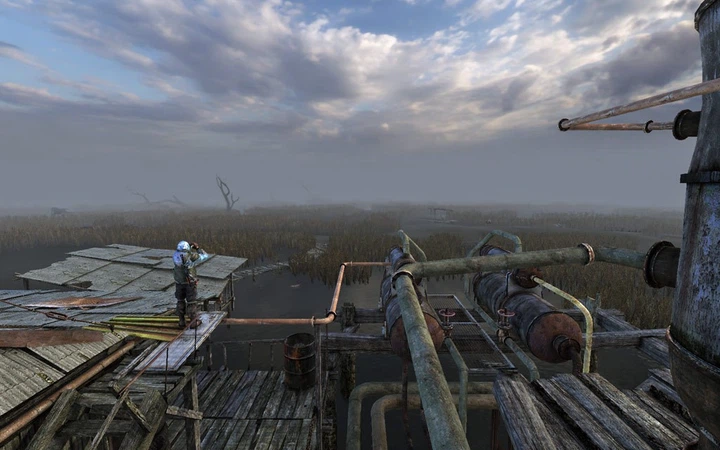
Reviews from that period reflected a distinct trade-off: players praised the atmosphere, world, and improvements over the first game, but frequently complained about bugs and instability. Even in later user reviews, Clear Sky was described as a solid game that remained "extremely buggy."
This dynamic shaped a unique consensus around Clear Sky. For some, it was the weakest entry in the classic trilogy. For others, an underrated prequel that introduced mechanics missing from Shadow of Chernobyl.
Despite its troubled launch, Clear Sky represented a key milestone in the series' evolution.
GSC sought not merely to repeat the original formula, but to expand upon it. The studio experimented with dynamic factions, deeper gear progression, and a more vibrant Zone.
Several of these concepts were later refined in S.T.A.L.K.E.R.: Call of Pripyat, released in 2009.
Clear Sky itself remained the "middle chapter" of the classic trilogy — a game that demonstrated how vast the world of S.T.A.L.K.E.R. could become, while highlighting how difficult it was for GSC to fulfill all its ambitions without technical compromises.
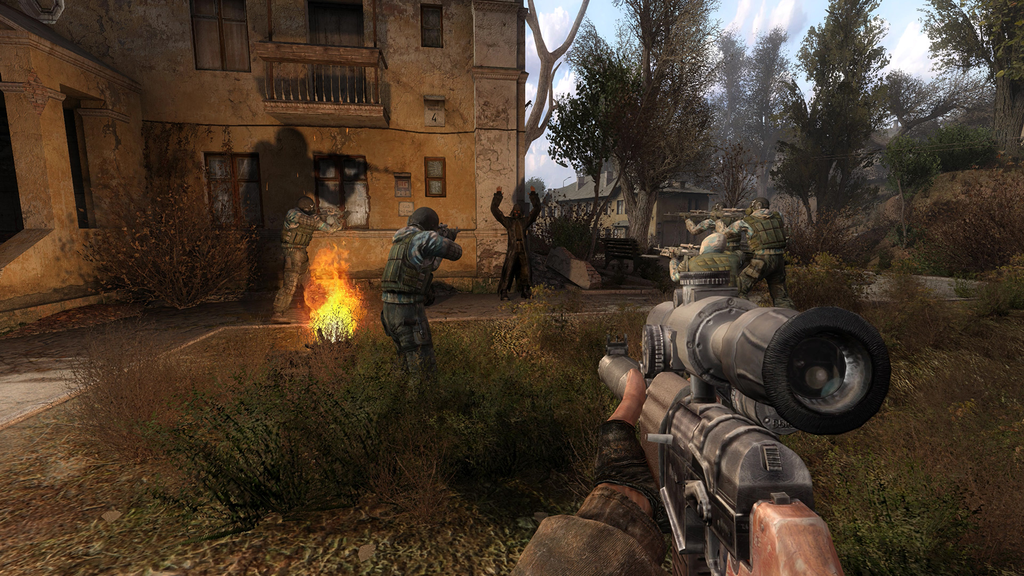
Today, S.T.A.L.K.E.R.: Clear Sky is viewed as more than just a prequel to Shadow of Chernobyl. It stands as a piece of history for GSC Game World and the Ukrainian video game industry.
On September 5, 2008, the game officially set out to conquer the European market, a week after Ukrainian players first got their hands on it.
Its reception was mixed: the atmosphere, world, and new mechanics earned praise, while technical issues became the primary target of criticism.
Yet despite all its flaws, Clear Sky preserved what kept players returning to the Zone: a sense of solitude, danger, and constant discovery around every bend in the road.
And that is why, years after its release, it remains an important chapter in the story of S.T.A.L.K.E.R. and Ukrainian game development.
As a reminder, September 4 in video game history: how Outlast turned fear into the player's main weapon.


