On September 12, 2003, Valve officially launched Steam. Back then, it was completely different from the platform we know today. No vast library, thousands of indie games, seasonal sales, trading cards, achievements, or Steam Deck. Initially, Steam was conceived much more mundanely — as a way to automatically update Valve games, combat cheaters, and simplify the delivery of new content to players.
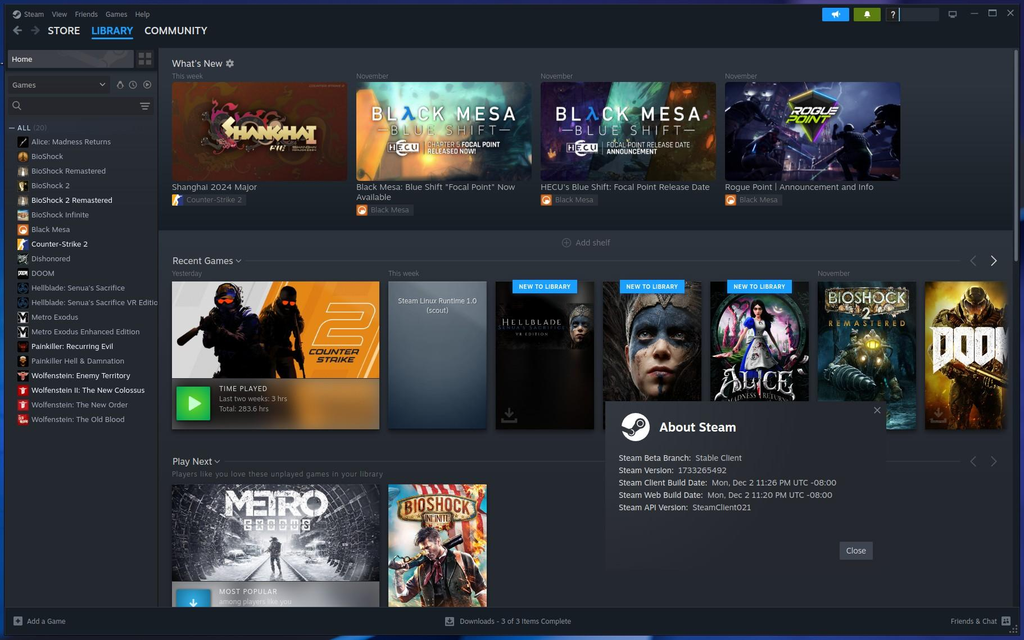
But over two decades, this experiment transformed into one of the most influential platforms in video game history. Steam changed not only the way we buy games, but also the very model of their existence: a game ceased to be a product on a disc that was bought and installed once, turning into a constantly updated digital service.
Today, Steam has over 132 million monthly active users and operates in more than 250 countries and territories. But the road to this point was far from smooth.
From Microsoft to Valve
The story of Steam begins long before Steam itself — with a man who decided to leave one of the largest tech companies in the world. Gabe Newell worked at Microsoft for many years, participating in the development of early versions of Windows. It was there that he gained not only extensive software experience, but also sufficient capital to try something completely new in the mid-1990s.
In 1996, Newell, along with former Microsoft colleague Mike Harrington, founded Valve in Washington State. The company started literally from scratch: two people decided to use their own funds to create video games. Valve licensed technology from id Software, specifically the Quake engine, and began work on its first project. The game initially had the working title Prospero, but later evolved into Half-Life.
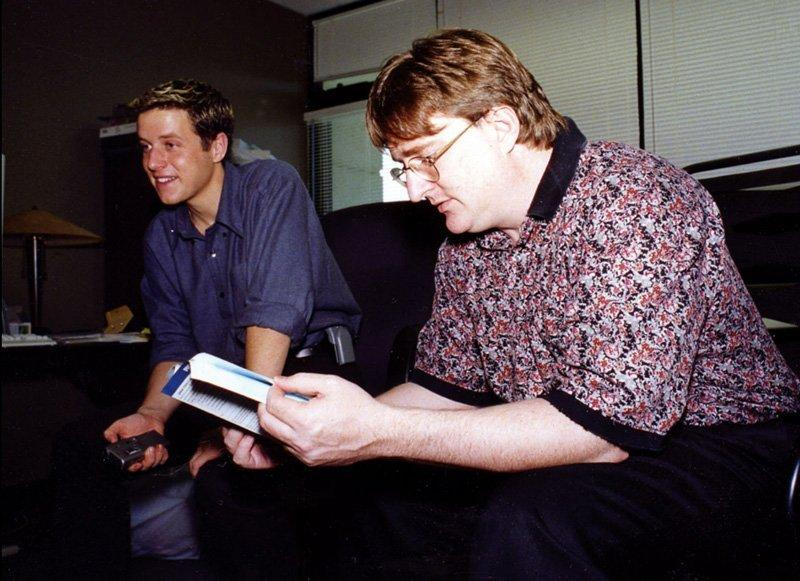
The initial results, however, were not as desired. Inside Valve, they realized the project wasn't good enough and essentially restarted development from scratch. It was extremely risky: the company was spending the founders' own money, and success was far from guaranteed. Ultimately, the young studio managed to find a publisher — Sierra On-Line. And that decision changed everything.
Half-Life Turns Valve into a Serious Player
Half-Life was released in November 1998. At that time, the shooter market was already shaped by games like Doom and Quake. But Valve offered something different. Instead of constant cutscenes, the game told a story directly within the game world. The player was not left on the sidelines; everything happened around them in real time.
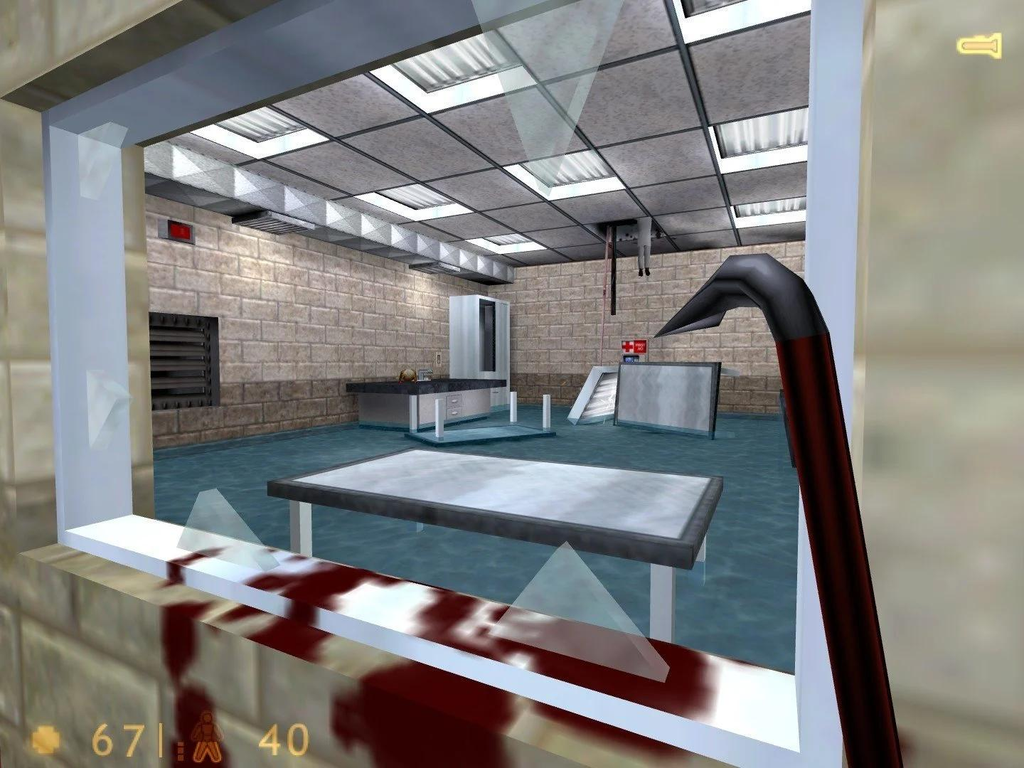
Half-Life became a sensation, winning over 50 "Game of the Year" awards and establishing Valve as one of the major PC game developers. But even more important for Valve's future was another aspect of the game — modifications. Valve actively supported user-generated content, and its tools allowed players to create their own maps and mods. It was from this culture that projects would grow to become massive standalone franchises. Among them was Counter-Strike.
Counter-Strike Created a Problem That Needed to Be Solved
In the early 2000s, Valve faced one huge problem. Online games constantly needed updating. For a single-player game, this wasn't critical: you bought a disc, installed it, and the game worked. But with Counter-Strike, everything was different. Developers needed to fix bugs, balance weapons, patch vulnerabilities, and combat cheaters. Patches were distributed through various mirrors and third-party servers. Each major update could result in some players having the new version while others still had the old one.

As a result, the online community was literally split between different versions of the game. Valve realized it needed a system that would allow it to maintain control over the software after the user had acquired it. That is how the story of Steam began.
Steam: Initially Not a Store at All
Valve introduced Steam at the Game Developers Conference on March 22, 2002. At first, it wasn't a store in the modern sense. Valve described Steam as a platform for broadband distribution of software, updates, content management, anti-piracy, and version control.

[12.09.2026 5:17] My work: The idea was revolutionary for its time. Instead of waiting for a patch on a magazine disc, searching for it on a developer's website, or downloading it from a slow server, the system could fetch the necessary files automatically. But Valve wanted more.
Even back then, the company understood that the internet could allow developers to sell games directly to players, bypassing the traditional "developer → publisher → distributor → store → buyer" chain. In Valve's logic, this meant control over the entire supply chain. And that was when Steam began its transformation from a technical solution into a full-fledged business platform.
September 12, 2003
After beta testing, Steam was fully launched on September 12, 2003. At launch, the service was far from perfect. It was unstable, buggy, caused frustration with authentication, and essentially forced users to install another program just to run their games. For gamers in the early 2000s, this was particularly annoying.
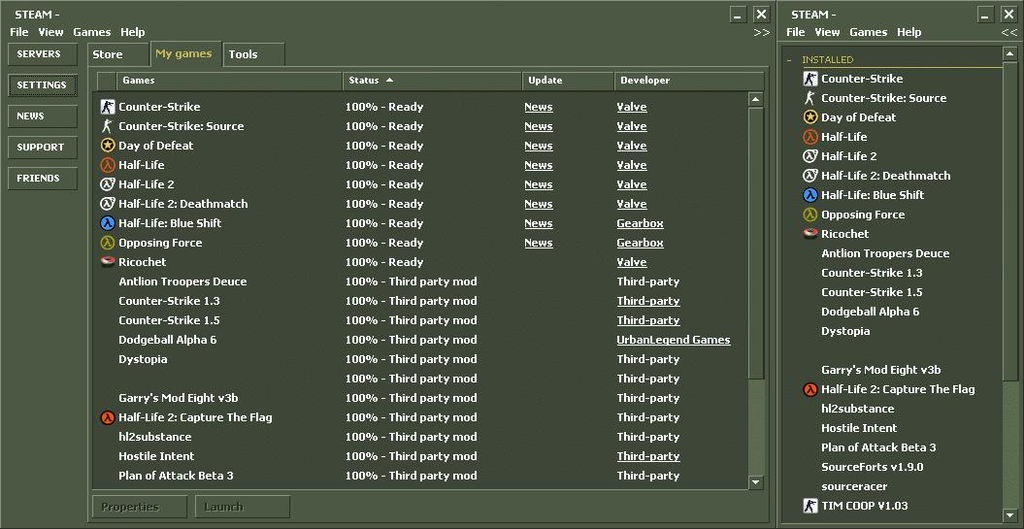
Back then, the very idea of digital distribution didn't seem like an obvious future. People bought boxed copies, discs, and magazines. High-speed internet was far from ubiquitous. Steam required players to trust Valve with control over a game they had already purchased. And many didn't want to do that.
Valve Begins Getting the World Accustomed to Steam
Valve had one extremely strong advantage — its own popular games. Steam didn't need to convince people to install a completely unknown service. Valve could simply say: if you want to play our games, install Steam. Key projects of this period included Day of Defeat, Team Fortress Classic, and Counter-Strike.
Day of Defeat grew out of a Half-Life mod into a standalone Valve game. Team Fortress Classic was another important representative of Valve's old school. And Counter-Strike became a real audience magnet. When Valve began transitioning its online games to Steam, players essentially had to accept the new system.
And it was here that one of the most important transformations occurred. Steam ceased to be just an update tool. It became the gateway to Valve's games.
Half-Life 2 — The Point of No Return
But the true turning point came on November 16, 2004, with the release of Half-Life 2. It was one of the most anticipated games of its generation. Valve created the new Source engine, relying heavily on physics, detailed environments, complex AI, and a new level of cinematic presentation.
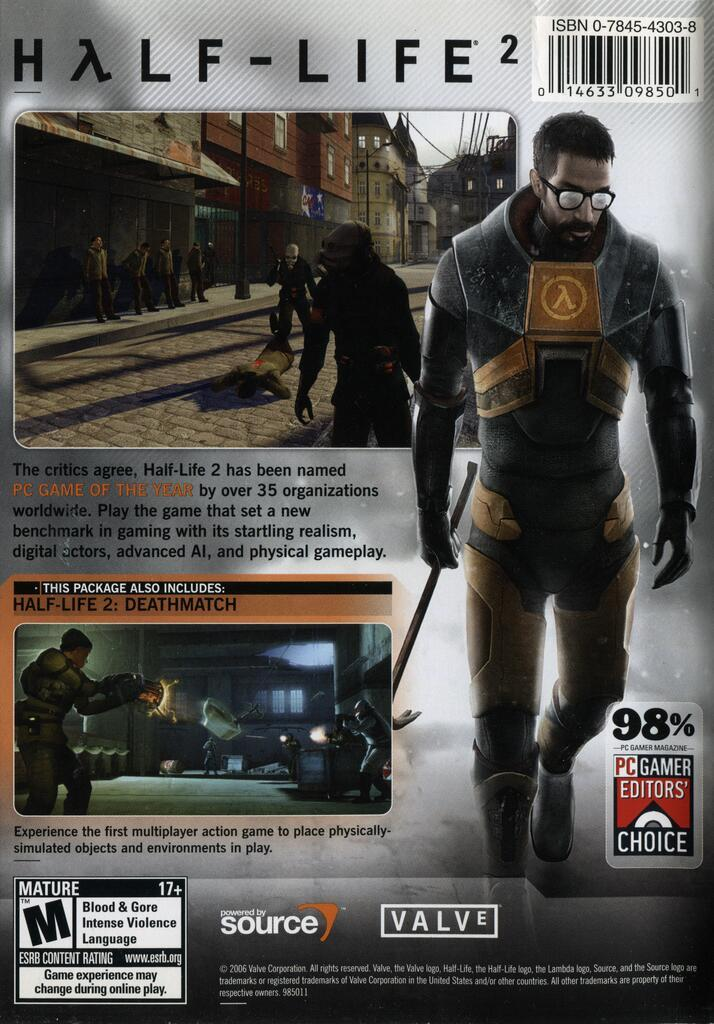
But another detail was crucial for Steam's history. Half-Life 2 became Valve's first major game that required a Steam installation even if you bought a physical disc in a store. To a modern gamer, this sounds normal. In 2004, it did not. You bought a boxed game at a store, brought it home, put the DVD into your computer… and then the system told you: install Steam and activate the game via the internet.
This caused significant outrage. Steam at the time was still slow, unstable, and lacked the sheer number of features that seem obvious today. But Valve bet on the future. And won.
Valve's Best Games Became the Engine of Steam
Valve essentially used its own games to build an audience for its platform. It was a brilliant business model. Half-Life 2 forced players to install Steam. Counter-Strike: Source gave millions of fans of the original Counter-Strike a new Source-powered version. Half-Life 2: Deathmatch showcased the capabilities of the new engine.
Later, Day of Defeat: Source, Half-Life 2: Episode One, Half-Life 2: Episode Two, Team Fortress 2, Portal, Left 4 Dead, Left 4 Dead 2, Dota 2, and other projects were added to the ecosystem. Valve was no longer just selling games. It was building an ecosystem around them.
From Valve's Store to Everyone's Store
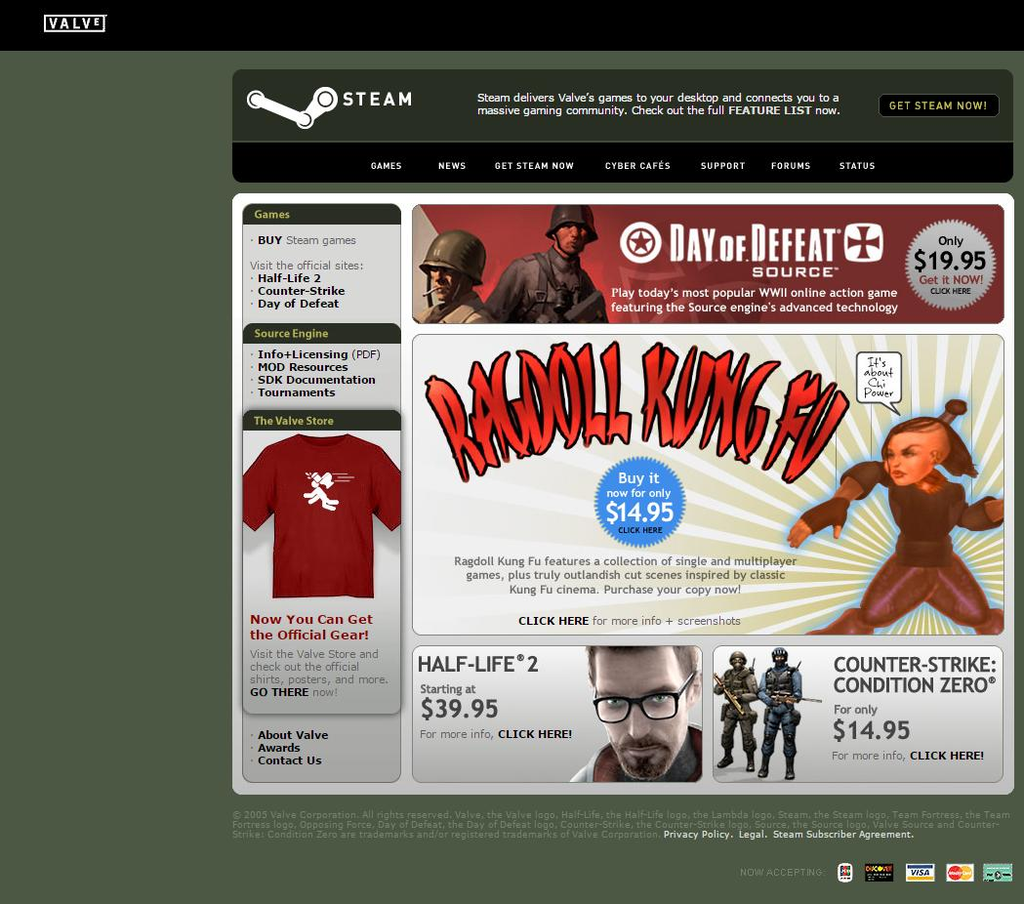
The next stroke of genius was opening Steam to third-party developers. In 2005, third-party games started appearing on the platform, among the first being Rag Doll Kung Fu and Darwinia. This was the moment Steam stopped being just a "program for Valve games." Now, it was a PC gaming store.
And here Valve entered an extremely virtuous cycle: more games → more users → more developers wanting to sell their games → more games → even more users.
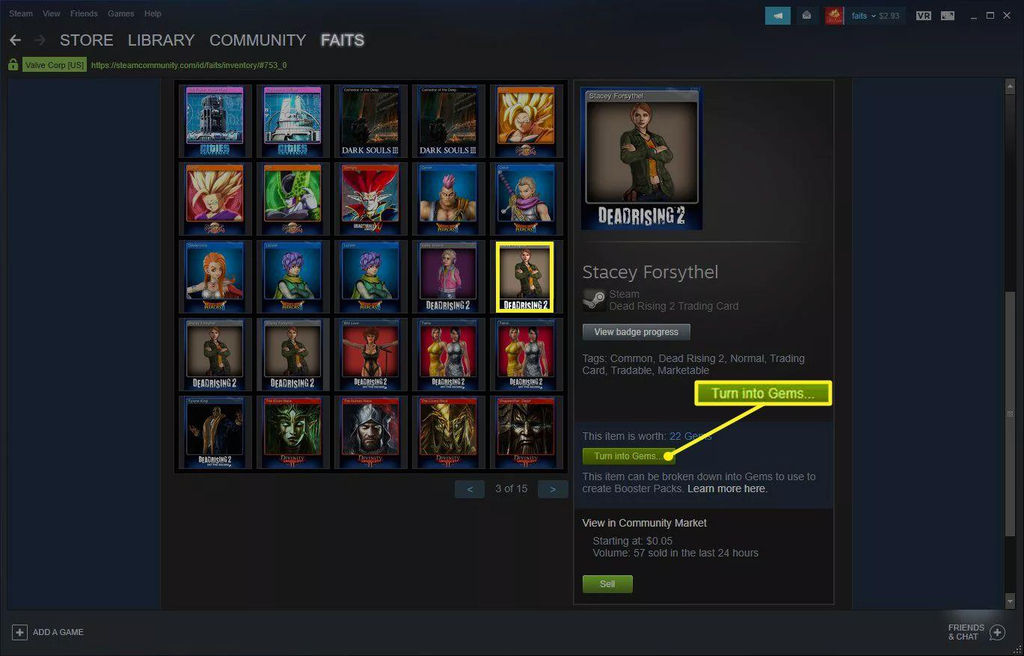
[12.09.2026 5:17] My work: Over time, Steam began absorbing features that previously existed separately: automatic updates, cloud saves, friend lists, chats, achievements, reviews, workshop mods, the Community Market, trading cards, and seasonal sales.
Steam gradually ceased to be just a storefront. It became the operating system of PC gaming running on top of Windows itself.
Valve Understood the Main Thing: You Can Sell More Than Just Games
Steam's success allowed Valve to pivot its business model. The company no longer needed to release dozens of major games every year. Its biggest product became the platform itself. Valve earned money not only from its own games, but also from the sales of a massive number of third-party titles.
The European Commission explicitly used Valve's 30% cut of Steam revenue in its antitrust calculations regarding specific games. In other words, Valve gradually transitioned from a game developer into a company controlling a massive portion of the infrastructure through which these games are sold. And that is perhaps the most important reason for its success.
Valve No Longer Needed to Release Games Every Year
Therein lies one of Valve's biggest mysteries. The company created Half-Life, Counter-Strike, Team Fortress, Portal, Left 4 Dead, Dota, and other franchises that became cultural phenomena. And then, it almost stopped releasing major new games.
Seemingly, this should have been a disaster. But Steam kept working. What's more — Steam kept growing. Valve transformed into a company that could go years without releasing a new Half-Life while remaining one of the most influential forces in the PC industry.
This was made possible because the company's core product was no longer a specific game. The core product became the ecosystem.
Steam Sales Changed Player Behavior
The famous Steam Sales are a story of their own. Valve gradually conditioned people to buy games not when they were released, but when they went on sale. Summer and Winter sales turned into events awaited by millions of people.
Gamers began building massive libraries, buying dozens of games they often never even launched. This is where the famous phenomenon comes from: "bought it on sale, I'll play it eventually." And Valve gained what every digital store dreams of — a user habit of returning to the platform again and again.
Steam and Independent Developers
One of Steam's biggest impacts was that small studios no longer had to negotiate with major publishers to reach a global market. An indie developer gained the ability to release a game and offer it directly to Steam's audience. This became especially important in the 2010s.
Games like Terraria, Stardew Valley, Undertale, Hollow Knight, Hades, and thousands of other projects were able to reach a global audience without traditional physical distribution. Of course, Steam wasn't the sole reason for the success of the indie scene. But the platform radically lowered the barrier to entry for the global PC market.
Valve Also Gave the World a New Model for Online Games
Valve also experimented with another revolutionary model. Team Fortress 2 gradually transitioned to free-to-play and started monetizing through in-game items. Cosmetic items, hats, cases, and trading became a massive economy.
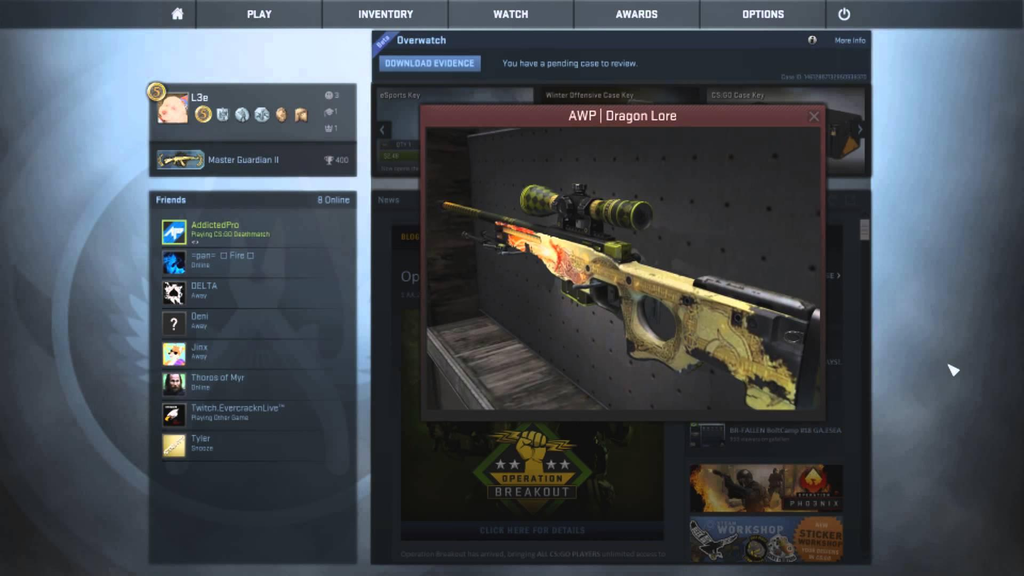
Then, Valve applied this experience to Counter-Strike. Skins, cases, and the item market turned cosmetics into a multi-billion dollar segment of the gaming industry. Effectively, Valve helped popularize a model where a game can be free, and revenue comes not from access to the game itself, but from digital items and the in-game economy.
Dota 2 — Another Proof of the Platform's Power
Dota was a special story. The original Defense of the Ancients was a mod for Warcraft III. Valve invited one of the key creators of the mod — IceFrog — and began developing a full-fledged Dota 2. The game became free-to-play, with Steam serving as its main infrastructure.
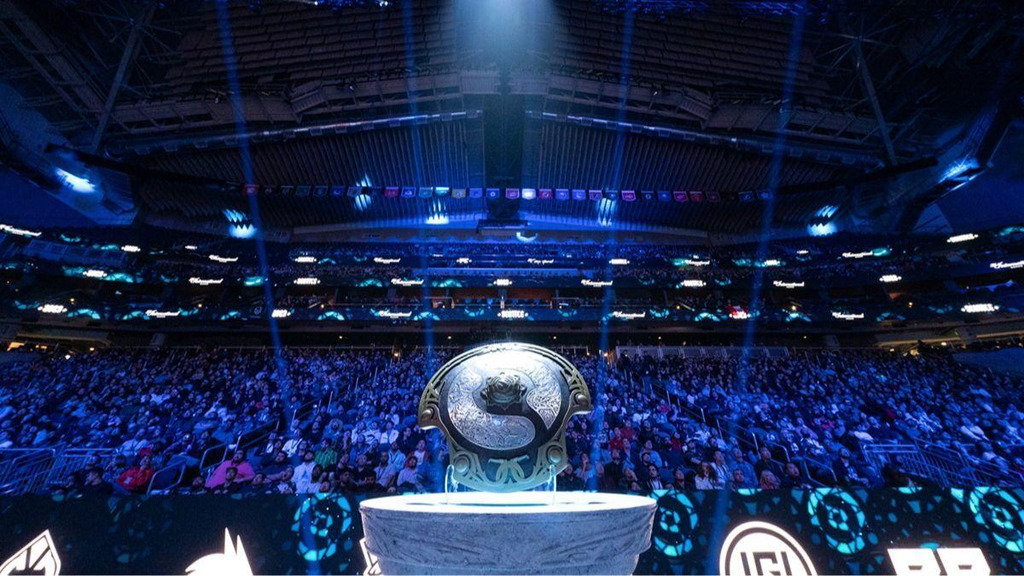
Dota 2 helped Valve solidify its standing in esports. The International became one of the most famous esports tournaments in the world, and the game itself demonstrated that Steam could be more than just a store — it could be the foundation for a massive, long-lasting online community.
Valve Begins Experimenting with Everything
After Steam became a giant, Valve began pushing beyond traditional PC gaming. The Steam Workshop made modifications part of the official ecosystem. SteamVR allowed the company to enter virtual reality. The Steam Controller and Steam Link attempted to bring PC gaming into the living room.
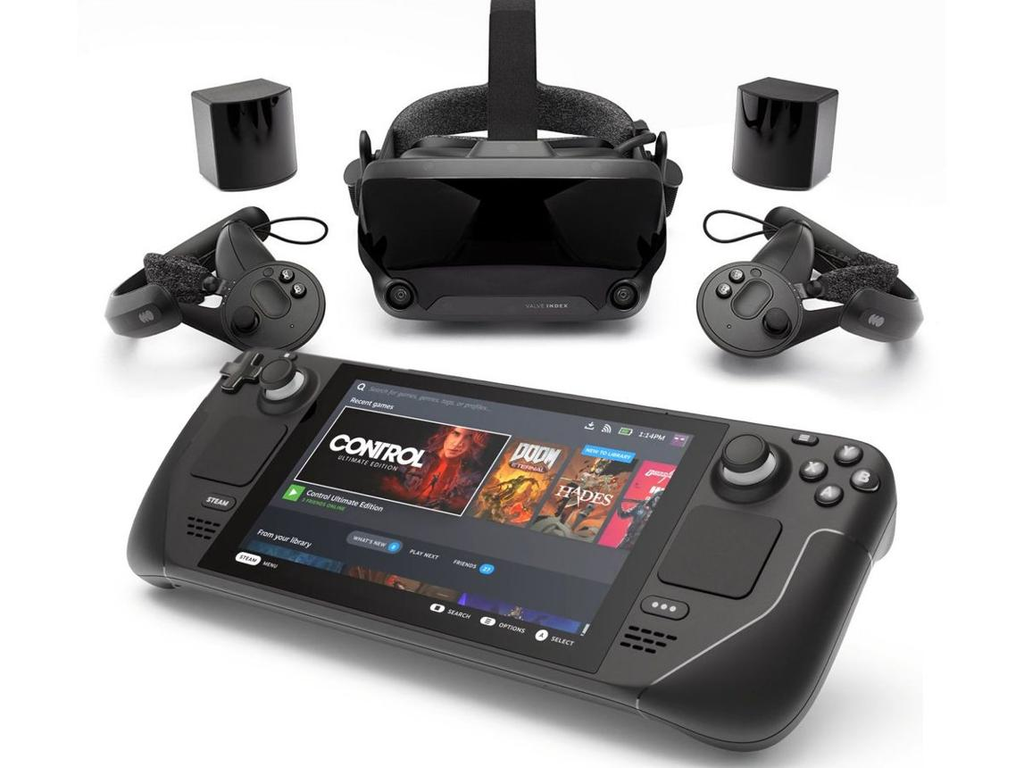
And in 2022, the Steam Deck showed that Valve could do another thing — turn Steam's massive library into a handheld console. And that was important. The Steam Deck didn't try to beat PlayStation or Xbox through exclusives. Valve placed its bet on the ecosystem it had already created.
You bought a game once on Steam — and got the ability to play it on another device. That was how Steam definitively stopped being just a Windows program.
But Steam Also Has a Dark Side
The story of Steam is not solely a success story. From the very beginning, the platform was criticized for DRM and control over digital copies. This was particularly acute during the launch of Half-Life 2. Players who bought a physical disc didn't understand why they had to register the game via the internet.
Today, this seems like standard practice, but in 2004, it was a huge shift. Over time, criticism shifted to other issues. Valve takes a significant share of revenue from Steam sales. Developers depend on the platform's algorithms. A game's visibility can dictate its commercial success. And if the majority of a studio's revenue comes through Steam, walking away from the platform is practically impossible.
In a 2025 study among over 300 executives at major US and UK gaming companies, 72% agreed at least in part with the statement that Steam is a monopoly in the PC market, and 88% stated that at least three-quarters of their revenue comes through Steam.
Legally defining Steam as a monopoly is a much more complex question. But the industry's economic dependence on Valve is obvious.
The Valve Paradox
And this is where the main paradox arises. Steam created massive opportunities for developers. A small studio of just a few people can sell its game to millions of people worldwide. Yet at the same time, this very system created a new dependence: now, developers depend on Valve.
Once, companies feared publishers and retail networks. Today, digital platforms hold much of that power. Steam became the gateway to the PC market. And Valve decides what happens behind those gates.
And What About Gabe?
Over the years, Gabe Newell himself has turned into one of the most iconic figures in the gaming industry. His image is very different from that of a typical tech corporation CEO. Valve has long been known for its unusual internal culture and relatively flat management structure.

Newell became a symbol of the company, yet Valve tried not to turn him into a public media executive. His wealth grew along with the company, and today Newell is a billionaire.
But perhaps the best way to show the scale of his success isn't the numbers in his bank account. It's his yacht.

September 12, 2003 — The Day That Changed PC Gaming
When Steam launched in 2003, no one could guarantee it would even survive. Early users complained about bugs. Gamers rejected DRM. Publishers weren't sure digital distribution would ever go mainstream. And broadband internet wasn't yet a standard in every home.
Even within the industry, few believed Valve's idea would work. Later, Newell himself recalled that roughly 99% of industry representatives did not believe in Steam as a future distribution platform.
But Valve did what it had done best throughout its history: it didn't rush. The company built a system that gradually became so convenient and massive that walking away from it became harder than adopting it.
Today, for a vast number of people, PC gaming and Steam are practically synonymous. And therein lies the true scale of Valve's revolution.
Gabe Newell didn't just create a video game store. He helped change the very concept of what a video game is after it's bought.
In 1998, Valve created Half-Life. In 2003, Steam. And after that, Valve was no longer just making games. It began setting the rules by which an entire industry lives.
As a reminder, Breath of Fire III: the dragon that grew up alongside the player.


