Getting started in Subnautica 2 can feel intimidating. Oxygen drains quickly, food options are limited, and many mechanics are not immediately explained. Still, with the right approach, the opening hours become far more manageable and enjoyable.
Players should focus on upgrading oxygen capacity early, use Water Slugs to stay hydrated, unlock Digestion before relying on local food sources, and scan as many objects as possible. Building useful tools and creating a proper base also makes progression much smoother.
In the early game, lack of oxygen is far more dangerous than aggressive creatures.
One of the first important upgrades is the Standard Air Tank. After finding Silver, crafting this item gives a significant boost to your oxygen reserve and makes longer dives much safer.
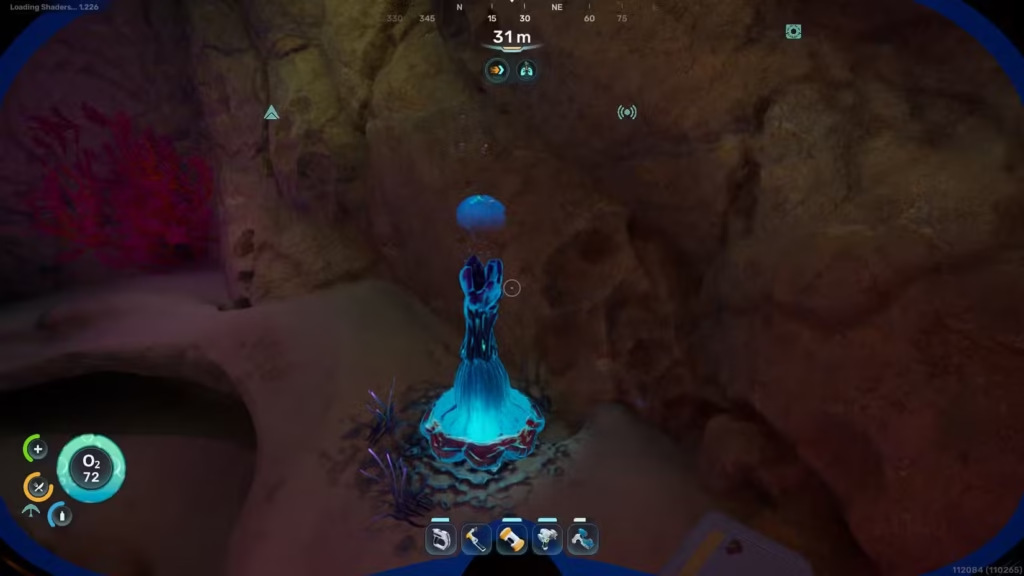
Oxygen Tunics are also extremely useful during exploration. These underwater plants release air bubbles that restore oxygen, allowing players to remain underwater for longer periods without resurfacing.
Another lifesaving tool is the Air Bladder. It can be crafted inside the Lifepod and acts as an emergency oxygen source, instantly restoring air when activated.
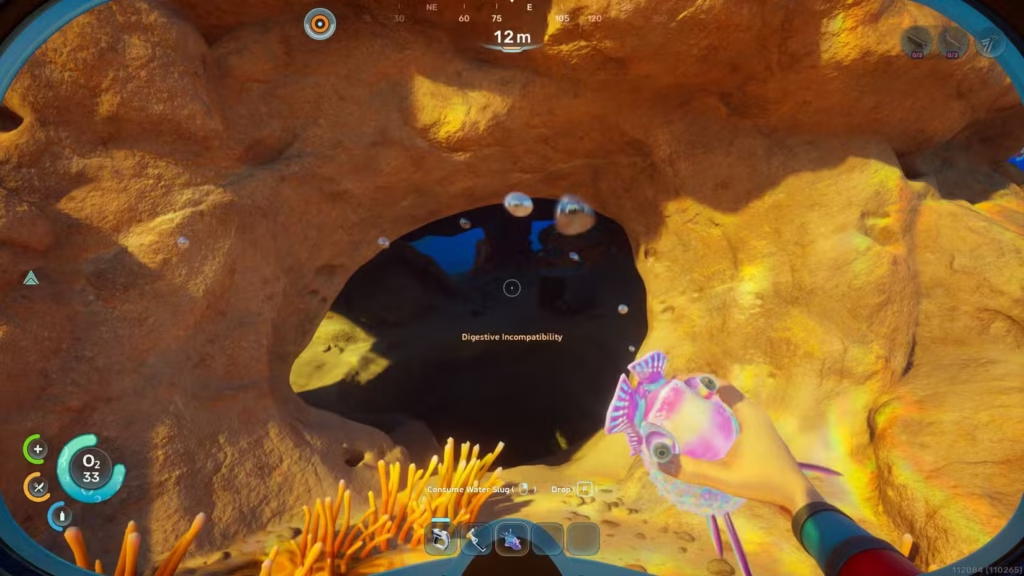
Hydration becomes simple very early in the game thanks to Water Slugs. These creatures can be processed into clean drinking water through the Fabricator.
Food, however, is more complicated at first. Players begin the game with Digestive Incompatibility, which prevents safe consumption of native organisms. Unlocking the Digestion Adaptation fixes this issue and opens access to better food sources.
Until then, Nutrient Blocks stored in the Lifepod are one of the safest options for survival.
The Scanner is one of the most valuable tools in Subnautica 2 because many blueprints and upgrades are obtained through scanning.
Players should scan nearly everything they discover, including wildlife, plants, resources, equipment, and environmental objects.
Many recipes require multiple scans before becoming available. Even after unlocking a blueprint, repeated scans still provide additional materials, making the Scanner useful throughout the game.
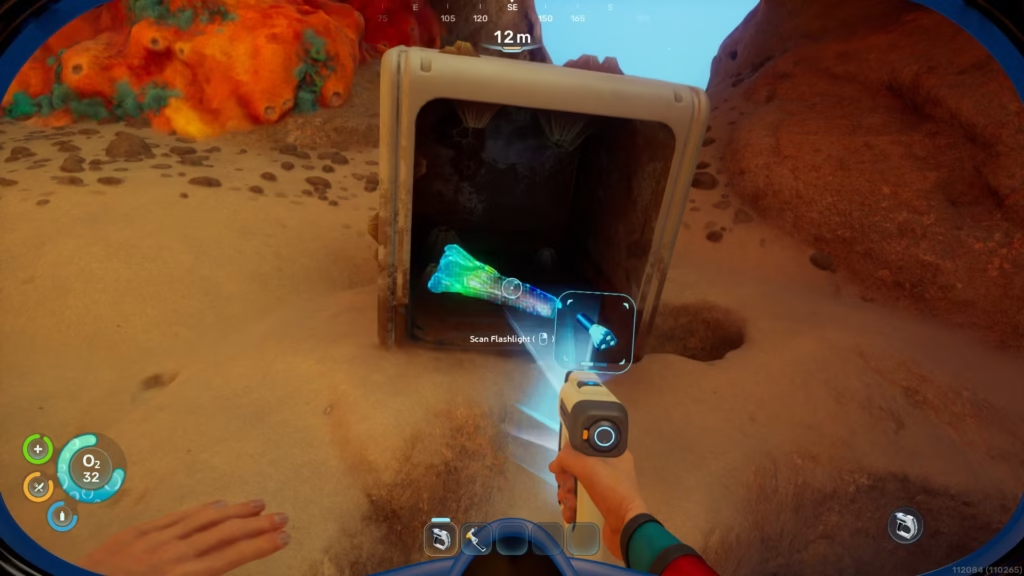
The Flashlight becomes important once players begin exploring darker underwater regions. Before crafting it, two Flashlights found in the world must first be scanned.
The Survival Multitool is another key early-game item because it unlocks access to important organic resources needed for crafting.
Later on, the Sonic Resonator becomes essential. It can destroy environmental barriers, harvest larger deposits, and open pathways into previously inaccessible areas.
With only a small number of inventory slots available at the beginning, storage management quickly becomes important.
Portable Lockers are extremely useful during exploration since they provide extra storage and can be transported back to the Lifepod.
Biobeds hidden inside Colonist Bunkers permanently expand inventory capacity, making them valuable discoveries during exploration.
While collecting resources, players should avoid grabbing everything they see. Silver and Lead are the main exceptions because both materials are heavily needed for important upgrades.
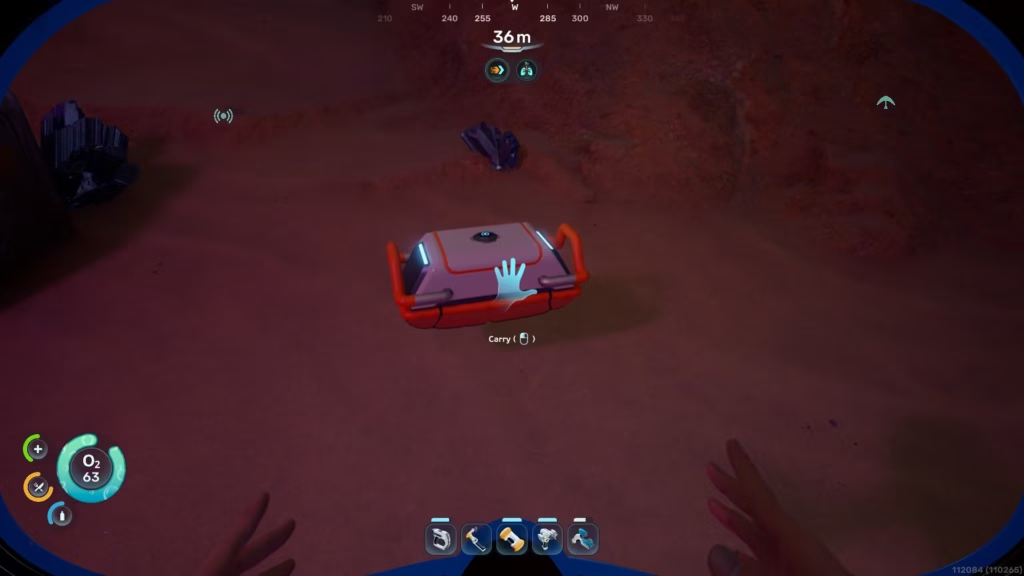
Although surviving from the Lifepod works temporarily, creating a proper base opens access to several important systems.
A base allows players to install a fully operational Fabricator capable of crafting advanced equipment. It also provides access to Scanner Stations, which help track difficult-to-find resources such as Silver and Lead.
Storage management also becomes much easier because nearby containers can automatically supply crafting materials.
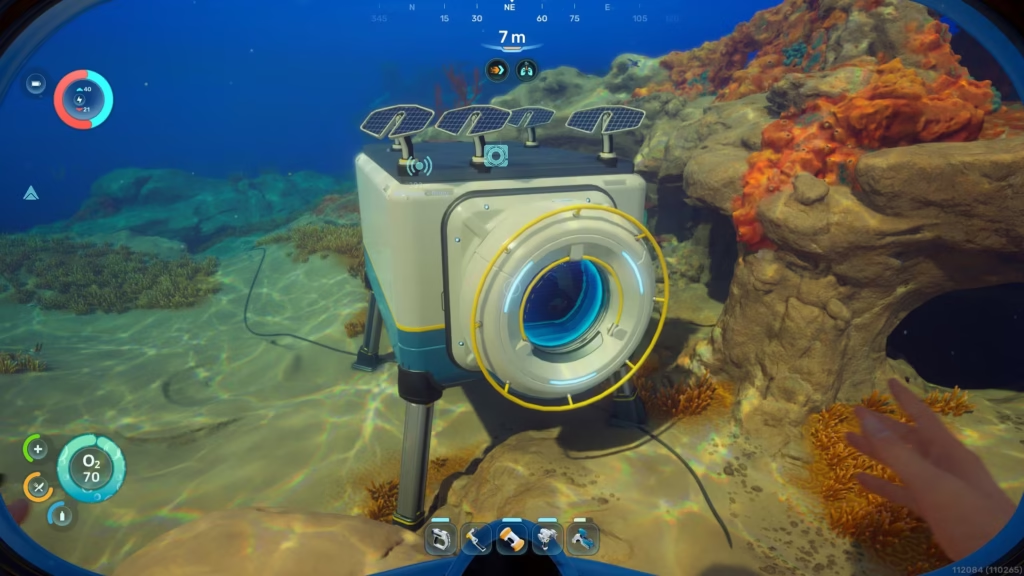
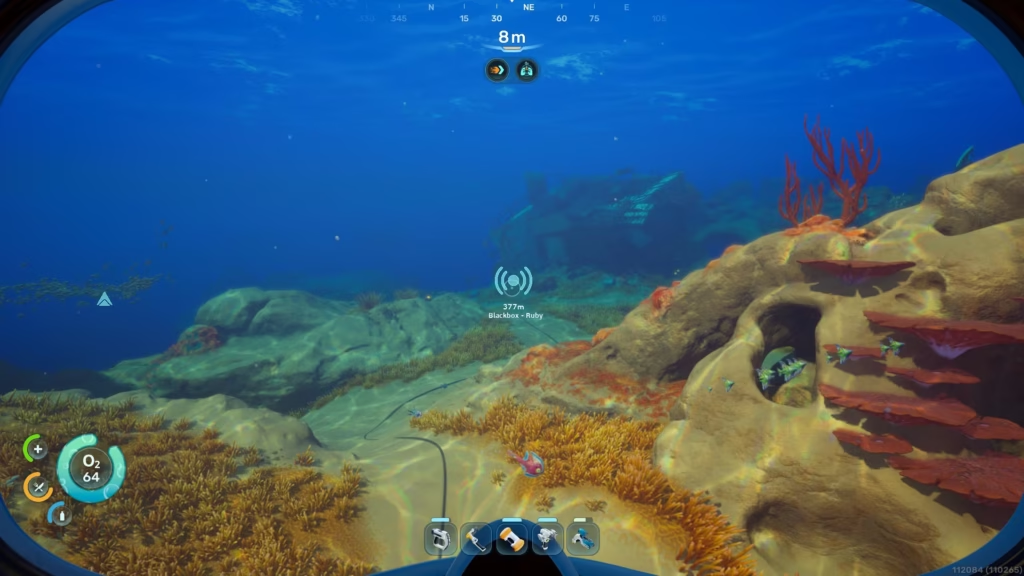
The NOA system inside the Lifepod periodically provides missions that lead players toward black box locations.
These locations often contain useful scans, new mechanics, and important Adaptations that improve survival and exploration.
The Survival Guide available through NOA can also help players understand what to focus on during the early stages of the game.
Not every obstacle can be overcome immediately in Subnautica 2.
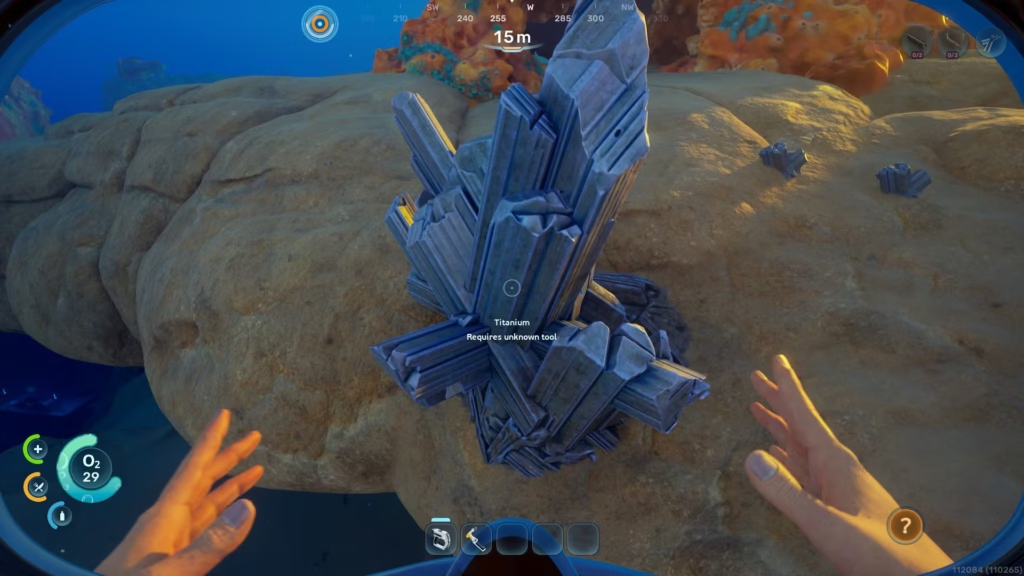
If players encounter the message “Requires Unknown Tool,” it means they have not yet unlocked the required piece of equipment and should return later.
Certain environments also require specific Adaptations. Hot regions, for example, become safe to explore only after unlocking Heat Tolerance.
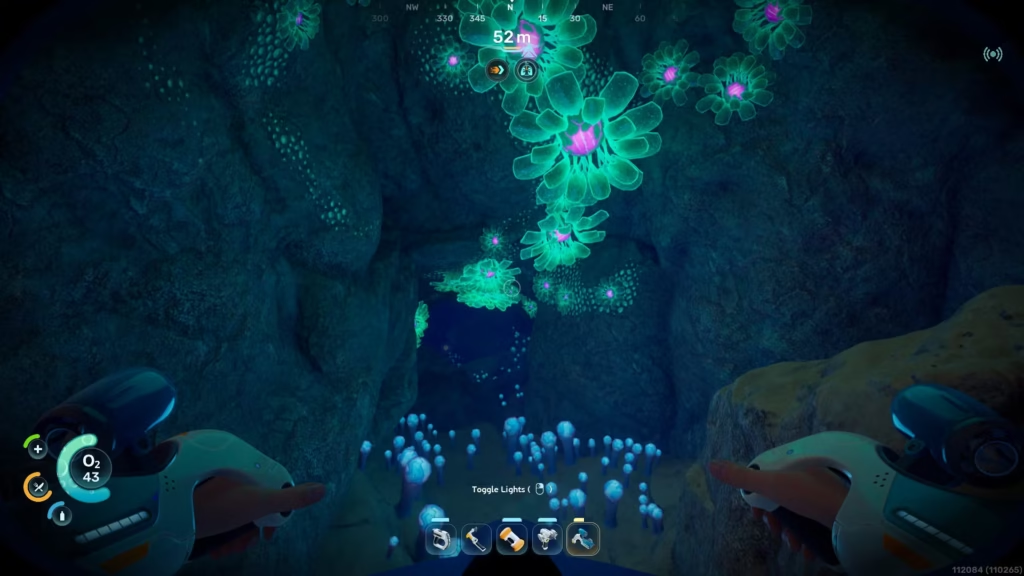
Swimming speed feels fairly slow at the beginning, but several upgrades improve movement considerably.
Fins provide a basic speed increase and can be crafted relatively early. Biomods unlocked through Biolabs offer even more advanced mobility options.
The Dash Biomod allows quick directional boosts, while Sea Skimmer increases movement speed near the surface and seabed.
The Wakemaker is another valuable mobility tool because it improves underwater maneuverability and also functions as a built-in light source.
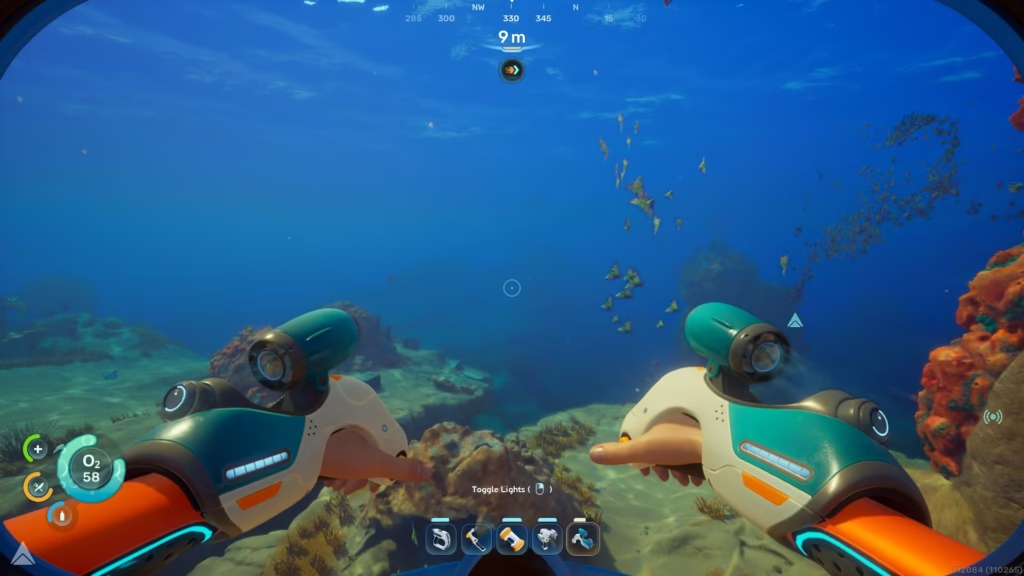
Rushing toward objectives is not always the best strategy in Subnautica 2.
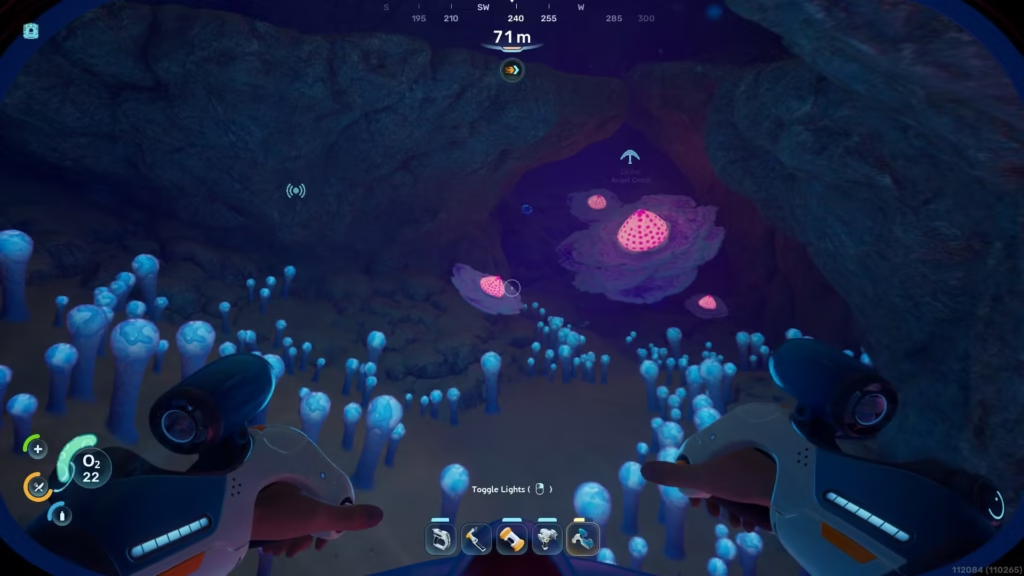
Wrecks, caves, and abandoned structures frequently hide rare scans, important upgrades, and additional inventory expansions.
Some valuable materials are also easy to miss without careful observation. Returning to previously explored areas after unlocking better equipment often reveals new pathways, hidden resources, and secrets that were inaccessible earlier.си та секрети.
As a Reminder, GTA Online Is Giving Away the Exclusive Rockstar Racing Outfit.


