On November 3, 2011, Super Mario 3D Land, a platform game developed by Nintendo, was released in Japan. It became one of the most important games for the Nintendo 3DS handheld console. The developers faced a challenging task: preserving the familiar formula of Mario's classic 2D adventures while transferring it into a fully 3D environment. The result was a game that combined traditional platforming with the technologies of its time and eventually sold nearly 13 million copies.
Following the release of Super Mario Galaxy and Super Mario Galaxy 2, Nintendo had already gained considerable experience creating 3D Mario adventures. However, the development team did not want to simply transfer the familiar formula to a handheld console. The Nintendo 3DS had its own unique features, while shorter gaming sessions and the ability to play on the go required a different approach to level design.
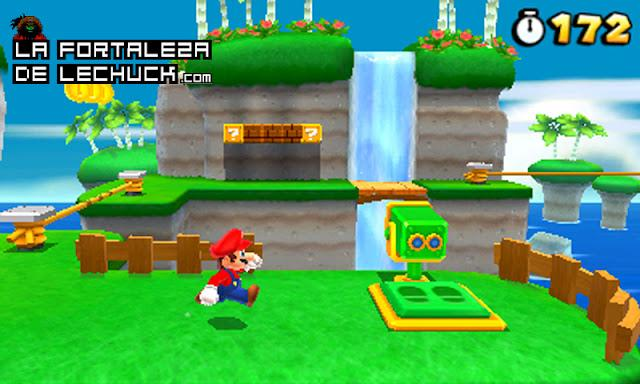
During a conversation with Nintendo president Satoru Iwata, project director Koichi Hayashida explained that development began with the word "reboot." The team decided to rethink the basic principles of 3D Mario games to create a compact adventure that would be convenient for a handheld format. Hayashida also wanted to make a game that would help fans of classic 2D platformers become familiar with the series' 3D adventures.
One of the main goals was to bridge the gap between the two formats. In classic Mario games, players mostly moved in one direction, and completing a level meant reaching the flagpole. In the series' 3D installments, on the other hand, players had to explore large areas and search for hidden stars.
In Super Mario 3D Land, the developers decided to bring back the familiar flagpole at the end of each level. At the same time, they did not abandon exploration: they added special Star Medals that players had to find in different parts of the levels. This approach made it possible to combine a simple main objective with additional challenges for those who wanted to explore every corner of the game.
The story of Super Mario 3D Land continues the series' traditional narrative. Following an unusual event involving a tree growing near Princess Peach's castle, Bowser kidnaps her once again. Mario sets off on a journey to rescue the princess, overcoming obstacles, enemies, and challenges on his way to the main antagonist.
The gameplay is built around completing individual levels that gradually become available on the world map. Unlike the large open environments of Super Mario 64 or Super Mario Galaxy, most locations here have a clearly defined route to the finish. At the same time, the levels are not limited to simply moving forward: players need to find secrets, collect coins, and search for three Star Medals.
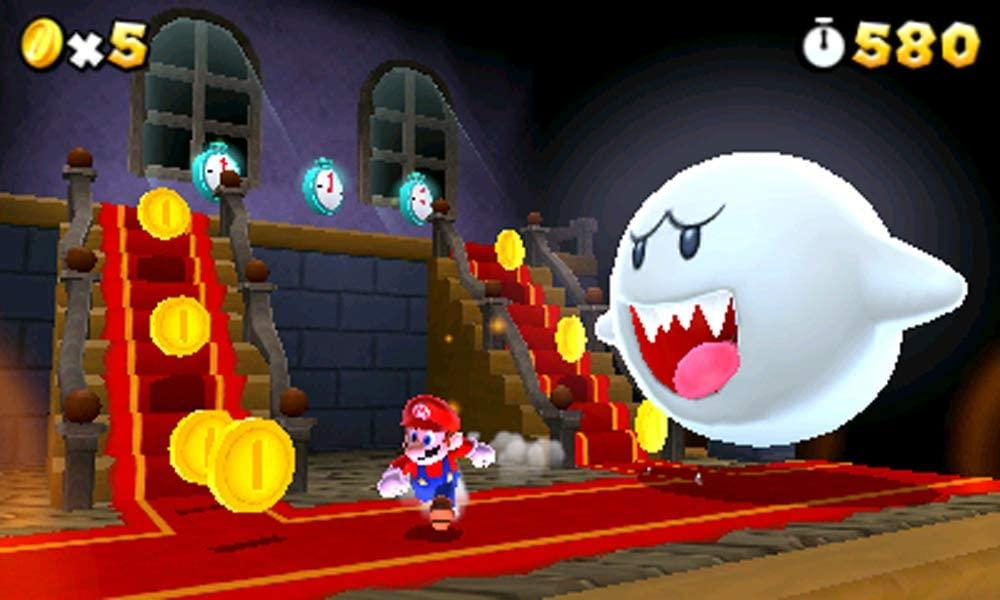
The main campaign consists of eight worlds, after which additional special worlds become available. They offer more difficult challenges and require players to make better use of Mario's abilities. As a result, the game does not end after defeating Bowser — completing it fully requires considerably more effort.
The control system was another important part of Super Mario 3D Land. The developers wanted to make it understandable even for players who had never played a 3D platformer before. The camera and level design helped players navigate the environment, while familiar jumping mechanics and interactions with enemies preserved the feel of classic Mario.
One of the game's main features was the return of the Tanooki Suit, which first appeared in Super Mario Bros. 3. It allowed Mario to slow his descent and cover greater distances while jumping. This was especially useful in a 3D environment, where players sometimes found it more difficult to judge the distance to the next platform.
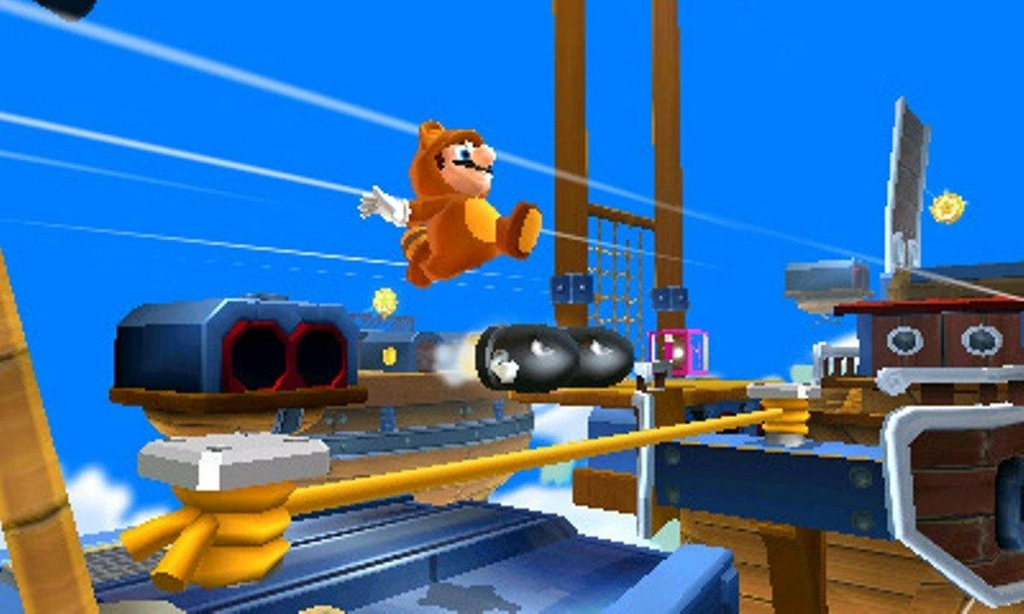
According to the developers, the need to help players control their jumps more effectively was one of the reasons behind bringing this ability back. The team even considered using a raccoon suit, but ultimately chose the Tanooki Suit because it was easier to distinguish from regular Mario.
Other abilities also appeared in the game. The Fire Flower allowed players to attack enemies with fireballs, while the Boomerang Suit made it possible to throw projectiles and retrieve them. Players could also use a special Propeller Box that helped them rise into the air.
The developers did not simply bring back old abilities but adapted them to the 3D environment. For example, fireballs could bounce off walls, creating additional opportunities to interact with the surroundings. In this way, familiar elements of the series found new applications.
Super Mario 3D Land became one of the games that best demonstrated the Nintendo 3DS's main feature — stereoscopic 3D visuals without special glasses. Players could enable the effect and see the depth of the game world, which was particularly useful when jumping between platforms.
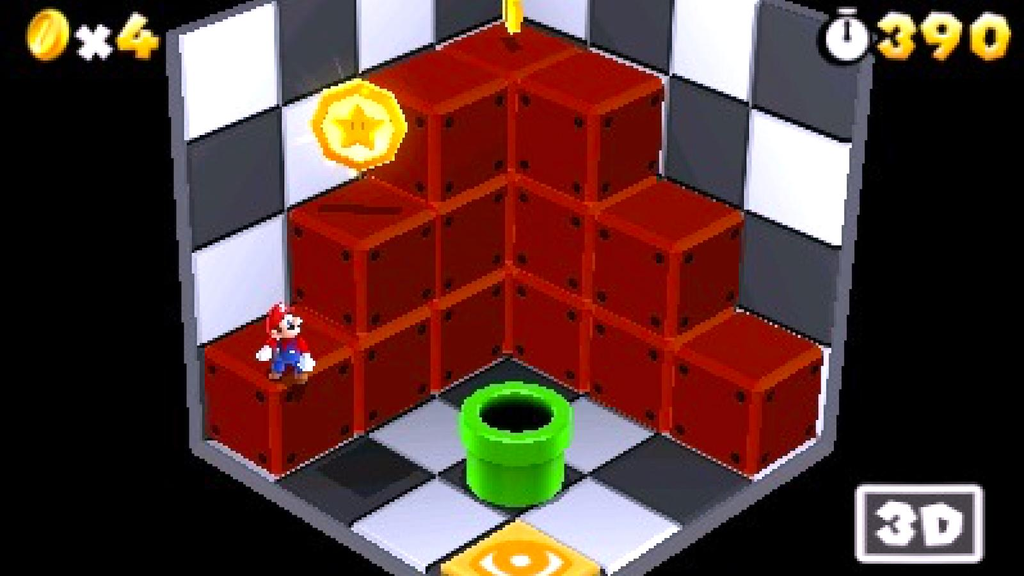
This technology was not merely a visual feature. It helped players better judge distances and the positions of objects. At the same time, the developers considered those who did not want to use the 3D effect: the game could also be played with a regular 2D image.
During development, the team also faced the technical limitations of the Nintendo 3DS. In an interview with GameSpot, director Koichi Hayashida noted that the struggle with performance limitations continued almost until the game's development was complete. In particular, he wanted to achieve a frame rate of 60 frames per second, as in previous major 3D games in the series, but the team eventually settled on 30 frames per second.
Despite this, the developers managed to create a colorful and detailed game that made use of the handheld console's capabilities while maintaining smooth and accessible gameplay.
Super Mario 3D Land received very positive reviews upon release. Critics praised its successful combination of the series' classic mechanics with 3D environments, thoughtful level design, variety of abilities, and effective use of the Nintendo 3DS's capabilities.
The game also became an important release for the console itself. In January 2012, Nintendo announced that Super Mario 3D Land had already sold more than 5 million copies worldwide. At the time, it was the most successful game for the Nintendo 3DS, surpassing even Mario Kart 7.
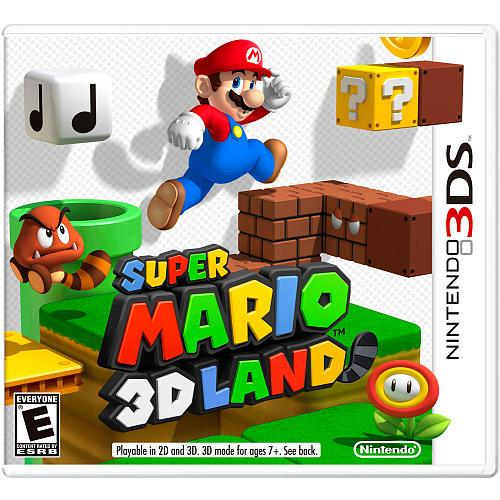
Sales continued to grow over time. According to Nintendo's official figures as of March 31, 2026, total sales of Super Mario 3D Land reached 12.89 million copies. This made it one of the most successful games for the Nintendo 3DS throughout the platform's lifetime.
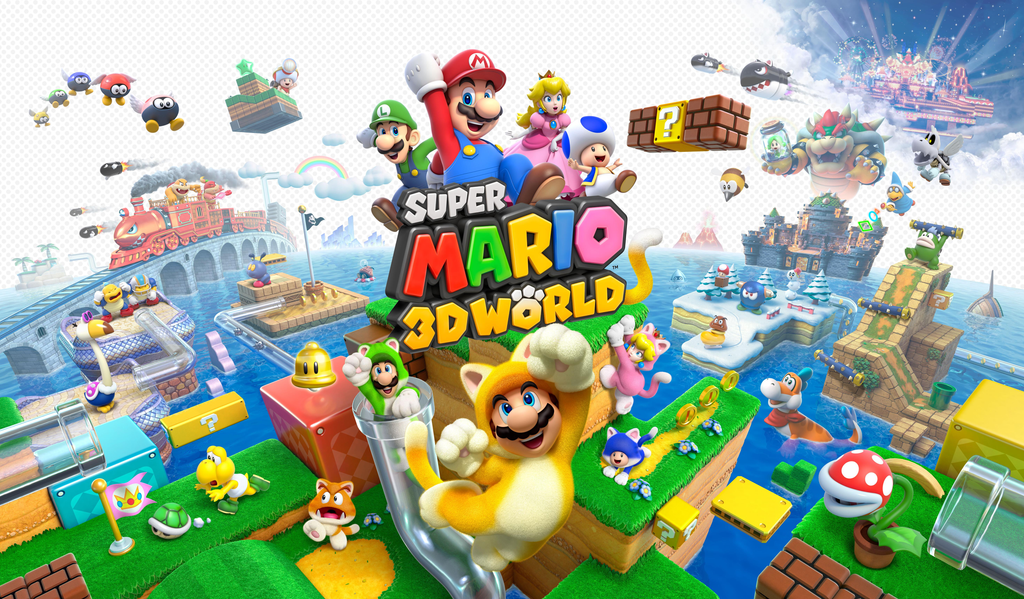
The success of Super Mario 3D Land also influenced the further development of 3D Mario adventures. In 2013, Nintendo released Super Mario 3D World for the Wii U — a game that continued the ideas of its predecessor but offered larger levels, new abilities, and cooperative gameplay for multiple players.
Later, Super Mario 3D World received an expanded re-release for the Nintendo Switch under the title Super Mario 3D World + Bowser's Fury. Meanwhile, the original Super Mario 3D Land remained an important part of Nintendo 3DS history and an example of how an established series could be adapted to a new format without losing its core features.
The game demonstrated that a 3D platformer did not necessarily have to be a massive open-world adventure. Thanks to its short levels, clear objectives, and additional secrets, Nintendo managed to create an experience that was equally well suited to short gaming sessions and extended playthroughs.
Super Mario 3D Land became more than just another adventure starring a famous character. It was an important milestone in the development of the series. It combined the legacy of classic platformers with the new capabilities of a handheld console and proved that Mario could successfully adapt to different generations of gaming systems.
As a reminder, RollerCoaster Tycoon 3 — how Frontier brought the legendary theme park simulator into 3D.


