On August 5, 1995, Super Mario World 2: Yoshi’s Island was released in Japan for the Super Nintendo Entertainment System. At first glance, it was just another game in the Mario universe, but in reality, Nintendo created a project that overturned conventional ideas about platformers. It not only gave Yoshi his own story, but also proved that a bold art style, unconventional game design, and innovative technologies could remain relevant for decades.
Prior to the release of Yoshi’s Island, all of Nintendo’s major adventures were inextricably linked with Mario. This time, the company took a risk: the main character became the green dinosaur Yoshi, who had to save Baby Mario and deliver him to his brother Luigi after an attack by Baby Bowser's henchmen.
It wasn't just the main protagonist that changed, but the entire gameplay formula.
Instead of classic jumps on enemies, players received a whole suite of new mechanics: swallowing opponents, turning them into eggs, an aiming-and-throwing system, Yoshi transforming into vehicles, and exploring large, interactive levels.
The game no longer forced players to simply run forward — it encouraged experimenting, searching for secrets, and interacting with the surrounding world.
In the mid-1990s, the gaming industry was practically living through the transition to 3D graphics. Following the success of Donkey Kong Country, Nintendo’s marketers also wanted to see a technologically "realistic" project featuring pre-rendered models.
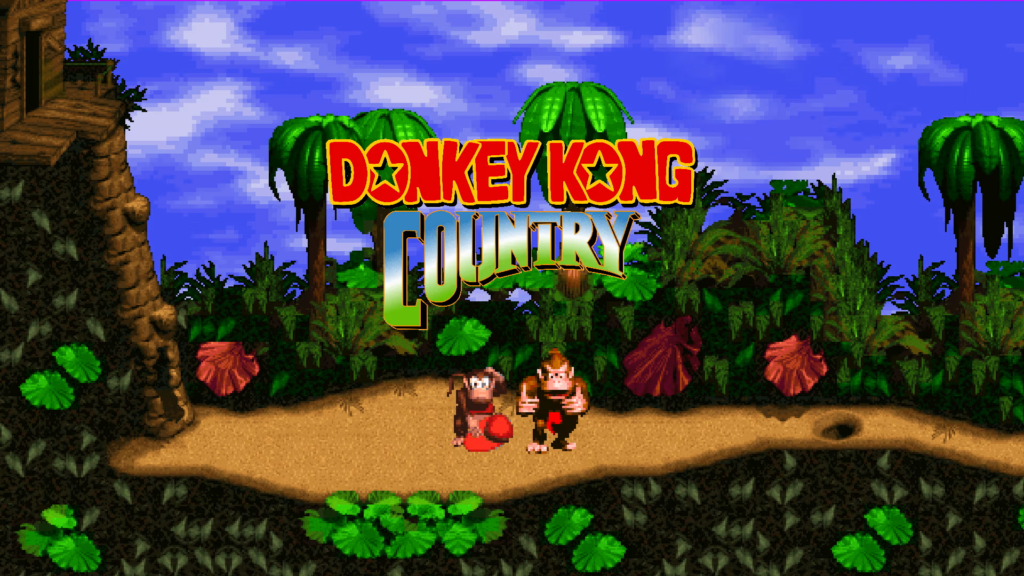
However, Shigeru Miyamoto’s team consciously chose the opposite path. Instead of showcasing technical muscle, the artists created a world that looked as if it were drawn with children's colored pencils, wax crayons, and felt-tip pens. Soft pastel colors, uneven outlines, and watercolor backgrounds made the game look like a living sketchbook. This decision became one of the most important milestones in the evolution of video game art.
While many early 3D games quickly aged visually due to technological limitations, Yoshi’s Island still looks remarkably modern today. It was the game that proved strong stylization ages far slower than the pursuit of photorealism. This approach inspired dozens of future projects, including Paper Mario, Okami, Yoshi’s Woolly World, and countless modern indie hits.
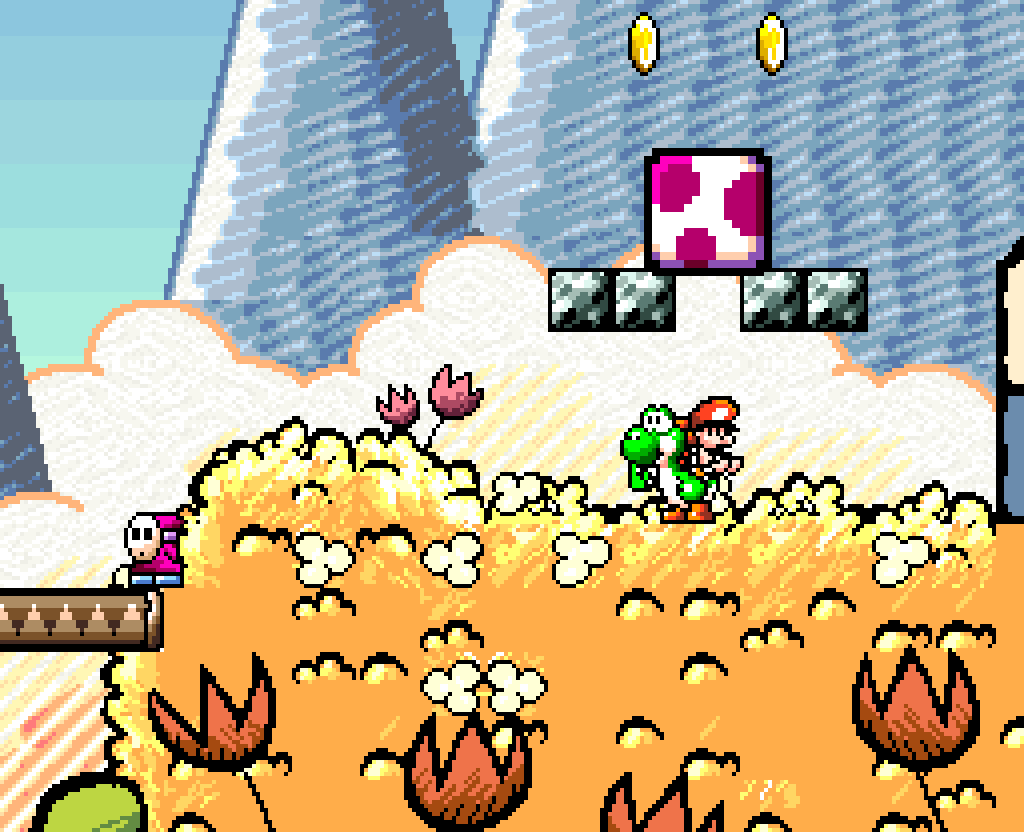
Another major achievement was the Super FX 2 microchip built directly into the cartridge. It was this chip that allowed the 16-bit SNES to execute effects that seemed nearly impossible for their time.
The developers implemented:
In fact, Nintendo proved that even at the end of the SNES's lifecycle, the console could still surprise with technological solutions.
Many elements of Yoshi’s Island are taken for granted today, making it hard to believe they were once groundbreaking.
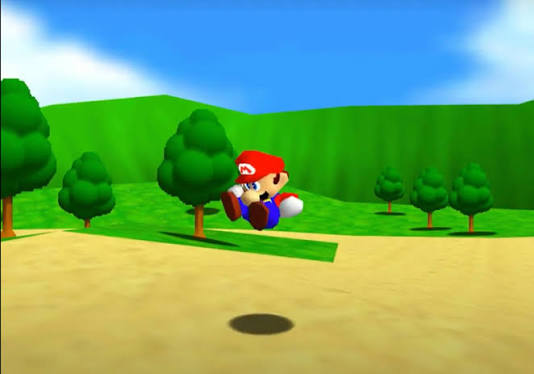
It was here that the Ground Pound — slamming into the ground during a fall — gained popularity. Thanks to it, players could break blocks, uncover secrets, and attack enemies. Just a year later, this mechanic became an integral part of Super Mario 64, and later appeared in dozens of other platformers.
Equally important was the Flutter Jump — Yoshi’s signature hovering in mid-air. It allowed for more precise jump control, opened up new routes, and made controls significantly more comfortable.
Today, a similar mechanic can be found in a vast number of platformers.
One of the most unconventional ideas was the damage system. Instead of the usual lives or the "one hit equals death" principle, Nintendo proposed a completely different concept. Upon taking damage from an enemy, Baby Mario would float off Yoshi's back in a protective bubble, and the player had only a few seconds to catch him. If the timer ran out, the level had to be restarted. Thus, taking damage did not punish players instantly; instead, it created intense psychological pressure and forced them to quickly rectify their mistakes.
A similar approach was later adopted by dozens of modern games that grant players a brief second chance to save the situation after taking a hit.
Even today, Yoshi’s Island is considered one of the finest examples of level design. Each level is built to constantly introduce the player to new mechanics without ever overwhelming them with information. Beyond simply reaching the finish line, the game motivated players to explore the map. To achieve a maximum rating, one had to:
That is why, even after finishing the story, players eagerly returned to familiar levels.
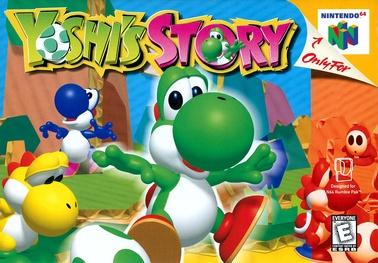
Prior to 1995, Yoshi was merely Mario's sidekick. After the release of Yoshi’s Island, everything changed. The game turned the dinosaur into an independent hero and launched a standalone series, which subsequently included
It was also here that characters who became an integral part of the Nintendo universe first appeared:
In the future, they repeatedly returned in other games from the company.
More than three decades have passed, yet Super Mario World 2: Yoshi’s Island remains a benchmark of the genre. It transformed perceptions of art style in video games, showed that technical limitations could be turned into an advantage, gifted platformers new mechanics, and launched a standalone franchise.
It is not merely one of Nintendo’s best games. It is a project that proved to the entire industry that a true classic is born not when developers chase technology, but when they create unique ideas capable of standing the test of time.
As a reminder, on August 4, Fall Guys took the world by storm: How a game about funny "beans" became the pandemic's biggest hit and why it lost its magic?


