October 14, 2014 marked the release of The Evil Within, a survival horror game developed by Japanese studio Tango Gameworks, founded by Shinji Mikami. The game was released on PC, PlayStation 3, PlayStation 4, Xbox 360, and Xbox One, with Bethesda Softworks serving as its publisher.
For Mikami, the project was particularly significant. He had previously been one of the key figures behind Resident Evil and became one of the most influential creators in the development of the survival horror genre. After working on Resident Evil 4, Mikami decided to establish a new studio and return to the genre with an entirely new story.
Shinji Mikami began working at Capcom in the late 1980s. It was there that he got the opportunity to work on projects that would eventually define his career. In 1996, the original Resident Evil was released, directed by Mikami.
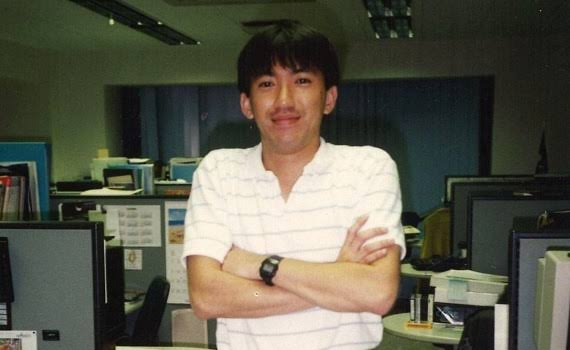
The game became one of the defining examples of the survival horror genre at the time. Limited resources, dangerous enemies, a dark atmosphere, and a constant sense of danger forced players not simply to shoot, but to carefully consider every move.
Years later, Mikami worked on another landmark title — Resident Evil 4. It significantly changed the series' formula by putting greater emphasis on more dynamic combat and spectacle.
After working on that project, Mikami wanted to return to a different approach — survival horror where the player once again felt weaker than the world around them.
In 2010, he founded Tango Gameworks, and several years later the studio unveiled its first major project — The Evil Within.
The main character of The Evil Within is Sebastian Castellanos. Together with his partners, he arrives at Beacon Mental Hospital, where a mass killing has taken place.
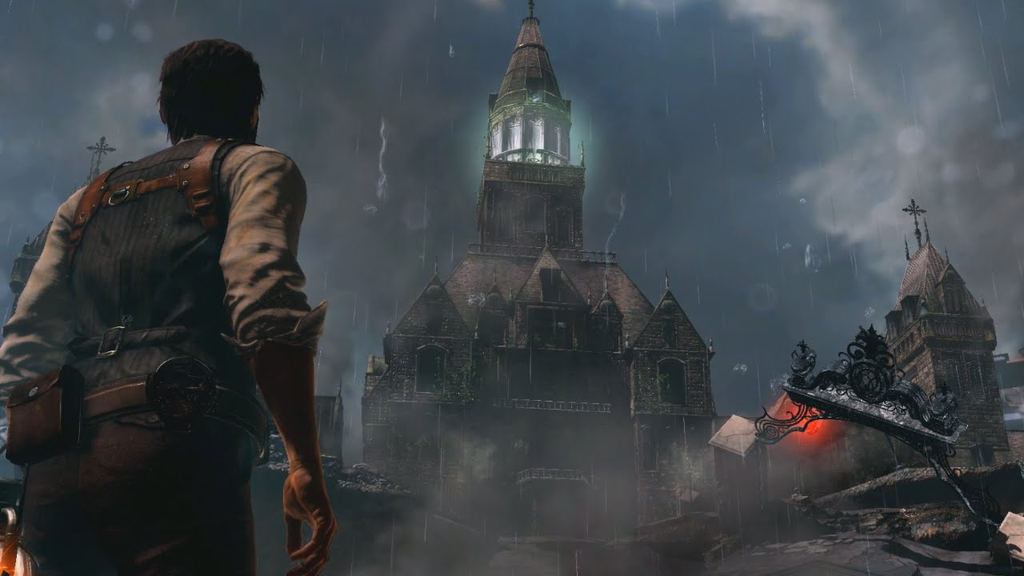
However, the investigation quickly turns into a nightmare. Sebastian is pulled into a mysterious world where the line between reality and illusion practically disappears.
One of the game's key features is precisely this uncertainty: the player cannot always understand what is actually happening. Locations can change, familiar places can transform into something completely different, and events often refuse to follow ordinary logic.
This allowed the developers to create an atmosphere of constant uncertainty. The player could never be completely sure that the next room would be safe.
The Evil Within returned in many ways to the classic survival horror formula.
Ammunition and other resources were limited. As a result, simply shooting every enemy was far from the best strategy. Sometimes it was much smarter to avoid an enemy or simply run away.
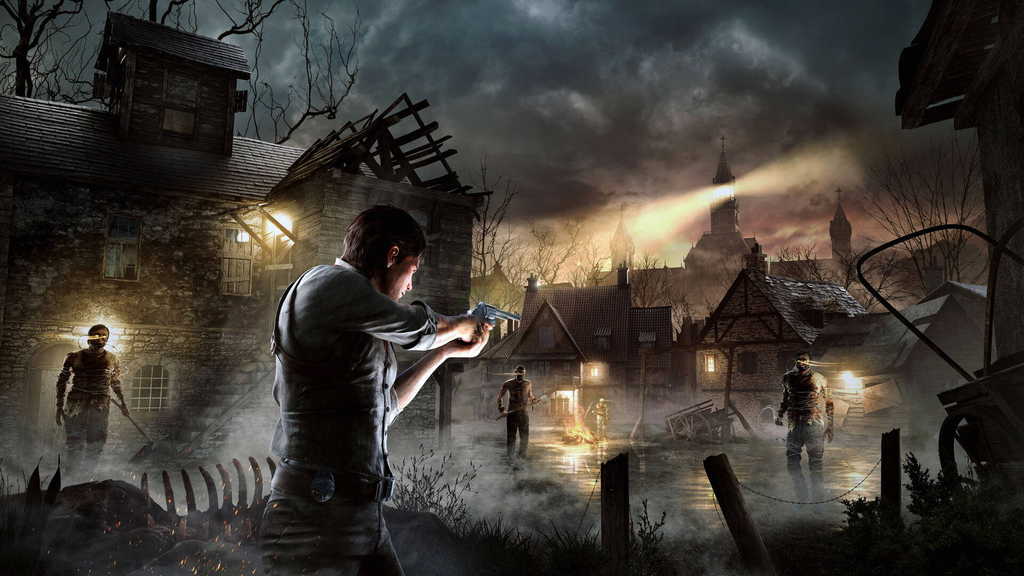
One particularly important mechanic was the ability to burn enemies. Some enemies could be set on fire after being knocked to the ground. This allowed players to conserve ammunition, but at the same time required them to assess each situation carefully.
The game constantly asked the player a simple question: is it worth spending this resource now, or will it be needed later?
These decisions created much of the tension. Even after defeating an enemy, there was not always a feeling of safety, because the next encounter could be much more difficult.
One of the most recognizable figures in The Evil Within was Laura — a terrifying creature with long hair and unnatural movements.
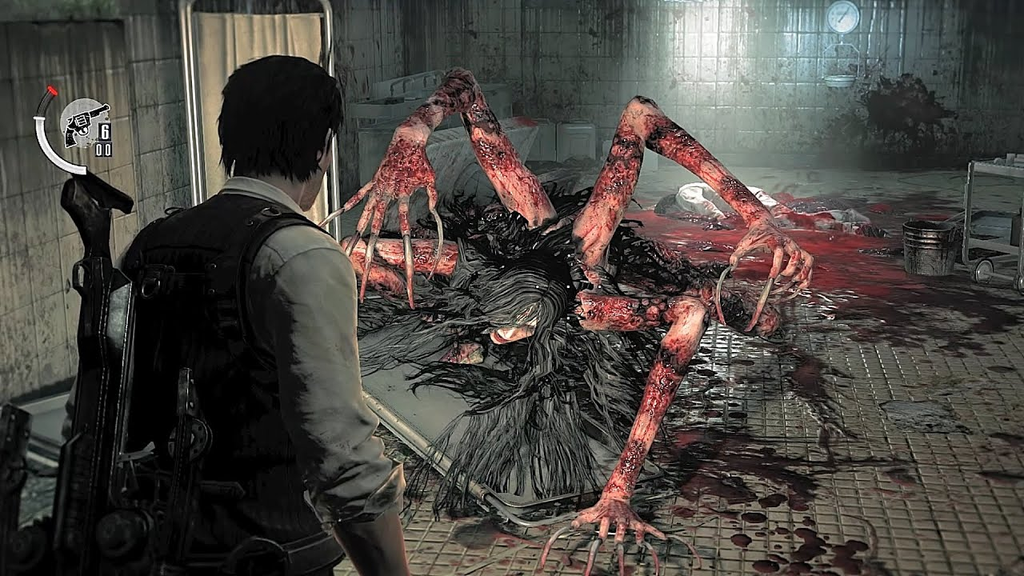
Encounters with her were not designed like ordinary fights. Laura pursued Sebastian, forcing the player to find a way to escape or use the surrounding environment.
And she was far from the only dangerous enemy. The game's world is filled with various creatures that differ in their behavior and methods of attack.
Traps became another important part of the atmosphere. The developers actively used them to create tension: wires, explosive mechanisms, and other dangers could be waiting right in the middle of the path.
As a result, even exploring an ordinary corridor could become a potentially dangerous situation.
The Evil Within never tried to be a bright or comfortable game. Almost its entire world is built around dark colors, blood, destruction, and gloomy locations.
Players have to move through hospitals, underground areas, villages, forests, and other places that constantly change.
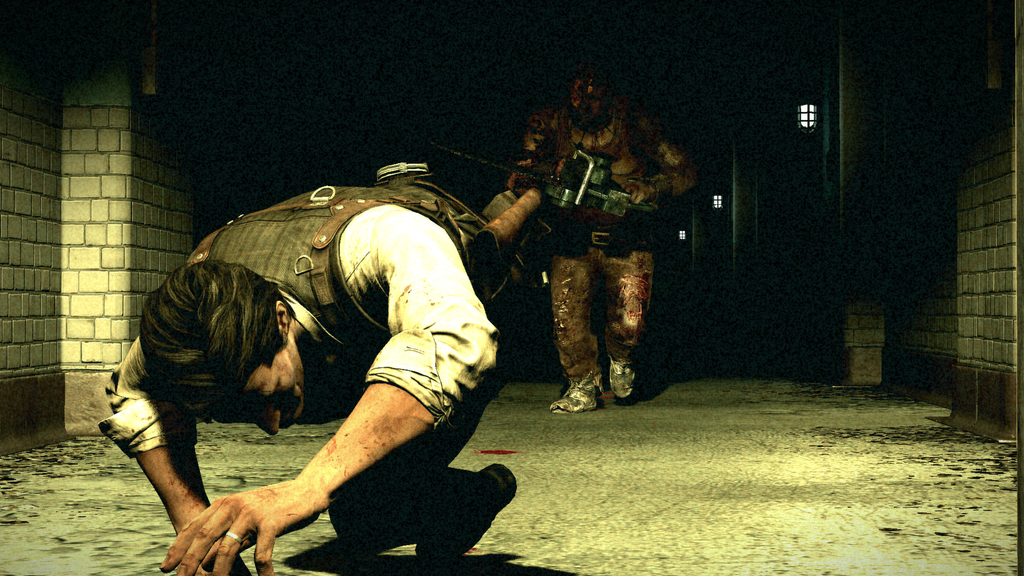
Lighting plays an especially important role. Darkness often hides enemies, while a flashlight or another source of light becomes not merely a visual element, but part of survival.
At the same time, the game does not rely on just one type of horror. It features classic chase sequences, psychological horror, surreal locations, and moments when the player simply cannot understand what is happening.
Sebastian himself is an important part of the story. At the beginning of the game, he appears as an experienced detective who is accustomed to dealing with dangerous situations.
But the world of The Evil Within gradually destroys his confidence.
Sebastian is forced not only to fight monsters, but also to confront his own past and understand the reasons behind everything happening around him.
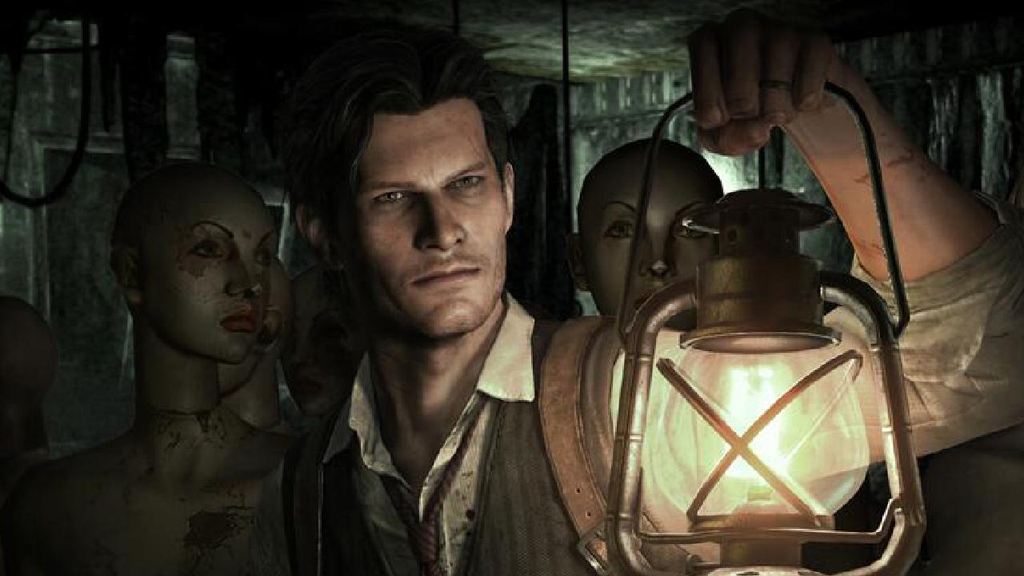
The game gradually reveals its story through him. At first, the events seem like a collection of incomprehensible nightmares, but as the story progresses, connections between them begin to emerge.
For Shinji Mikami, The Evil Within was an opportunity to return to the genre that had defined a significant part of his career.
At the same time, it was not an attempt to simply recreate Resident Evil. Tango Gameworks created its own world, characters, and mythology.
The game combined classic survival horror principles with more modern third-person mechanics. There were shooting, character upgrades, different weapons, and large-scale story sequences, but the most important element remained — a constant sense of danger.
The Evil Within also demonstrated that survival horror does not have to rely solely on jump scares. Much of the fear came from anticipation, uncertainty, and the knowledge that there might simply not be enough resources for the next battle.
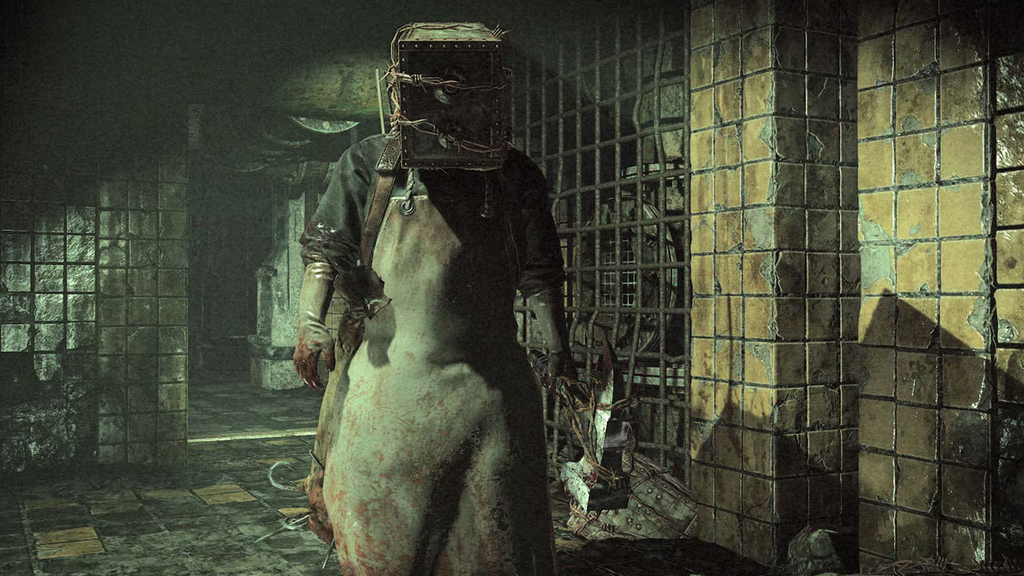
October 14, 2014, marked the release of The Evil Within, Tango Gameworks' first major game and a kind of statement from Shinji Mikami at a new stage of his career.
The project received mixed reviews, but it developed its own audience and demonstrated that classic survival horror still had a place in the modern video game industry.
Most importantly, the story did not end there. In 2017, Tango Gameworks released The Evil Within 2, which continued the story of Sebastian Castellanos and expanded upon the concept of the original game.
Today, The Evil Within remains an important part of survival horror history. It combined the experience of the creator of Resident Evil with a new vision of the genre and became the first major step for Tango Gameworks.
And for Shinji Mikami himself, it was a chance to return once again to where one of the most important chapters of his career had begun.
As a reminder: Uncharted 2: Among Thieves — How Naughty Dog Turned Drake’s Adventures into a Blockbuster Epic.


