On July 28, 1997, The King of Fighters ’97 made its debut in Japanese arcades—one of the most important entries in SNK's iconic fighting game series. This exact game brought a conclusion to the Orochi Saga, which had been developing over three years and became one of the most famous storylines in the genre's history.
Even nearly three decades later, KOF ’97 remains a benchmark for many fighting game fans, and its characters have long since become gaming industry icons.
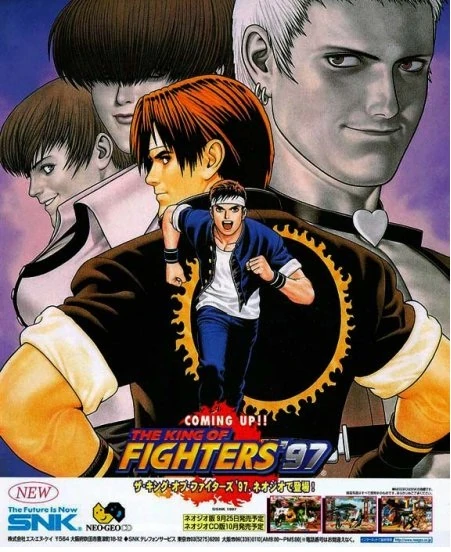
The history of The King of Fighters began in 1994, when Japanese company SNK decided to unite heroes from its most popular franchises into a single project. The new fighting game featured characters from Fatal Fury, Art of Fighting, Ikari Warriors, Psycho Soldier, and other games.
Unlike most competitors at the time, KOF offered an entirely new battle format: 3v3 team fights. Instead of a single character, players selected three fighters at once, switching between them after each defeat. This exact system became the series' defining feature and made matches far more strategic.
Another innovation was the annual release of new installments. SNK regularly updated the character roster, mechanics, and storyline, allowing the series to quickly gain massive popularity in arcades across Japan, China, South Korea, and Latin American countries.
By the time The King of Fighters ’97 was released, the storyline centered around the ancient deity Orochi had been ongoing for three years. It was this narrative that united most of the series' main heroes.
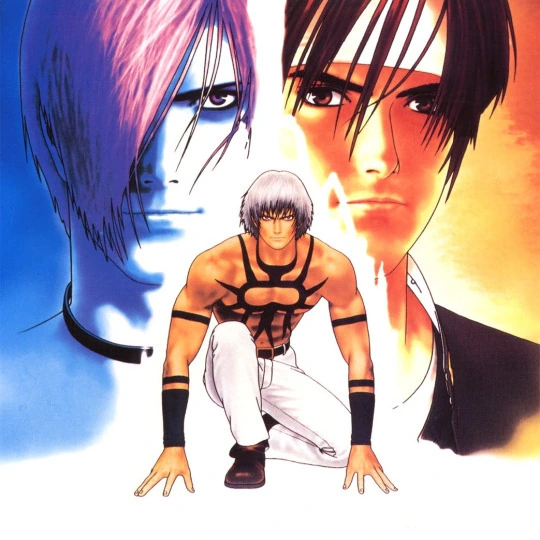
Players witnessed the showdown between Kyo Kusanagi, Iori Yagami, Chizuru Kagura, and the powerful Orochi—the final conflict that shaped the future development of the entire The King of Fighters universe.
The conclusion of the saga became one of the main reasons for KOF ’97's popularity. For many fans, it was the culmination of a story they had been following since 1995.
The King of Fighters ’97 became one of the most experimental entries in the franchise.
The most significant innovation was two completely different battle modes:
This allowed every player to choose the style that best suited their playstyle.
In addition, KOF ’97 featured one of the largest character rosters at the time, secret heroes, hidden bosses, and the ability to create custom teams by combining fighters from various SNK franchises.
This freedom of choice made the game extraordinarily popular among professional players.
One of the main reasons for The King of Fighters' success was its charismatic characters. Many of them have long transcended the series to become recognizable fighting game icons alongside heroes from Street Fighter or Tekken.
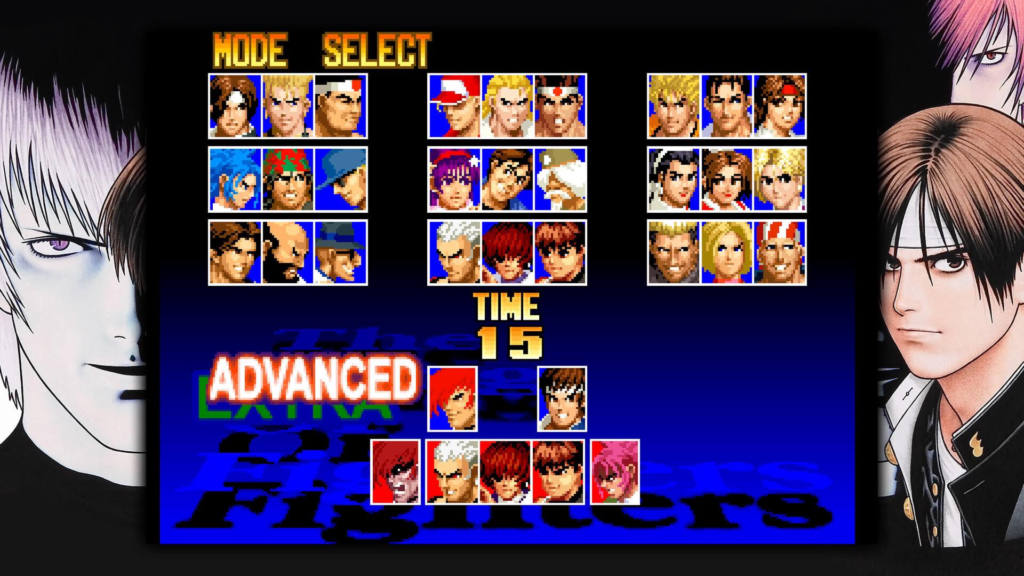
Among the most famous characters of the franchise:
These exact heroes appear most frequently in modern collaborations, promotional campaigns, and new entries in the series, having become true symbols of The King of Fighters for many players.
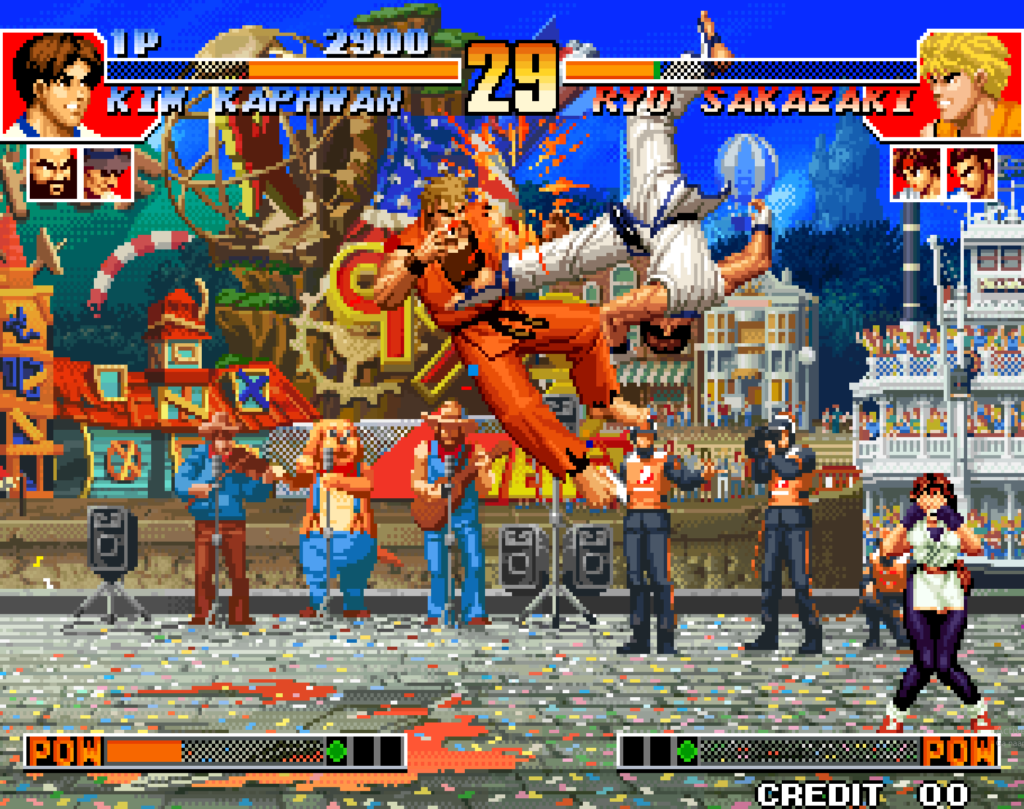
Despite its respectable age, The King of Fighters ’97 has still not disappeared from the scene.
Retro tournaments dedicated specifically to this entry are held regularly in China, Mexico, Brazil, and other countries. For many fans, it remains the best game in the franchise to this day thanks to its balance, fast-paced combat, and iconic character roster.
Following digital re-releases, KOF ’97 received new life on modern platforms, allowing a younger generation to experience a genre classic.
The franchise's popularity led to numerous collaborations with other games.
The most successful has been the partnership with Mobile Legends: Bang Bang, ongoing since 2019. Over this time, the game hosted several waves of crossovers, introducing themed skins for Athena Asamiya, Iori Yagami, Leona, K’, Kula Diamond, Kyo Kusanagi, Mai Shiranui, and Terry Bogard.
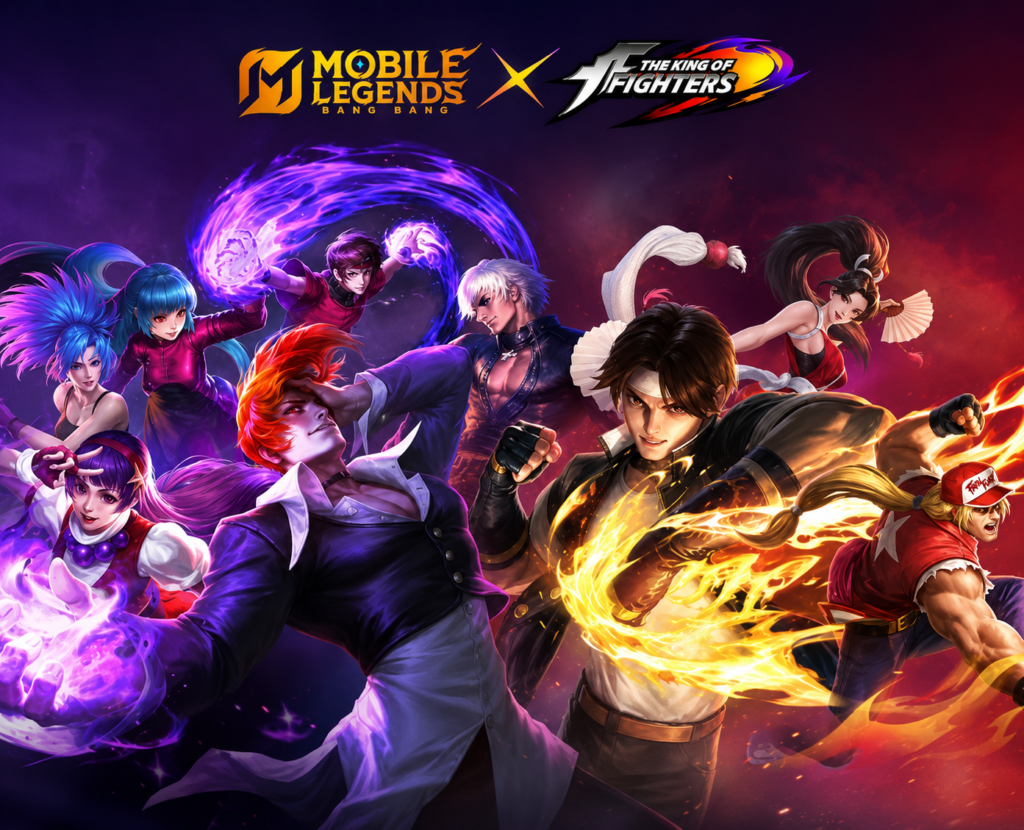
It was through Mobile Legends that millions of modern gamers were introduced to The King of Fighters characters for the first time.
In addition to MLBB, characters from the series have also appeared in:
This only confirms that even almost 30 years later, the franchise remains recognizable far beyond the fighting game genre.
For many players, The King of Fighters ’97 became not just another arcade game, but a true symbol of an era. It successfully concluded one of the best storylines in fighting games, introduced new mechanics, and gave the world dozens of iconic characters.
Today, as the industry actively returns to classics through remasters, re-releases, and collaborations, KOF ’97 remains a prime example of how a single game can shape the development of an entire genre without losing its popularity even decades later.
As a reminder: Resident Evil: Requiem, Crimson Desert, and Subnautica 2 — Most Popular Releases of the First Half of 2026 in Streaming.


