November 1, 2011, saw the release of Uncharted 3: Drake’s Deception on PlayStation 3 — the third main installment in Naughty Dog’s action-adventure series about treasure hunter Nathan Drake. After the success of Uncharted: Drake’s Fortune and especially Uncharted 2: Among Thieves, the studio faced a difficult task: make the sequel even bigger while preserving the character, humor, and cinematic style of the series.
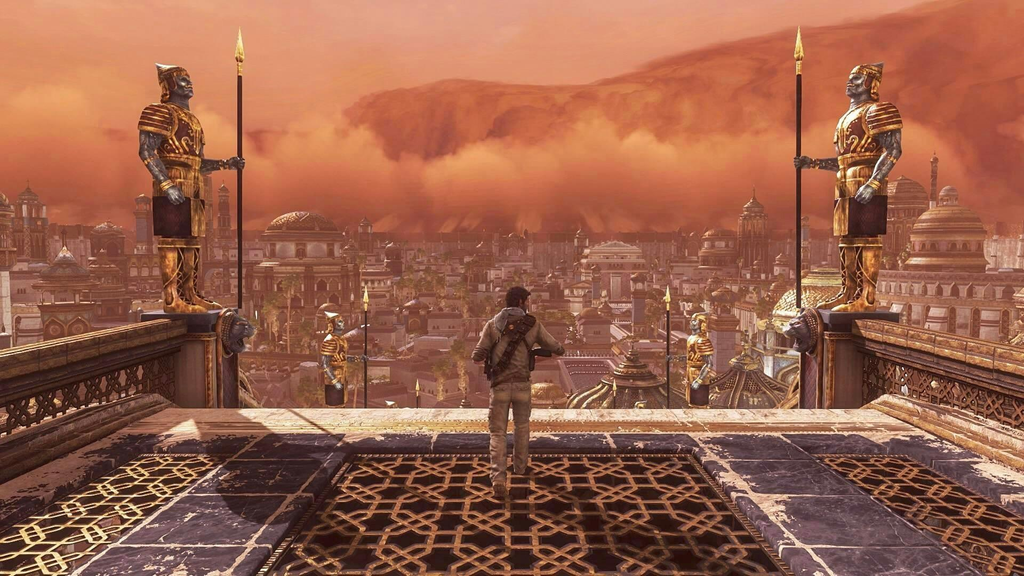
This time, Drake set out in search of the legendary Atlantis of the Sands — a mythical city connected to the expeditions of British explorer T. E. Lawrence. The journey took the hero to Syria, France, and the Arabian Peninsula, while his relationship with his longtime friend and mentor Victor “Sully” Sullivan became an important part of the story.
By the time the third installment was being created, Naughty Dog already had enormous expectations from its audience. Uncharted 2: Among Thieves had demonstrated just how far the cinematic approach to action-adventure games could be taken, so the team did not want to simply repeat the previous formula.
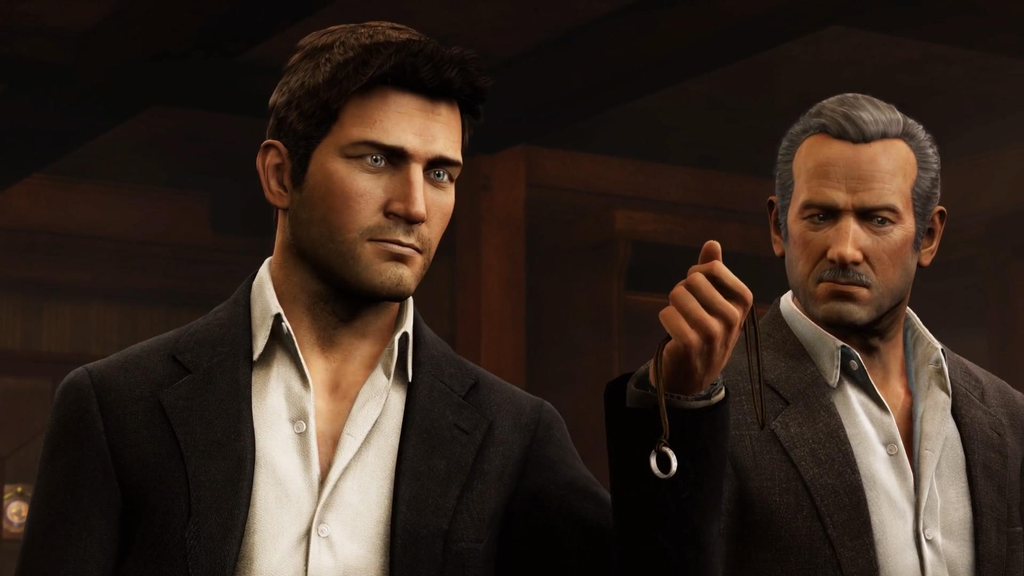
The developers set out to make the world more convincing while improving character animations, object physics, and the scale of individual scenes. Naughty Dog also worked on making Drake’s movements more natural: more transitions were added between different animations, making the character’s running, stopping, and movement smoother.
At the same time, the team tried not to turn the game into nothing more than a collection of spectacular sequences. Characters and their interactions remained important to Naughty Dog. That is why Uncharted 3 placed particular emphasis on Drake and Sully’s relationship, as well as the protagonist’s past.
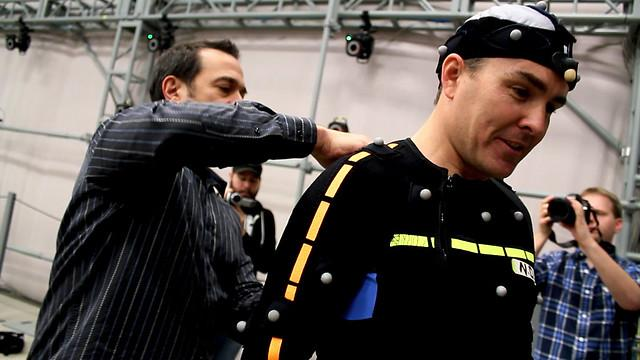
One of the main features of Uncharted 3’s production was the use of performance capture. Naughty Dog wanted the actors not only to record the characters’ voices, but also to convey their movements, emotions, and interactions.
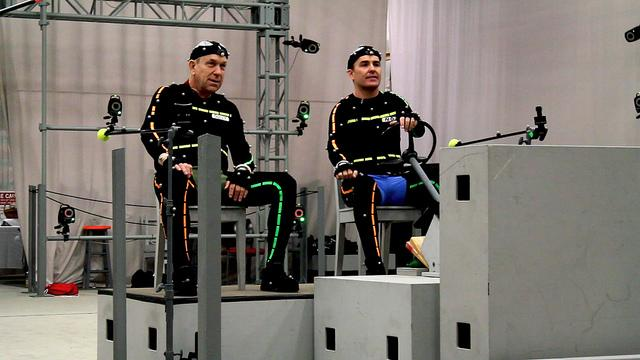
For this purpose, the studio used a special stage equipped with dozens of infrared cameras. The actors could perform scenes together while simultaneously recording their movements and dialogue. This approach allowed the team to create much more natural interactions between the characters.
Nolan North returned as Nathan Drake, Emily Rose as Elena Fisher, and Richard McGonagle as Victor Sullivan. Their interactions became one of the foundations of the game’s emotional component.
Naughty Dog used performance capture so extensively that the process resembled the production of a feature film. The team regularly held new recording sessions, while the script could be adjusted during the actors’ performances.
Uncharted 3 continued the series’ tradition of building its campaign around major adventure sequences. The game featured levels involving fire, water, the desert, and a plane crash.
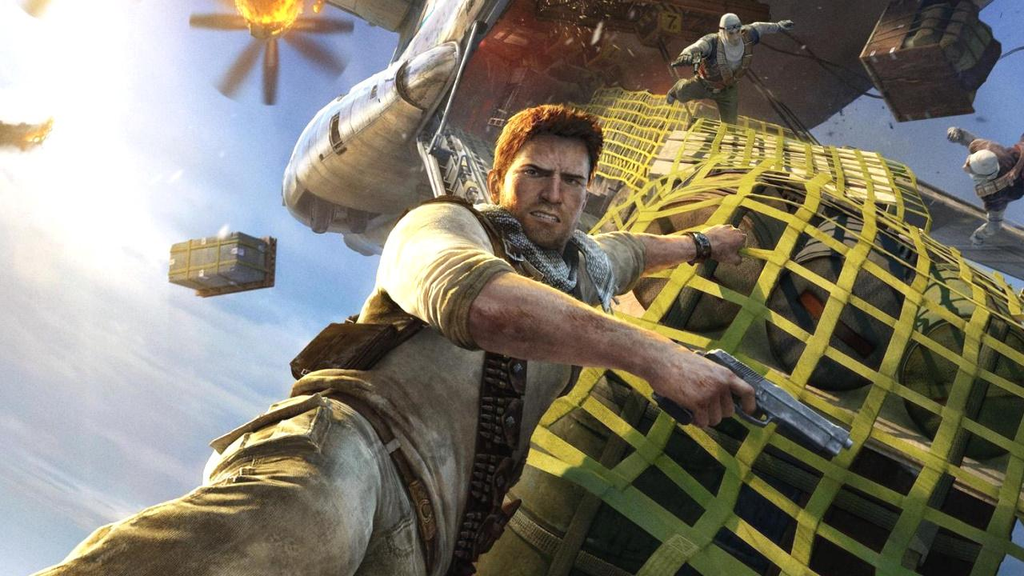
Naughty Dog paid particular attention to physics and animation. The developers wanted the surrounding world to react to the protagonist’s actions more naturally. For example, they improved the behavior of objects during Drake’s movement and the way fire worked, allowing it to gradually affect the surrounding environment.
One of the most challenging scenes was the sequence involving a cargo plane. For it, the team used a complex system of wires and stunt performance to make Drake’s movements during the dangerous sequence as believable as possible.
Despite the high expectations, creating Uncharted 3 was not easy. The team had approximately two years to develop the game, while its scope continued to grow.
Creative director and writer Amy Hennig later described working on the game as one of the most difficult projects of the team’s career. The developers wanted to surpass the previous installment while also avoiding disappointing the audience.
Before release, Naughty Dog announced that the game had gone gold on October 11, 2011. This meant that the main development process had been completed and the final version had entered production ahead of the November release.
Uncharted 3: Drake’s Deception was released on November 1, 2011, in North America, while the European release took place on November 2. The game remained a PlayStation 3 exclusive.

Critics received it very positively. The game received a score of 92 on Metacritic, while GameSpot gave it 9/10. The story, acting performances, scale of the production, and technical execution were particularly praised.
The redesigned multiplayer was also an important addition. Naughty Dog continued developing the online component, regularly adding new content and modes after release. During the first year, the studio released numerous multiplayer updates.
Sales results demonstrated that the Uncharted series had become one of PlayStation’s major franchises.
3.8 million copies of the game were sold worldwide on its first day. Sony reported that the figure exceeded expectations and put Uncharted 3 on track to become the most successful game in the series at that time.

The result was particularly important for Naughty Dog because Uncharted 3 was released at a time when the PlayStation 3 was approaching the end of its life cycle. The game became one of the major exclusives that demonstrated the console’s technical capabilities during the later stage of its generation.
Today, Uncharted 3: Drake’s Deception remains an important part of Naughty Dog and PlayStation history. It reinforced the studio’s approach of combining action-adventure gameplay, cinematic presentation, and strong acting performances.
The game did not simply continue Nathan Drake’s story — it demonstrated how closely video games of that era could come to the structure and presentation of major adventure films.
Fifteen years after its release, Uncharted 3 remains one of the most notable representatives of the PlayStation 3 era, when Naughty Dog fully established the style of cinematic adventures that would later become the studio’s trademark.
As a reminder, Super Castlevania IV — How Konami Brought the Castlevania Classic into the 16-Bit Era.


