Esports has long outgrown the basements where its first tournaments were held, evolving into a multi-billion-dollar industry. Today, top tournaments in CS2, League of Legends, Dota 2, and many other disciplines draw larger stadium audiences than most Ukrainian Premier League matches did in the years before the full-scale war. The scene itself is becoming more professional — players are paying greater attention to their physical and mental health.
Naturally, an industry growing this fast couldn't escape the betting world's attention. For a long time, esports lacked any regulatory framework, making it fertile ground for match-fixing. The industry has since matured and is actively fighting "playing for the bookmaker," but its history is marked by major scandals — and here are the most significant ones.
We'll start not with the scandal that first comes to mind when match-fixing in esports is mentioned, but with an event that left a lasting mark on the industry.
In 2013, Kyiv hosted StarLadder StarSeries Season 6 in Dota 2. Among the participants was the team RoX.KIS, featuring player Alexei "Solo" Berezin. Toward the end of the group stage, RoX.KIS played against zRAGE — a match that meant nothing for either team's standings. Seeing this, Solo decided to bet $100 against his own team. RoX lost the game, and Berezin walked away with $322 in winnings.
News of the bet spread quickly, and Solo was immediately hit with a lifetime ban from StarLadder tournaments — later reduced to one year. As for the number 322, it has remained synonymous with match-fixing in esports to this day.
Solo did manage to revive his career, going on to play for NAVI and compete at several editions of The International.
The League of Legends Development League (LDL) is China's second-tier competition, where young talent is developed for the franchised LPL. In 2021–2022, the esports world was shaken by an investigation into the LDL after FPX player Zhou "Bo" Yanbo came forward, revealing he had been blackmailed into throwing matches.
Following Bo's testimony, Riot Games and Tencent paused the LDL to conduct a full investigation. They ultimately identified 38 individuals involved in match-fixing. The team Sheng Jie Gaming was disqualified in its entirety, as every member was implicated in the scheme. Bo received a four-month ban for cooperating with investigators.
In 2022, a second wave of bans followed. Anomalous betting patterns were detected on matches involving Team Orange and TWELVE; both teams were expelled from the league, and 18 additional individuals received lifetime bans.
Even that wasn't enough to fully uproot the criminal network. In March 2026, Riot Games exposed yet another match-fixing conspiracy in the tier-2 league. Player Yang "Nairu" Jijian — who had already been competing for Top Esports in the LPL — was found to have participated in fixed matches and received a lifetime ban.
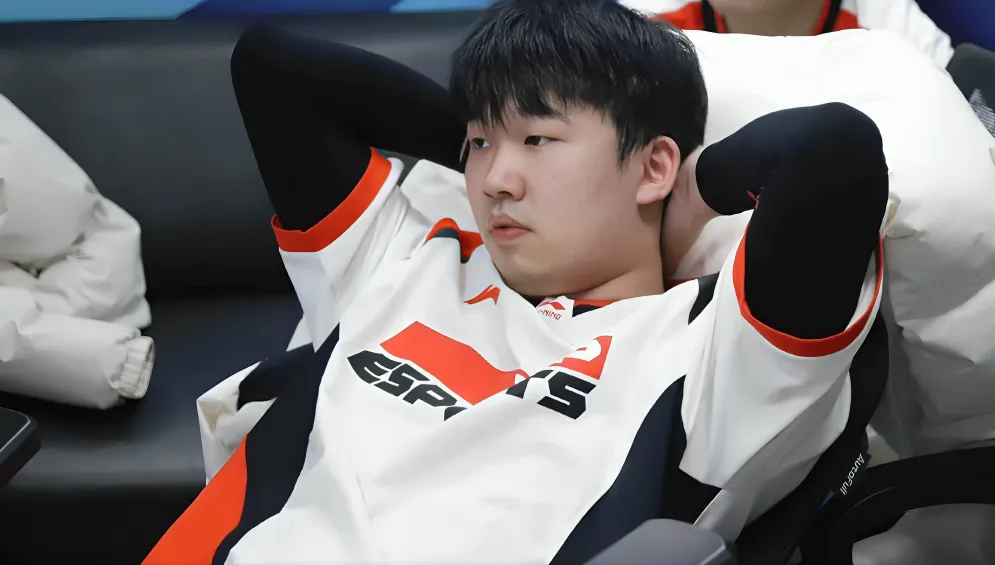
The reason bookmakers are so active in China's lower league comes down to money: players at that level earn very little, and those from poorer provinces are especially vulnerable. Fixers offer them the chance to earn several times their monthly salary in a single game.
If you think match-fixing is limited to lower-tier competitions, think again — it has touched some of the most storied organizations in esports. In 2020, the community was rocked by news that Newbee — winners of The International 2014 and a consistent TI fixture — had been caught in a fixing scheme.
During a StarLadder ImbaTV qualifier, Newbee faced Avengerls. On the second map, Avengerls held a lead of over 15,000 gold — only to begin making inexplicable plays, handing their opponents kills and valuable items. This allowed Newbee to come back and take the map.
The match immediately drew suspicion from players and analysts. The Chinese Dota 2 Association and Perfect World (Dota 2's official distributor in China) launched an investigation and confirmed that a prior agreement had been made: Avengerls would throw the map to Newbee. The organization and all five players received lifetime bans.
One of the most infamous scandals in esports history also involves a Valve title — this time, Counter-Strike: Global Offensive.
In 2014, North American squad iBUYPOWER were leaders of their region and regulars at major international events. That changed at CEVO Professional Season 5, when the heavy favorites were dismantled by NetcodeGuides 4:16 on Season. The match raised immediate questions in the community — iBUYPOWER made a string of illogical plays and appeared utterly indifferent to the result. Many wrote it off as fatigue or lack of motivation.
Everything changed months later when journalist Richard Lewis published a bombshell exposé, revealing that iBUYPOWER had deliberately lost the match. He laid out the evidence and explained exactly how it worked: since betting real money on matches wasn't straightforward at the time, the players' associates wagered CS:GO skins on their loss. The total pot came to roughly $10,000 worth of skins.
Notably, one of Lewis's sources was the ex-girlfriend of one of the players, who handed the journalist an SMS conversation in which her former partner discussed the scheme.
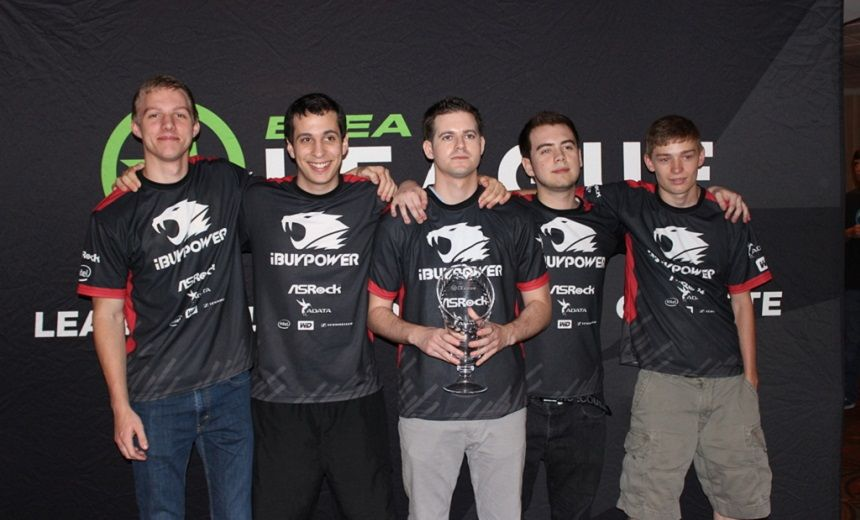
Valve could not let the scandal pass. In early 2015, the company issued an official statement announcing that four iBUYPOWER players were banned from its tournaments; the major tournament operators soon followed suit. Sam "DaZeD" Marine, Braxton "swag" Pierce, Keven "AZK" Larivière, and Joshua "steel" Nissan were all disqualified. Only Tyler "Skadoodle" Latham escaped punishment — he had refused to accept his share of the skins.
The ban sent a clear message to the entire Counter-Strike scene: no matter how big a name you are, integrity violations will be punished.
In the aftermath, the iBUYPOWER organization withdrew from CS:GO — but the team's stickers from EMS One Katowice 2014 remained in the game. They've since become genuine collector's items; a single iBUYPOWER sticker now fetches over $60,000.
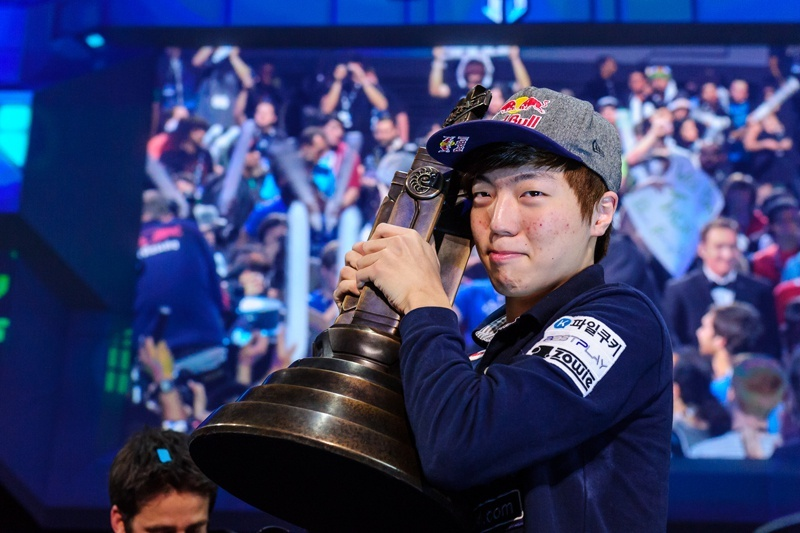
Lee "Life" Seung Hyun was considered one of the most promising players on the StarCraft II pro scene. He won prestigious tournaments at 15 and triumphed at BlizzCon 2014 at just 17. He was, by every measure, the future of SC2.
That future ended in 2016, when Life was arrested by South Korean prosecutors. Investigators proved that in 2015, he had accepted a $60,000 bribe from a bookmaker to lose two specific maps at the KeSPA Cup.
For his actions, Life received an 18-month suspended prison sentence, a substantial fine, and a lifetime ban from the Korean Esports Association (KeSPA). The fallout nearly killed South Korea's professional StarCraft II scene, as the scandal drove away major sponsors.
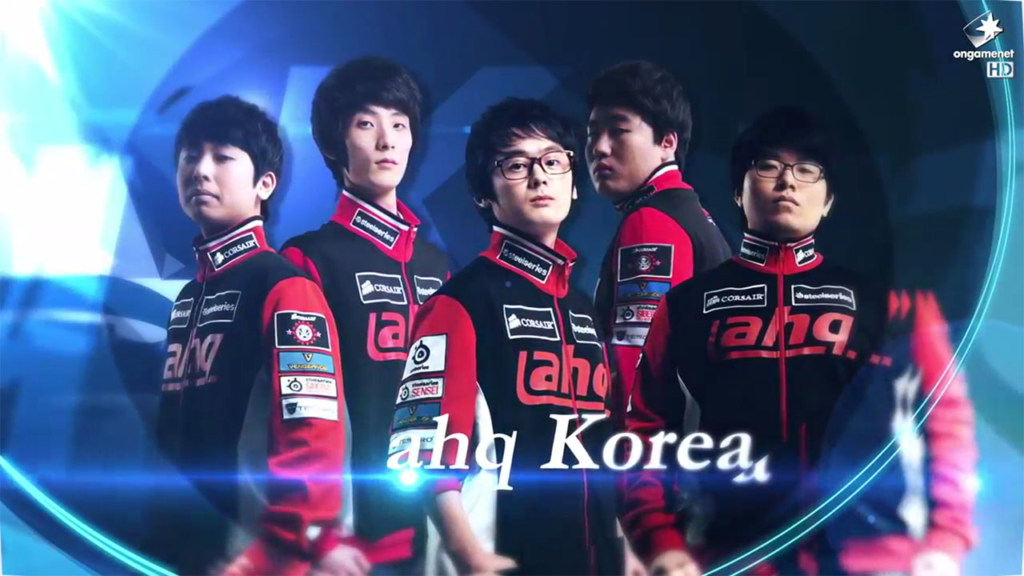
Korean player Jeong "Promise" Min Ki attempted suicide, jumping from the roof of a 12-story building. He miraculously survived, but sustained severe injuries and spent a month in a coma.
Before the attempt, Promise posted a note online revealing that his AHQ Korea team manager, Michael Noh, had assembled the roster specifically to participate in match-fixing. Noh had been forcing players to throw matches to cover his debts to bookmakers. When the truth about his actions came to light, he fled the country. The incident prompted Riot Games and KeSPA to begin vetting team owners and introduce strict ongoing monitoring.
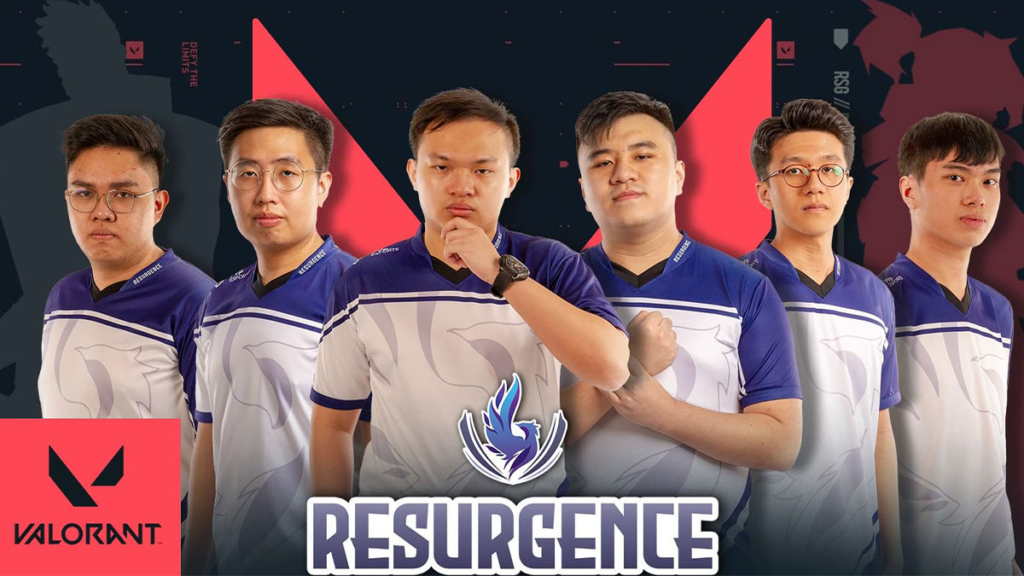
Valorant's full release came in the summer of 2020 — and by September of that same year, the discipline had already been rocked by its first major match-fixing scandal. At the Valorant Ignition Series, Singapore-based team Resurgence fell to Blackbird Ignis 0:2.
It later emerged that Resurgence players Malcolm "Germsg" Chang and Ryan "Dreamycsgo" Tan had placed substantial bets on their own team's defeat. About six months after the match, Riot Games received screenshots of conversations in which Germsg and Dreamycsgo discussed the fix.
The investigation also found that the two had attempted to bribe their teammates into staying quiet. The teammates declined to take the money, but concealed the information from management — earning them bans of between six and twelve months.
Germsg and Dreamycsgo themselves received three-year full suspensions. They also faced an additional complication: match-fixing is a criminal offense in Singapore, meaning both faced trial. Germsg, as the instigator, was sentenced to four months in prison; Dreamycsgo received six months of probation.
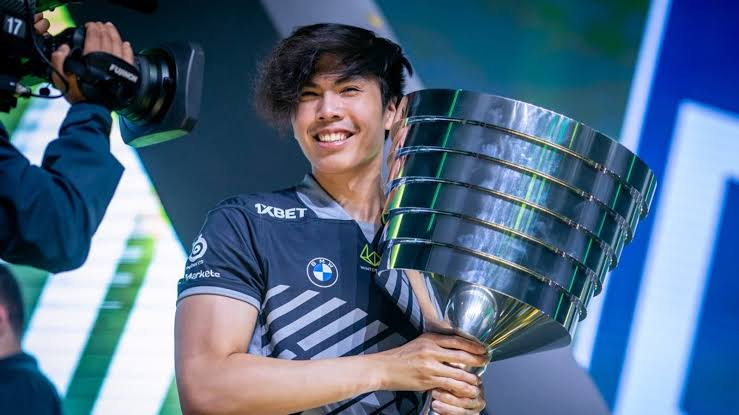
Tommy "Taiga" Le had built a successful career in Dota 2 and played for top-tier organization OG. That came to an end after a piece of investigative journalism revealed he had ties to individuals organizing match-fixing.
Le had developed a gambling addiction, losing significant sums at casinos. To repay his debts to bookmakers, he began feeding them information during live matches. To avoid exposing him too obviously to his teammates, the bookmakers asked for targeted throws — for example, deliberately dying early in the first few minutes of a game, giving them a specific bet to cash in on.
In the spring of 2026, Taiga received an indefinite ban from all major tournaments.
The real tragedy behind all these stories is that match-fixing strikes at esports' most valuable asset: the trust of its fans and sponsors. When viewers watch a spectacular comeback or a player suddenly dying for no apparent reason, the thought inevitably creeps in that it might all be staged for the bookmakers.
That troubling trend is reflected in a recent report from the International Betting Integrity Association (IBIA), which found that in the first three months of 2026, sport recorded 70 suspicious incidents — 15 of which (22%) were in esports, trailing only football (25) and tennis (16). Alarmingly, this is several times higher than the same period in 2025, when esports generated just four alerts.
The fight against this chronic disease will continue for as long as illegal bookmakers exist. That said, the era of impunity is over. Tournament operators and game publishers now monitor integrity closely, and harsh punishments — including real prison sentences — serve as a warning to players tempted by easy money.


