On October 18, 2011, Batman: Arkham City was released in North America for PlayStation 3 and Xbox 360. Following the success of Arkham Asylum, Rocksteady faced a difficult task: creating a sequel to a game that had already proven that a superhero title could be more than just another licensed project — it could become a major hit in its own right.
Instead of simply repeating the formula of the first game, the studio significantly expanded the scale. Batman was taken out of the corridors of the psychiatric hospital and placed in a huge district of Gotham that had been transformed into an open-air prison.
That was how Batman: Arkham City was born — a game that expanded almost every idea introduced by its predecessor and became one of the highest-rated releases of 2011.
The events of the first game largely took place within the grounds of Arkham Asylum. This format allowed Rocksteady to control the pace of the game and create a strong sense of confinement.
For the sequel, the developers took a different approach.
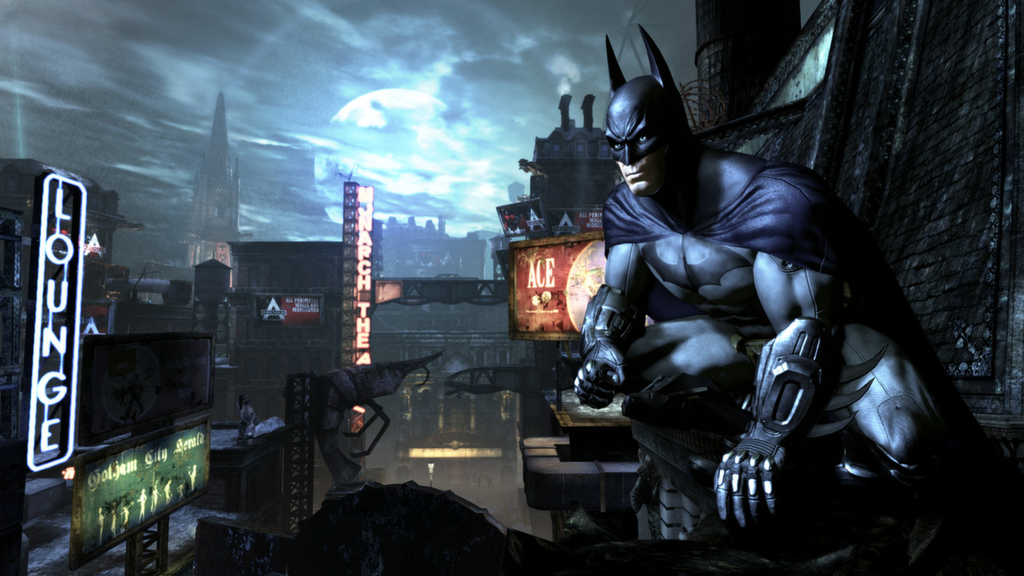
Part of Gotham was transformed into Arkham City — a massive isolated zone where the city's criminals were sent. Behind the walls of the new facility, conventional rules practically did not exist: gangs controlled different districts, while some of Batman's most dangerous enemies were among the prisoners.
This allowed Rocksteady to make the world significantly more open. Batman could move across rooftops, use his grapnel gun, glide over the streets, and choose his own route to the next objective.
At the same time, the developers tried not to turn Arkham City into an ordinary open world. The city was meant to remain part of the story and constantly create new situations for the player.
One of the central characters in the story was Hugo Strange — a psychiatrist who had gained control over Arkham City.
His greatest advantage over many of Batman's other enemies was not physical strength. Strange knew that Bruce Wayne was the man behind the Dark Knight's mask.
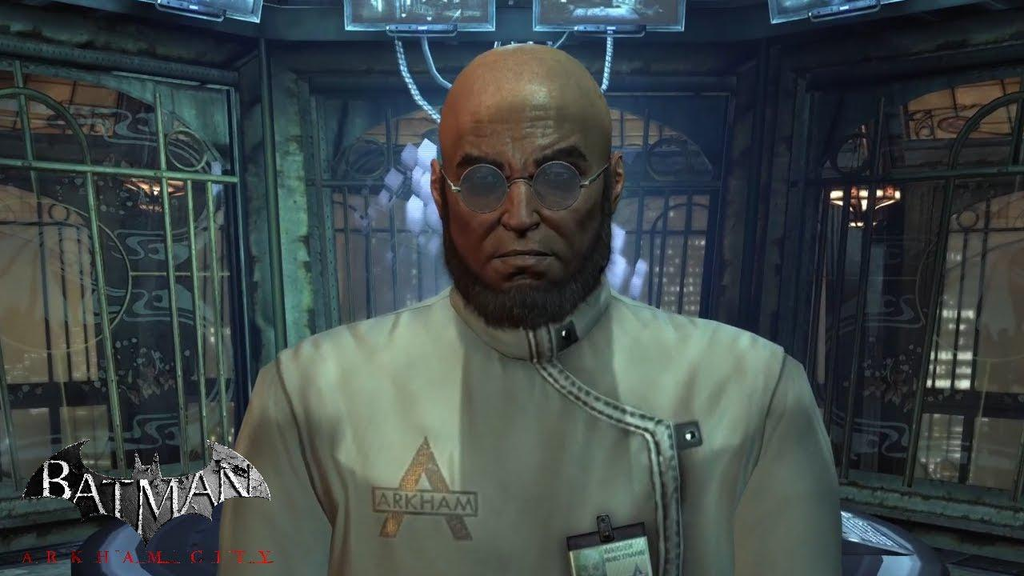
This allowed Rocksteady to create an entirely different kind of threat for Batman. At the same time, Strange was preparing the mysterious Protocol 10, while the hero had to discover what was really happening inside Arkham City.
However, Strange was far from Batman's only problem. The game featured Joker, Harley Quinn, Penguin, Two-Face, Mr. Freeze, Ra's al Ghul, and other famous characters from the DC universe. Rocksteady tried to give the major villains their own goals and roles within the story rather than simply using them as a collection of bosses.
One of Arkham Asylum's biggest innovations was the Freeflow Combat system.
Instead of relying on complicated button combinations, players had to choose the right direction for attacks, counter incoming strikes, dodge, and quickly switch between enemies. Arkham City expanded this system.
Batman received more moves and gadgets that could be used directly during fights. Battles became larger, while enemies became more varied, meaning that simply pressing the attack button was no longer enough.
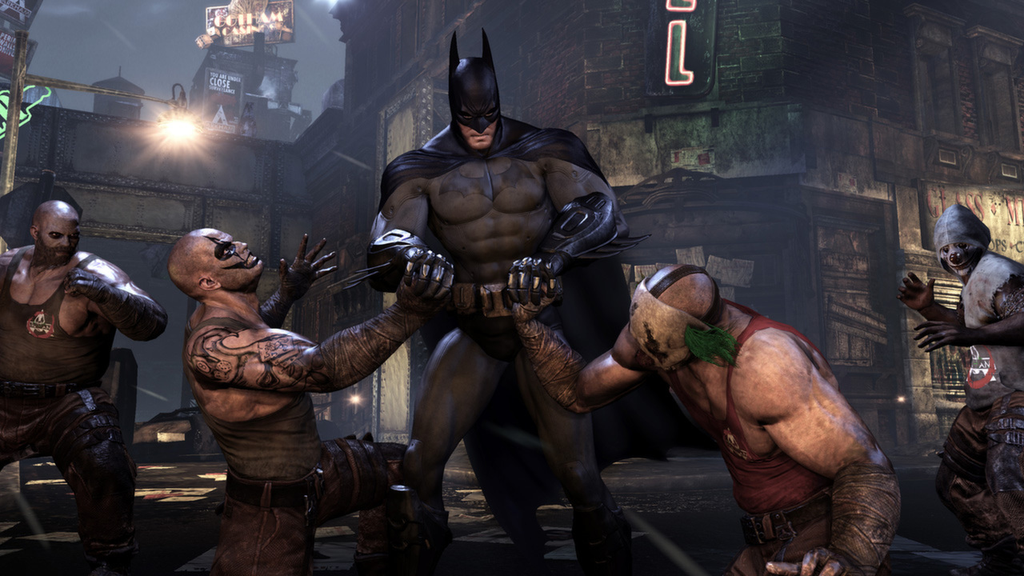
The stealth gameplay also evolved.Instead of engaging enemies directly, Batman could remain unseen, use the environment, attack opponents from above, and gradually cause armed enemies to panic.
The combination of an open world, Freeflow Combat, and the so-called Predator sections became the foundation of Arkham City's gameplay.
Another important addition was Catwoman.
She was more than just a supporting character — players could control Catwoman, while her storyline unfolded alongside Batman's story.
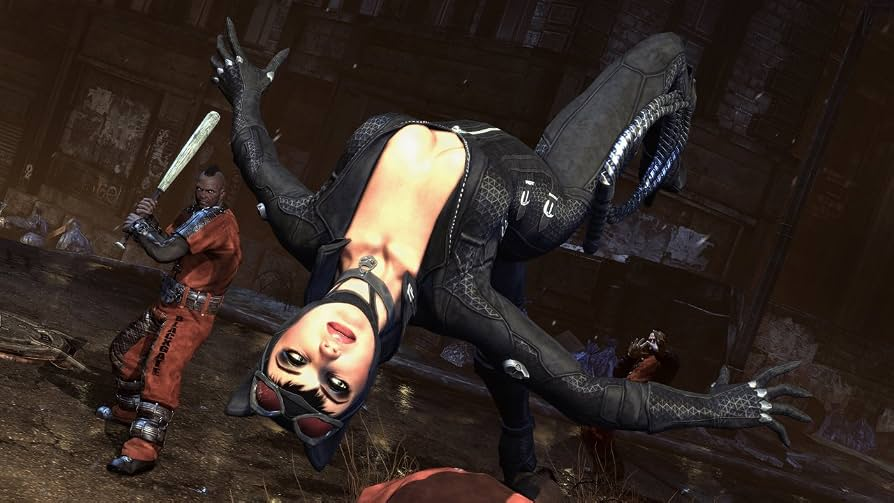
Her motivations were also very different from those of the main character. While Batman was trying to uncover Hugo Strange's plans and stop the chaos inside the city, Catwoman was interested in the opportunity to rob a vault containing the criminals' valuables.
Her gameplay was different as well.
Catwoman was faster and used her own methods of traversal and combat, allowing players to experience Arkham City from a different perspective.
The developers even created an alternative moment in which Catwoman could take the loot and leave the city, abandoning Batman to his fate.
Despite the introduction of Hugo Strange, the story of Arkham City could not exist without Joker.
Following the events of Arkham Asylum, his condition had deteriorated significantly because of the effects of using Titan. Joker was terminally ill, but even that did not stop him from remaining one of Batman's main enemies.
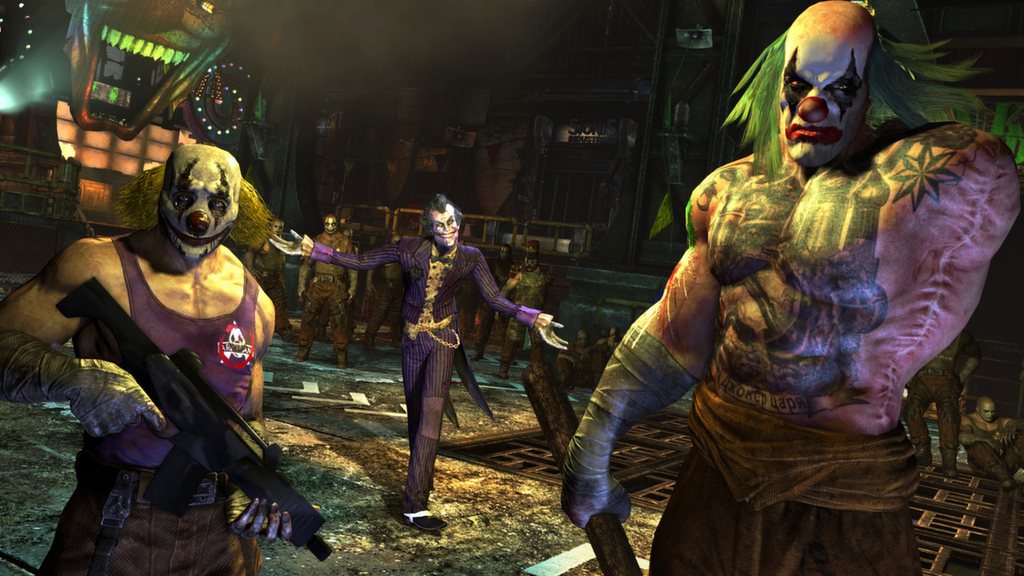
One of the game's central storylines revolves around his condition.
Rocksteady once again brought back Mark Hamill to voice Joker, while Kevin Conroy returned as Batman. Their confrontation became one of the most important parts of the story.
The ending was particularly memorable, bringing another chapter of the complicated relationship between Batman and his greatest enemy to a close.
Rocksteady's gamble paid off. Batman: Arkham City received exceptionally high scores from critics. The Xbox 360 version holds a score of 94 out of 100 on Metacritic, with all 87 reviews counted by the aggregator for that version being positive.
Reviewers praised the open world, combat system, atmosphere, story, and the way Rocksteady managed to capture the feeling of being Batman.
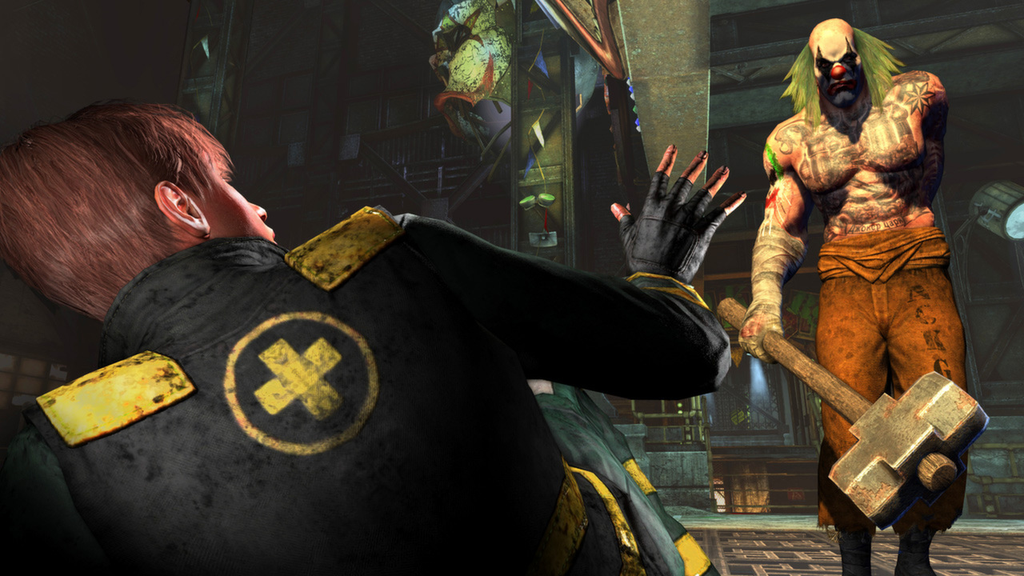
Arkham City did not abandon the foundation established by Arkham Asylum. Instead, the developers took almost all of its core mechanics and attempted to expand them.
More territory, more villains, more ways to fight, and more freedom for the player.
Before the Arkham series appeared, video games based on comic books had a mixed reputation. The success of Arkham Asylum began to change that perception, while Arkham City proved that the first game's success was no accident.
Rocksteady managed to create a sequel that did not simply increase the scale of the original but developed its strongest elements.
Freeflow Combat became deeper, the city became more open, the roster of characters grew larger, and Batman's story received one of the most memorable endings in the series.
On October 18, 2011, Batman left the walls of Arkham Asylum and stepped onto the streets of Arkham City — and Rocksteady showed just how ambitious a superhero game could be.
As a reminder: Battlefield 2142 — how DICE sent the series into the future and created Titan mode.


