September 10, 2002, marked an event that would later become one of the important milestones in the history of the FPS genre. On that day, Battlefield 1942 was released in North America — the debut title in a series that would eventually become one of the most recognizable franchises in the world of military shooters.
Today, large-scale online battles no longer surprise anyone. Huge maps, team-based gameplay, a wide variety of vehicles, and dozens of players fighting simultaneously have become familiar elements of the genre. But in the early 2000s, things looked very different.
From Codename Eagle to Battlefield
The history of Battlefield 1942 began before the Battlefield name itself existed. The game was developed by Swedish studio Digital Illusions CE, which had previously worked on Codename Eagle.

In 2000, DICE acquired Refraction Games and obtained its existing work. Combining this project with its own ideas, DICE gradually developed the concept that would become Battlefield 1942. The developers wanted to create more than just another shooter — they wanted to build a large-scale multiplayer experience where players would become part of a massive battle.
Interestingly, during the early stages, the game was even considered as a potential Nintendo GameCube exclusive. However, because Nintendo did not have a comprehensive online strategy at the time, the negotiations did not continue, and the project ultimately focused on PC.
More Than Just Shooting
The main difference between Battlefield 1942 and other shooters was its approach to combat.
The game allowed players to take part in large-scale matches where teams competed to control key points on the map. Victory depended not only on winning firefights, but also on how effectively a team could control territory.
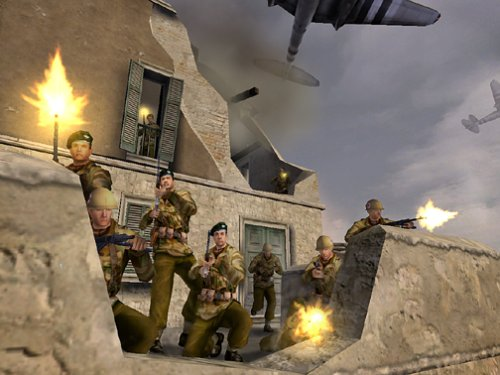
This became the foundation of the Conquest mode, which would later become one of the defining symbols of the Battlefield series. Up to 64 players could participate on the battlefield at the same time. For an FPS released in 2002, that was a massive scale. In addition to infantry, players could use a wide variety of vehicles and fight on land, in the air, and at sea.
This concept allowed Battlefield 1942 to create situations that were difficult to predict in advance.
World War II as a Massive Playground
The events of Battlefield 1942 covered different theaters of World War II — from Europe and North Africa to the Pacific region.
The maps were inspired by real battles and historical locations. They included Wake Island, El Alamein, Stalingrad, Omaha Beach, and other famous locations.
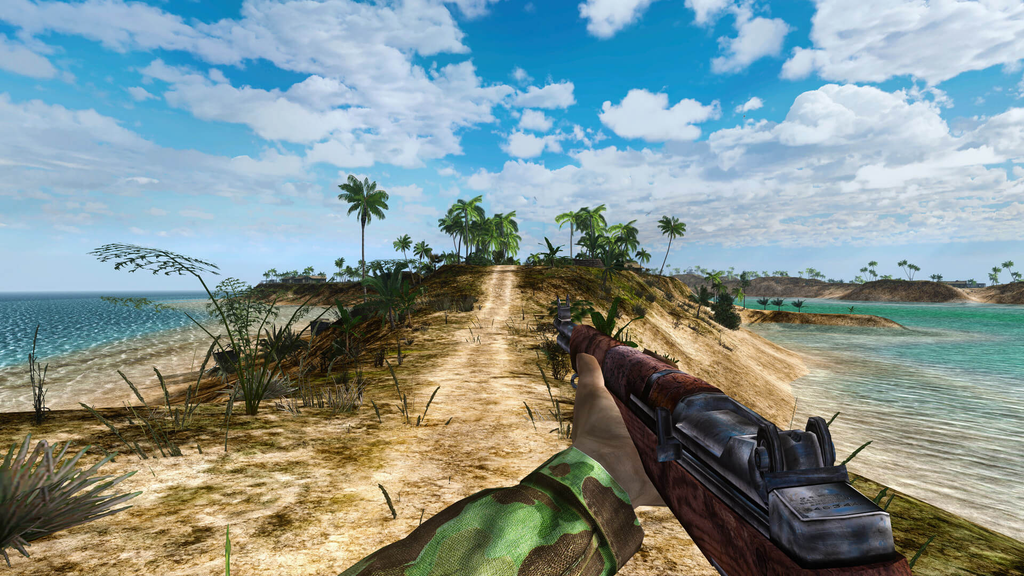
At the same time, the game did not attempt to be a strict military simulator. DICE combined historical settings with fast-paced arcade-style gameplay.
As a result, World War II became more than just a backdrop for a single-player campaign. It became a massive playground for team-based battles.
Classes That Became the Foundation of the Series
Battlefield 1942 also laid the groundwork for the class system that the franchise would use for years to come.
Players could choose from five classes: Scout, Assault, Anti-Tank, Medic, and Engineer. Each had its own role on the battlefield, while successful teams had to combine different specializations. This approach helped turn each match from a simple firefight into a genuine team-based experience.
The system would later become one of Battlefield's defining features and influence the development of other team-based shooters.
Vehicles Became Part of the Battle
Another major feature of Battlefield 1942 was its combination of infantry and vehicles.
Players could control ground vehicles, ships, and aircraft. The ability to switch between different types of vehicles created the feeling of participating in a large-scale battle rather than a series of isolated firefights.
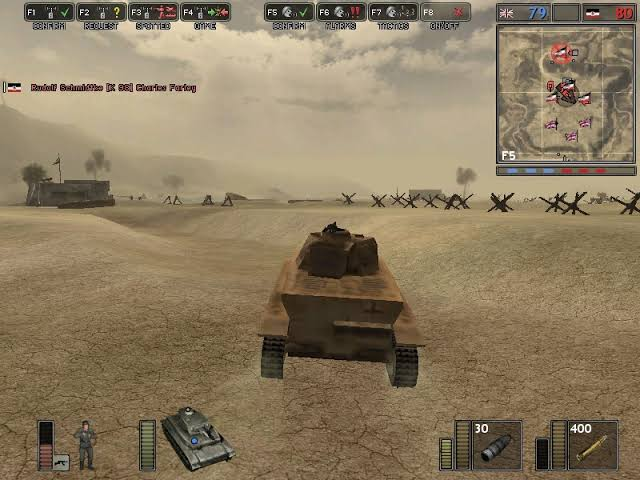
Even before release, the game's producer Lars Gustavsson emphasized the ability to combine infantry with land, sea, and air vehicles within the same game space. This was one of the game's major technical and design achievements.
A Game Without a Strictly Written Script
Battlefield 1942 did not feature a traditional story campaign that guided players from one mission to the next. Instead, the matches themselves became the story.
One team could launch an offensive while the other tried to hold an important position, and the situation on the map could change within a matter of minutes. As a result, two matches on the exact same map could play out in completely different ways.
This principle would later become one of Battlefield's core ideas: the players create the story themselves.
After Release
Battlefield 1942 received positive reviews, particularly for its multiplayer, the scale of its battles, and its original approach to the FPS genre at the time. The game was also commercially successful — more than three million copies had been sold by 2004.
In 2003, DICE released two expansions.
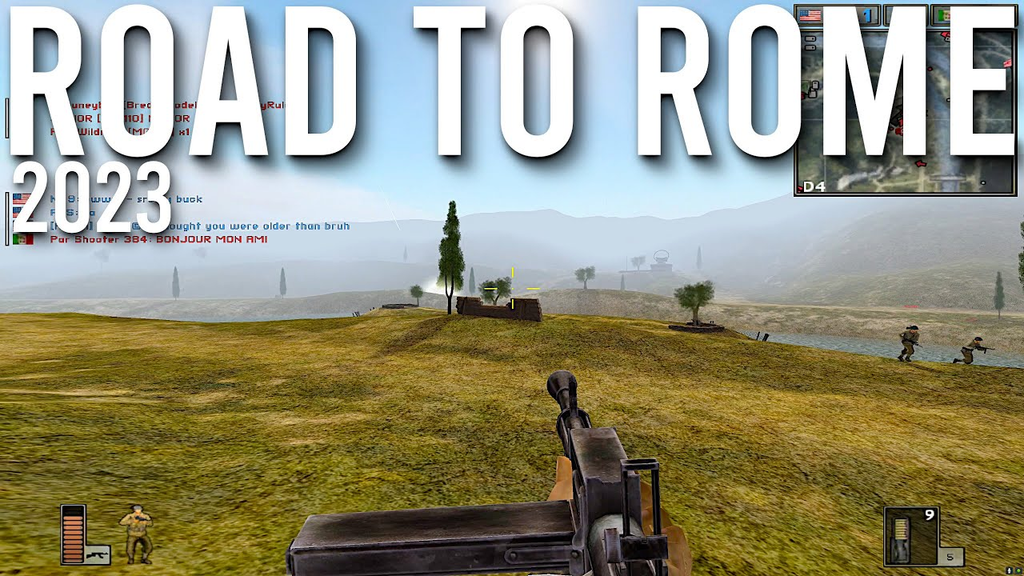
The first, The Road to Rome, took players to the Italian theater of World War II and added new maps, vehicles, as well as French and Italian forces.
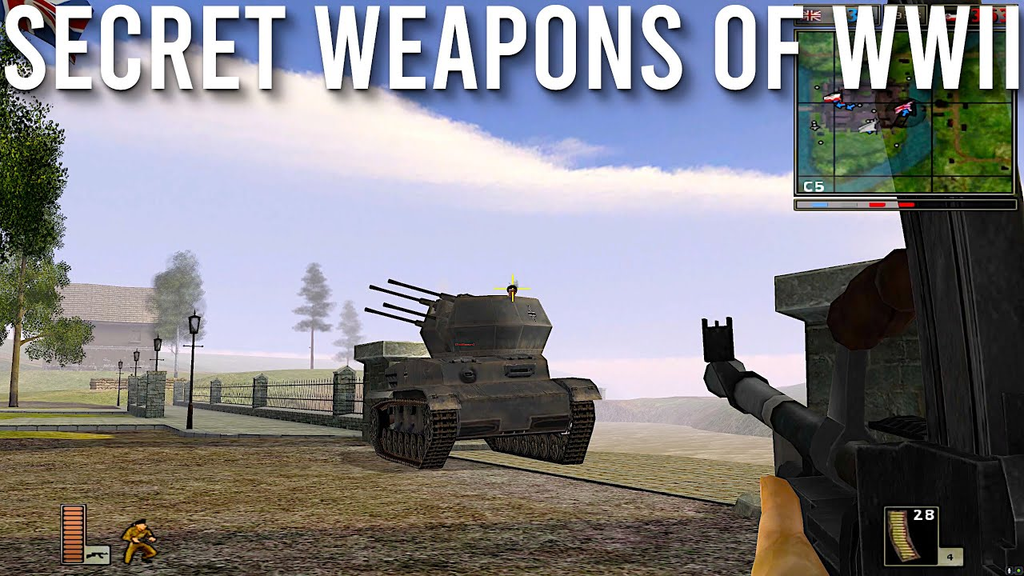
The second, Secret Weapons of WWII, expanded the game with new maps, vehicles, weapons, and experimental technologies connected to projects from the World War II era. The Beginning of a Great Battlefield Story
The true significance of Battlefield 1942 became clear after its release. The game became the starting point for an entire franchise. Following its success, DICE began taking its formula into other historical periods and fictional future conflicts: Battlefield Vietnam, Battlefield 2, Battlefield 2142, Battlefield: Bad Company, Battlefield 3, Battlefield 4, Battlefield 1, Battlefield V, and other projects.
But the foundation remained the same: large maps, team cooperation, territory control, and the ability to create the flow of a battle yourself.
Why Is Battlefield 1942 Still Important Today?
More than two decades have passed, but many of the things we associate with Battlefield originated right here.
64 players on a single map. Team-based roles. Territory control. Land, sea, and air vehicles. Large maps. Unpredictable situations.
All of this seems familiar today. In 2002, however, such a concept was far less common.
That is why Battlefield 1942 should not be viewed simply as an old World War II shooter. It was a game that helped shape the modern understanding of large-scale team-based FPS games and gave rise to one of the most famous military franchises in video game history.
On September 10, 2002, Battlefield 1942 had only just begun its journey. But it was this game that started the history of Battlefield — a history that the industry has continued for more than two decades.
As a reminder, Crash Bandicoot — 30 years of the PlayStation legend.


