On October 29, 2001, Crash Bandicoot: The Wrath of Cortex debuted on PlayStation 2 — the fourth main installment in the famous platforming series. It was an important moment for Crash: for the first time, a mainline game was developed not by Naughty Dog, but by British studio Traveller’s Tales.
Before that, Naughty Dog had established Crash Bandicoot with a trilogy on the original PlayStation. The three games — Crash Bandicoot, Cortex Strikes Back, and Warped — defined the series' formula of colorful 3D platforming with linear levels, secrets, bonus stages, and plenty of obstacles. However, after the completion of the third game, the situation surrounding the franchise began to change.
The creation of The Wrath of Cortex was part of a major restructuring of the franchise itself. Universal Interactive wanted to expand Crash Bandicoot beyond PlayStation, while the series was gradually losing its status as a Sony exclusive.
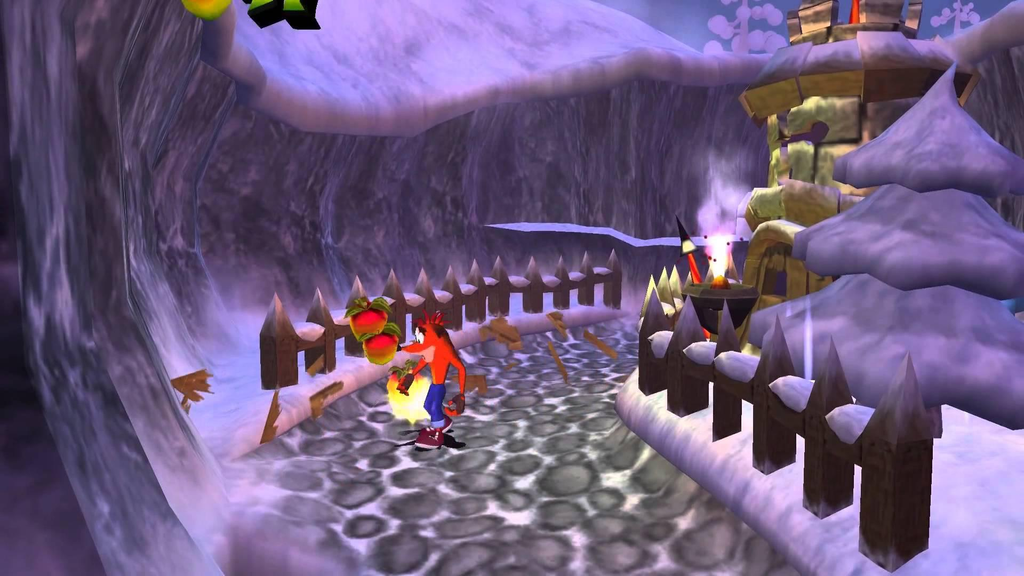
The project was originally supposed to be very different. According to plans associated with Mark Cerny, Crash would have received a more open structure and traveled between different planets. The game was expected to include exploration and puzzle elements, and its working title was Crash Bandicoot Worlds.
However, after changes surrounding the publisher and ownership of the franchise, Traveller’s Tales had to effectively restart development. The team had roughly a year to create the game, so instead of radically reimagining the series, the developers decided to return to the familiar formula of the previous installments.
For Traveller’s Tales, this was a major challenge. The studio had previously worked primarily on licensed games, and now it had to continue one of the most recognizable platforming franchises of its era.
The Wrath of Cortex became the first main Crash Bandicoot game for PlayStation 2. The new console allowed developers to create more detailed models, more complex effects, and brighter environments.
At the same time, Traveller’s Tales did not completely change the series' design. Players once again moved through linear levels, collected Wumpa Fruit and crates, discovered bonuses, and tried to reach the end of each stage. In this sense, the game was a continuation of Crash Bandicoot: Warped rather than an attempt to create an entirely new concept.
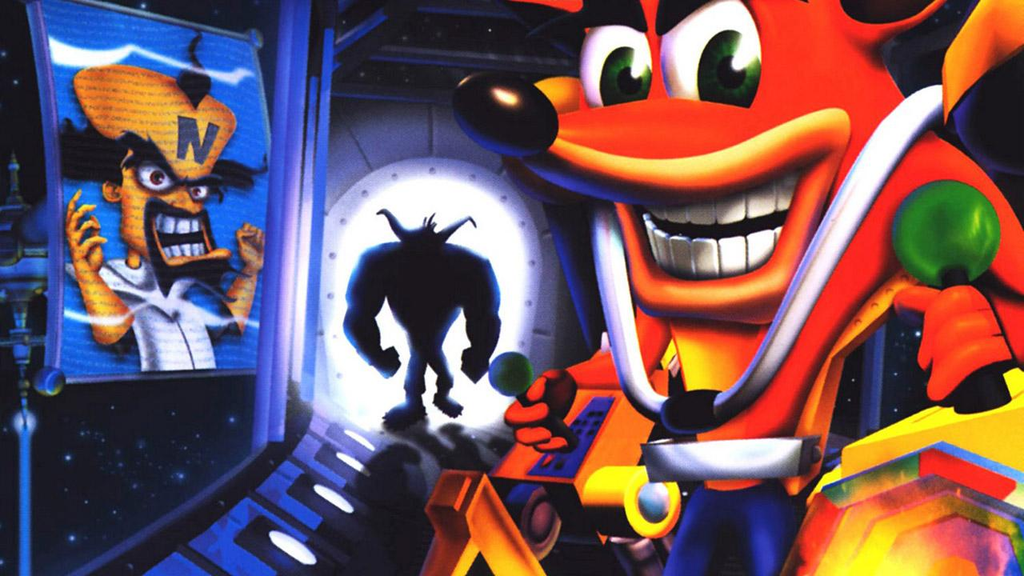
The story once again centered on the conflict between Crash and his main enemy, Doctor Neo Cortex. This time, Cortex creates a new opponent — Crunch Bandicoot, a genetically modified super-bandicoot who is intended to become Cortex's ultimate weapon against Crash.
To give Crunch his power, Cortex awakens elemental beings associated with earth, fire, water, and air. Crash and Coco must collect crystals and stop Cortex's plan.
Traveller’s Tales tried to preserve everything players loved about Crash. However, The Wrath of Cortex also introduced several new elements.
One of the main features was its vehicle-based levels. Crash could control different vehicles, while some sections moved away from traditional platforming and introduced different gameplay mechanics. There were underwater sequences, flying sections, and other forms of transportation.
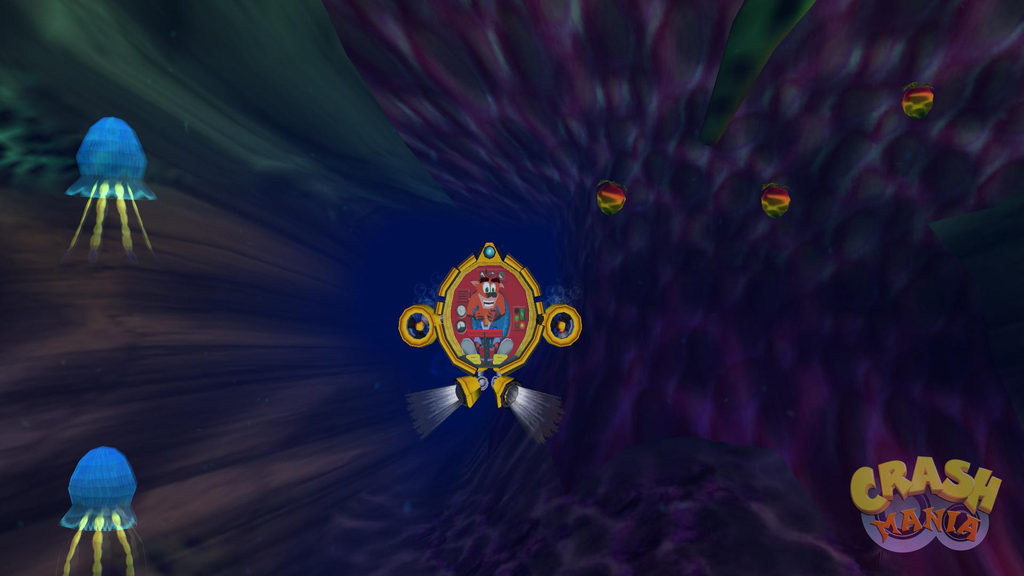
The game also introduced new types of challenges, while Coco received her own playable sections. The overall structure was built around a special Virtual Reality Hub System, through which players accessed different levels.
However, this was also where the game's main problem became apparent: instead of feeling like a true next-generation Crash, The Wrath of Cortex often felt like a cautious recreation of an already familiar formula.
After its release, The Wrath of Cortex received mixed reviews. On Metacritic, the PlayStation 2 version holds a score of 66/100, while the GameCube version received 62 and the Xbox version 70.
GameSpot gave the PS2 version 6.6/10. The publication noted that Traveller’s Tales had largely repeated the design of the previous games without introducing enough new ideas. The camera, level structure, and long loading times were also criticized.
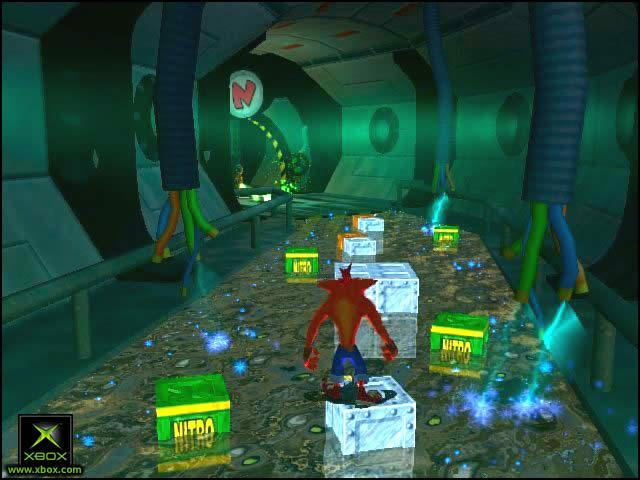
The game was especially often compared with Crash Bandicoot: Warped. For some reviewers, The Wrath of Cortex did not feel like the next major step for the franchise, but rather an attempt to reproduce a successful formula on a new generation of consoles.
At the same time, the game had its strengths. Critics praised its colorful graphics, new vehicle sections, and the traditional Crash difficulty. Some vehicle-based levels were even considered among the most interesting parts of the game.
More important than the critical reception was the strategic shift for the franchise. The Wrath of Cortex became the first main Crash Bandicoot game released beyond PlayStation.
After its PS2 debut, the game was released on Xbox and later on Nintendo GameCube. Crash was therefore gradually transformed from one of PlayStation's most recognizable characters into a multiplatform mascot.
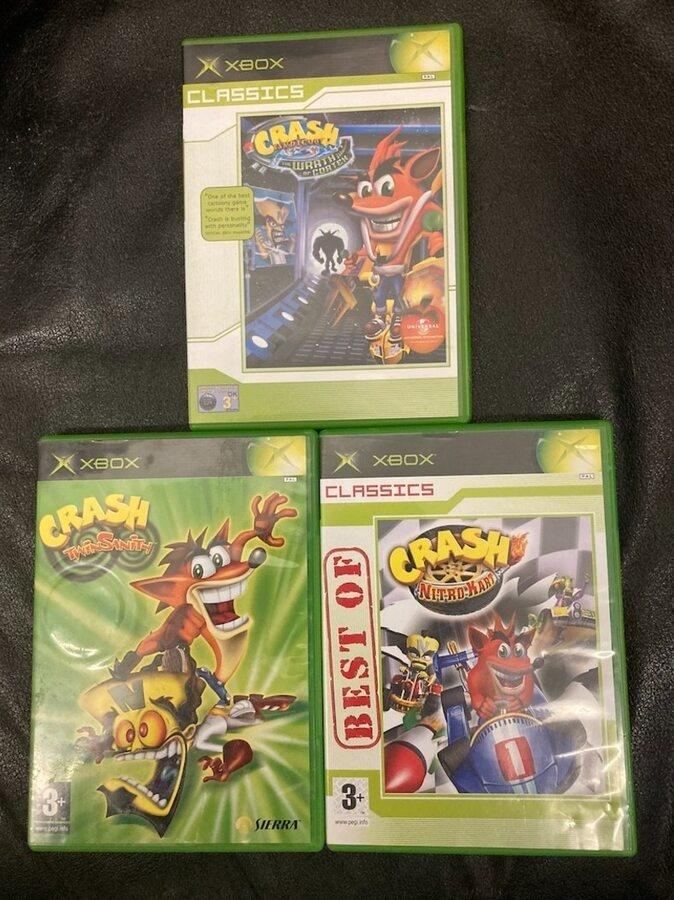
For Universal, this was an important step. Instead of tying the franchise to a single console, the company could now reach a much broader audience.
The paradox of The Wrath of Cortex is that its biggest problem was also its greatest strength: its similarity to the previous games.
On one hand, Traveller’s Tales preserved almost everything that had made Crash popular. Players received a familiar platformer, recognizable characters, collectible items, secrets, bosses, and bonus challenges.
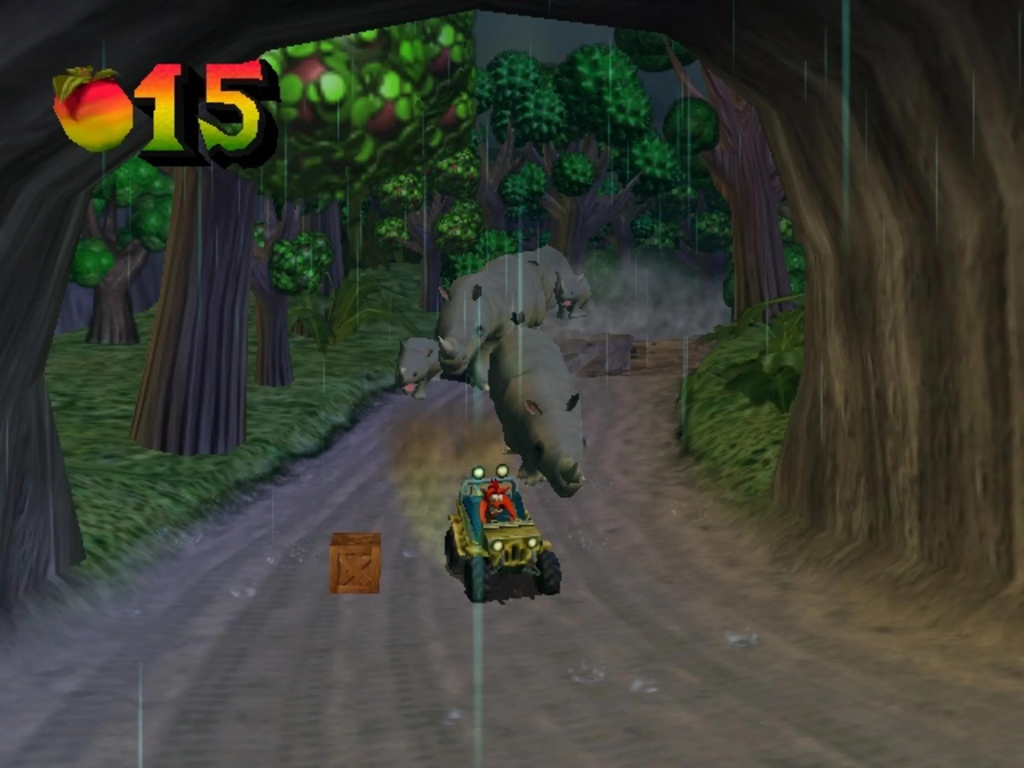
On the other hand, expectations were higher after the move to PlayStation 2. Competitors were already experimenting with larger levels, new mechanics, and different approaches to 3D platforming. Against that background, The Wrath of Cortex often felt like a game that had remained stuck in the previous generation.
GameSpot described it as a highly conservative sequel, while Metacritic recorded generally mixed reviews.
Despite its mixed reception, The Wrath of Cortex played an important role in Crash Bandicoot's history.
It showed how difficult it can be to continue a major franchise after its original creators have moved on. Naughty Dog had already left Crash behind, while Traveller’s Tales was tasked not only with creating a new game but also with preserving the identity of a franchise that had already become a classic.
The game also established the series' multiplatform direction. After this point, Crash was no longer exclusively a PlayStation icon, and the future of the franchise increasingly depended on different publishers and development studios.
Today, The Wrath of Cortex is often remembered as a controversial chapter in Crash's history. It did not revolutionize the series, but it became an important bridge between the Naughty Dog era on the original PlayStation and the next stage of the franchise.
And that is why its story is interesting not only as the history of another platformer. It is the story of the moment when Crash Bandicoot first tried to move forward without Naughty Dog — and discovered how difficult it is to recreate a formula that had already become a classic.
As a reminder, Fallout 3 — how Bethesda brought the iconic RPG back into the spotlight.


