On November 28, 2002, Dark Chronicle, a large-scale action RPG by Level-5 known outside Japan as Dark Cloud 2, was released for PlayStation 2 in Japan. The game became a successor to Dark Cloud, but the developers did not settle for a simple sequel: they created a new story, characters, and significantly expanded the core gameplay mechanics.
At the center of Dark Chronicle are Max, a young inventor, and Monica, a girl who arrives from the future. Their stories gradually intertwine as the heroes discover a threat looming over the world. Monica comes from a future on the brink of destruction, while traveling between different eras becomes the foundation of the entire adventure.
Level-5 was founded in 1998, and Dark Cloud became its first major project. The game was released for PlayStation 2 in 2000 and gave the studio valuable experience working with the platform. According to Level-5 president, producer, and director Akihiro Hino, the team wanted to use that experience to create a much larger project.
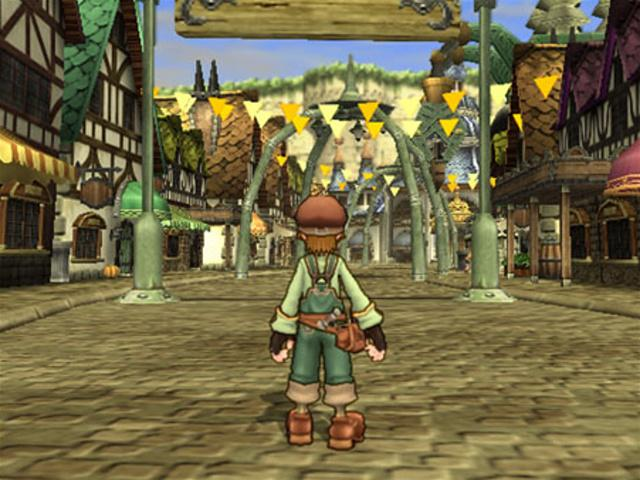
At the same time, Dark Chronicle was not conceived as an ordinary sequel. Hino explained that after completing Dark Cloud, the team wanted to add new elements and turn the next game into a major standalone project. Even the underlying technology and development tools were eventually changed significantly, although the initial plan was to reuse some of the existing technology.
As a result, Dark Chronicle retained some ideas from its predecessor but received a new world, new characters, and a much broader set of mechanics.
The central feature of Dark Chronicle is its focus on time. Max lives in his own era, while Monica arrives from a future where the world is under threat. The heroes must change events in the past in order to influence the future.
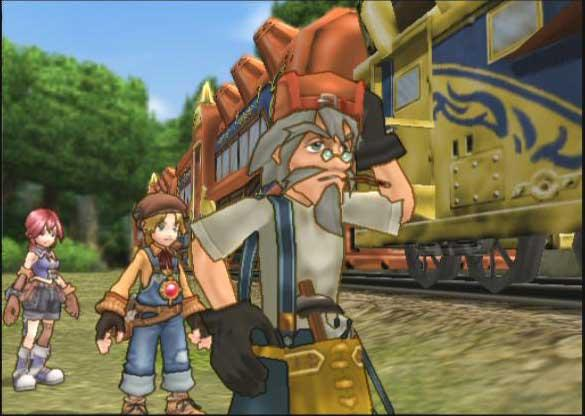
This idea was integrated not only into the story but also into the gameplay itself. The player gradually restores destroyed areas and uses changes to the world to shape subsequent events.
One of the main mechanics in Dark Chronicle is Georama — a system for rebuilding and developing settlements.
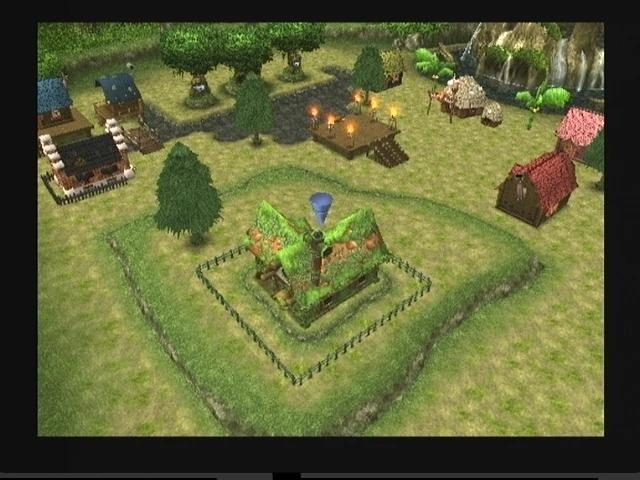
The player does not simply explore dungeons and collect items. The resources they obtain can be used to create and develop towns, place buildings, and fulfill certain conditions required to progress the story.
Level-5 made this system a much larger part of the game than it was in Dark Cloud. The combination of action RPG gameplay and world building became one of Dark Chronicle's defining features.
Real-time combat remained at the core of the game. Players could switch between Max and Monica, using different combat styles.
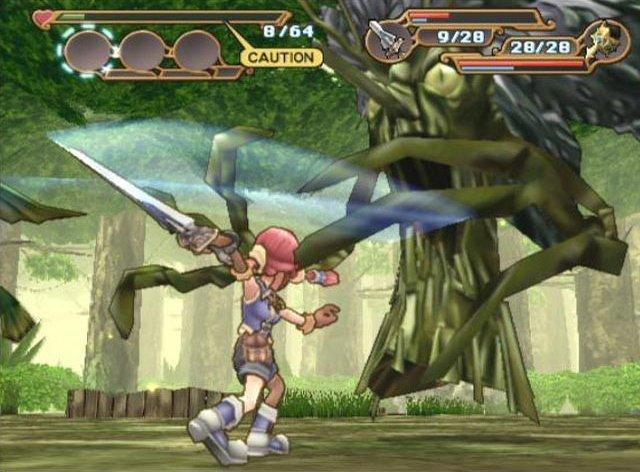
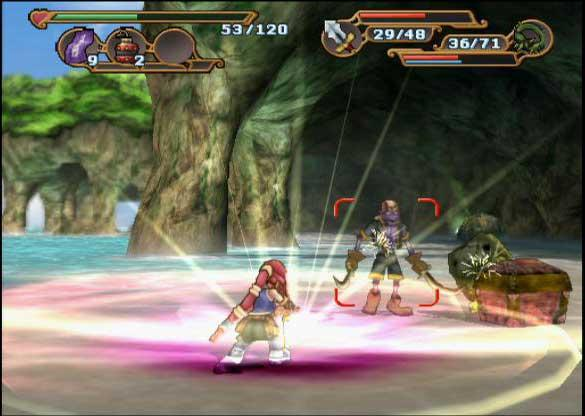
The developers also expanded the weapon system. Weapons could be upgraded, while Max could create new devices and items through the invention system.
To create inventions, players had to explore the surrounding world, photograph objects, and combine the information they obtained. This made exploring locations part of the game's progression rather than simply a way to find another item.
In Japan, the game was released under the name Dark Chronicle, while it was renamed Dark Cloud 2 for North America. The North American release followed in February 2003, while the European release arrived in September of the same year.
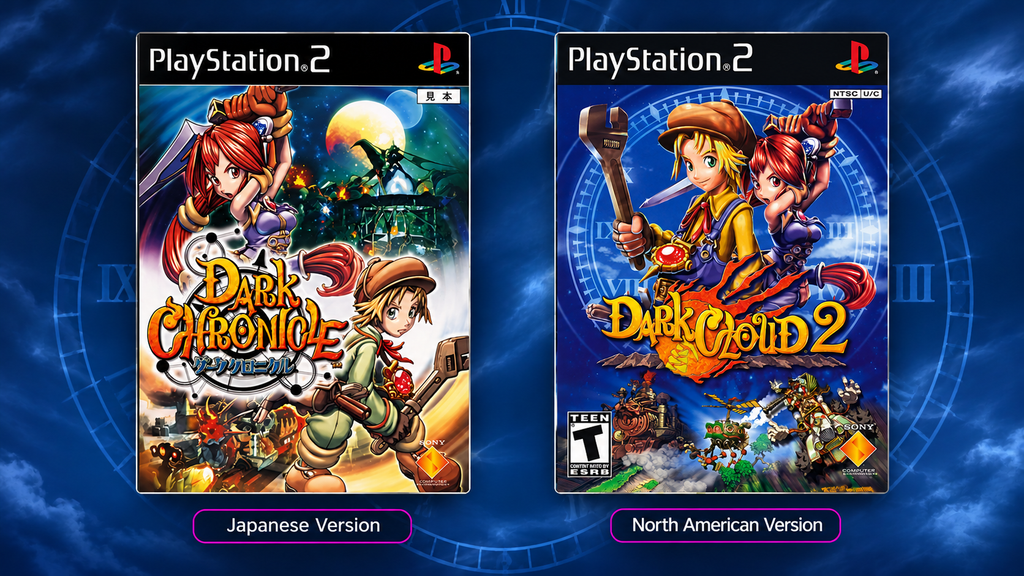
Despite the different names, it is the same game and the second installment in the Dark Cloud series. The name change was related to the game's marketing positioning in Western markets.
Dark Chronicle received positive reviews. The North American version, Dark Cloud 2, has a score of 87 out of 100 on Metacritic based on 41 critic reviews. GameSpot gave the game a 9/10.
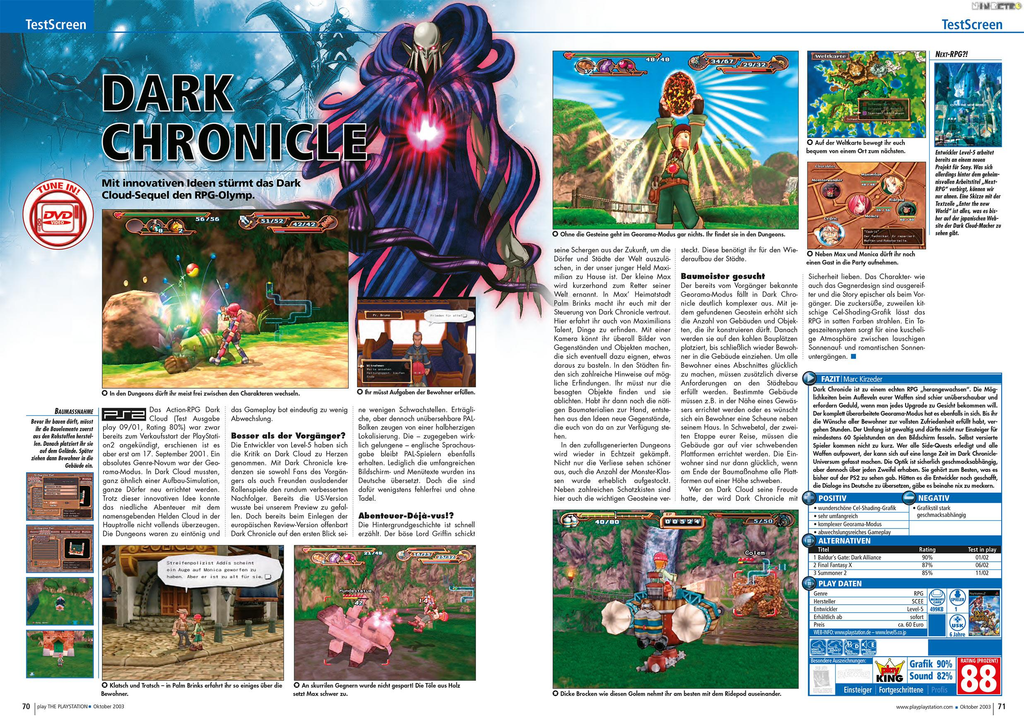
Critics particularly praised the game's scale and variety of mechanics. It combined traditional action RPG elements with settlement building, inventions, weapon development, and travel between different periods of time.
According to Akihiro Hino, Dark Chronicle represented a step forward for Level-5 after its first game. The studio used its experience working with PlayStation 2 but created a much more ambitious project instead of simply repeating the previous formula.
Dark Chronicle remains one of the most unusual RPGs of the PlayStation 2 era. Level-5 took the foundations of Dark Cloud — dungeons, combat, and world restoration — and transformed them into a much larger system in which the story, building, inventions, and time travel worked together.
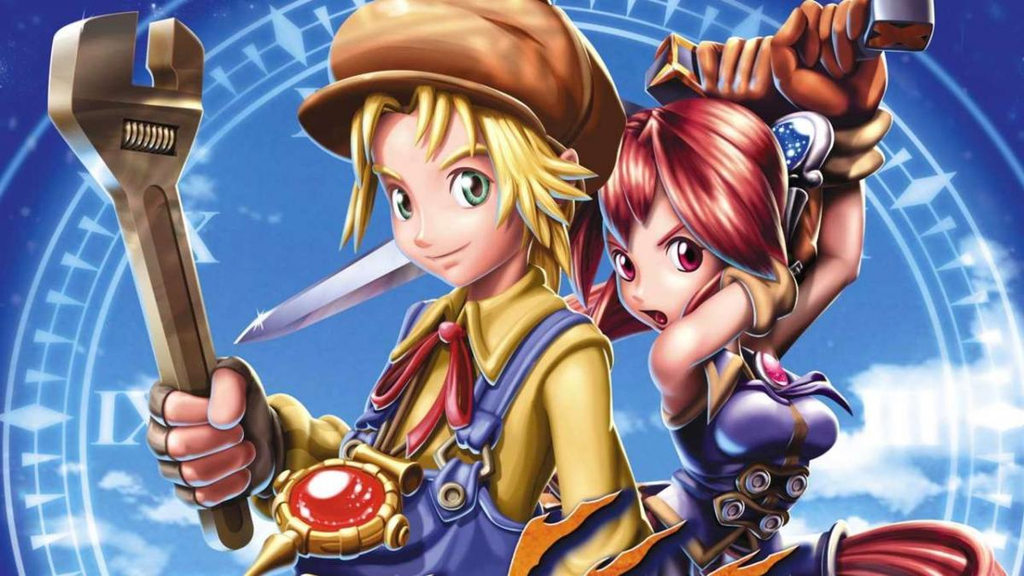
In 2016, the game received a digital version for PlayStation 4.
Today, Dark Chronicle is often remembered as an example of how experimental Japanese RPGs could be in the early 2000s. On November 28, 2002, Level-5 released a game that did more than continue the ideas of Dark Cloud — it attempted to turn them into an entire adventure sandbox, complete with its own world, towns, inventions, and the ability to change the future through the past.
As a reminder, Dreamcast — the story of the console that was ahead of its time.


