Sometimes, stories we return to decades later unexpectedly receive a continuation in the present day.
On September 17, as part of the “History with Players” series, we published an in-depth feature about Prince of Persia 3D — the game that first brought the legendary series into a fully three-dimensional world in 1999. It was a difficult chapter in the franchise’s history: ambitious, troubled, met with mixed reactions from players, and later largely overshadowed by the success of Prince of Persia: The Sands of Time.
We wanted to revisit a game that is discussed far less today than other entries in the series. But we could never have imagined that our article would be read by the person who started the entire history of Prince of Persia.
Jordan Mechner — the creator of the original Prince of Persia — read Players’ retrospective and decided to add his own memories to it.
On October 5, Mechner published an article on his official website titled The rarely discussed POP3D, in which he directly mentioned Players and our article. More importantly, he shared a number of details about the creation of Prince of Persia 3D, his role in the project, and the difficult period that eventually led the series to its major rebirth.
And this story deserves to be told from the very beginning.
Before the Prince, There Was Karateka
Today, the name Jordan Mechner is almost inseparable from Prince of Persia, but his journey in video games began earlier.
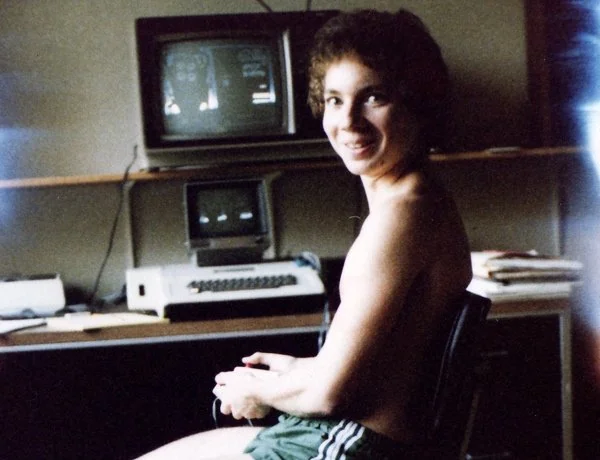
While still a student at Yale University, Mechner worked on Karateka for the Apple II. Released in 1984, it became one of the early examples of how a video game could borrow techniques from cinema not only for presentation, but also for storytelling itself.
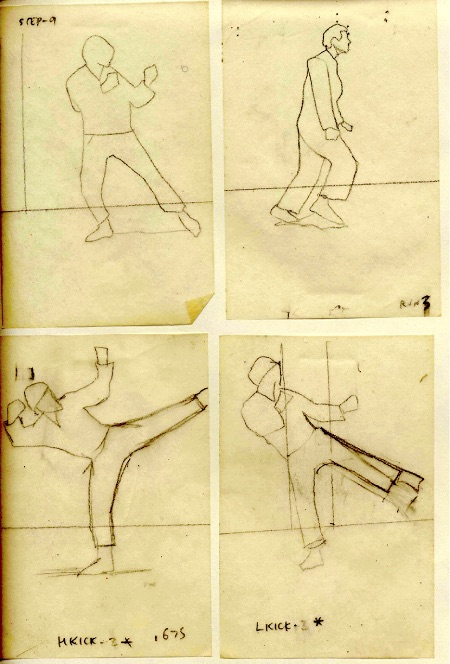
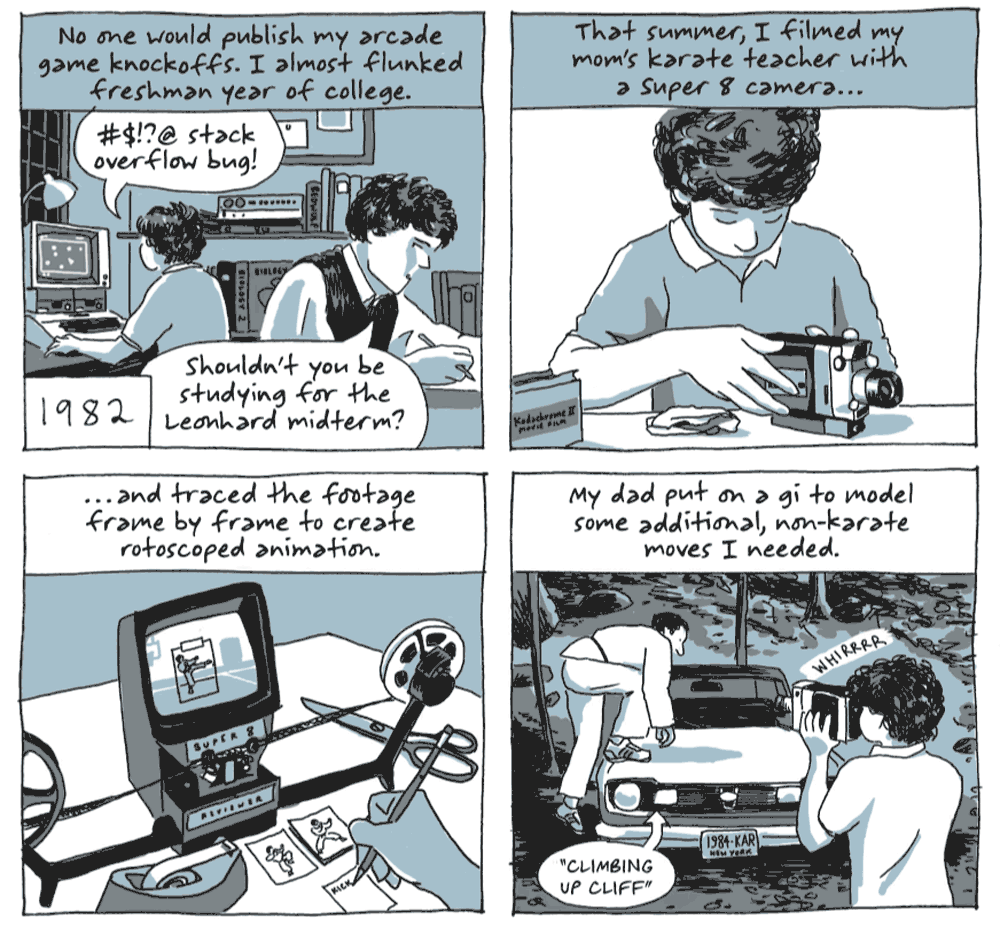
One of Karateka’s key features was its remarkably smooth animation for the time. Mechner used rotoscoping: he filmed the movements of a real person and then transferred them into the game frame by frame.
Karateka became a major success. Mechner later recalled that its reception convinced both him and his parents that creating video games could be more than a hobby — it could be a real profession.
His next project was supposed to build on that success. Instead, it created one of the most recognizable series in the history of the industry.
The Birth of Prince of Persia
Work on the first Prince of Persia lasted around three years. The game was released on the Apple II in 1989.
For the protagonist’s animation, Mechner once again turned to rotoscoping. This time, his model was his younger brother David: Jordan filmed him running, jumping and overcoming obstacles, then manually transferred those movements onto the screen.
As a result, the Prince moved very differently from most characters in platformers of the era. He built up speed before jumping, grabbed the edges of platforms, carefully moved past traps and fought enemies with a sword.
Today, such things may seem familiar. In 1989, they helped create the feeling of a living human being inside the game.
Prince of Persia was not an instant hit after its Apple II release, but its popularity began to grow rapidly as versions for other platforms appeared. Eventually, the original game sold approximately two million copies and became a classic.
In 1993, the story continued with Prince of Persia 2: The Shadow and the Flame. And this is where things become particularly interesting.
Prince of Persia Was Supposed to Be a Trilogy
The Shadow and the Flame ended on a cliffhanger for a reason. Mechner had planned Prince of Persia as a trilogy and wanted to create Prince of Persia 3 after the second game.
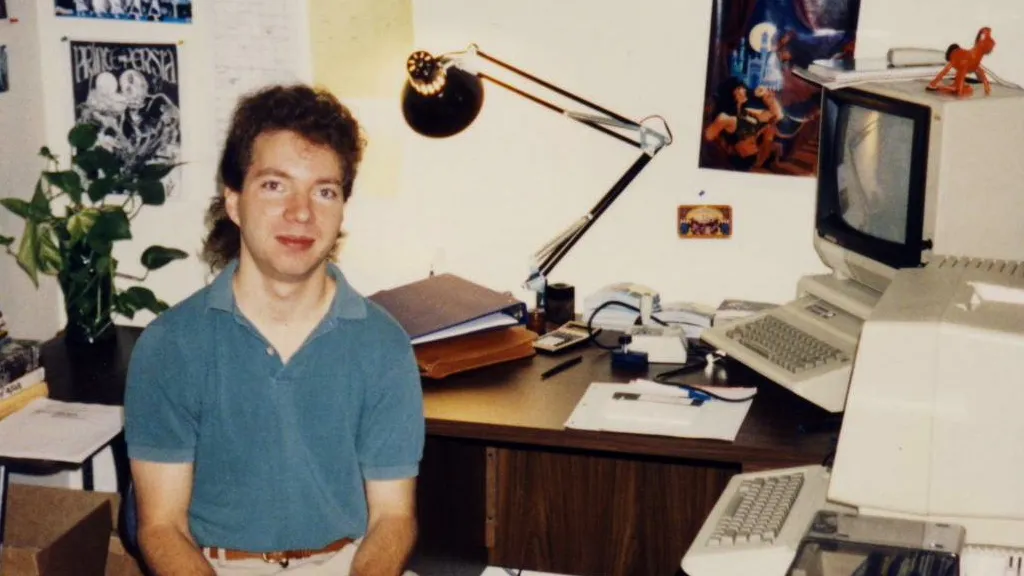
At the time, he was simultaneously founding his own studio, Smoking Car Productions, and preparing the extremely ambitious adventure game The Last Express. Having a second, commercially safer project in the form of another Prince of Persia sequel seemed like a logical decision.
But the industry was changing too quickly. 1993 brought Doom, Myst and The 7th Guest. 3D graphics and new technologies were becoming the major focus of the industry, while traditional 2D platformers no longer looked like its future.
In January 1994, Broderbund abandoned the planned third 2D installment. The Prince was left with an unfinished story. Mechner went on to create a completely different game.
Mechner’s Most Ambitious Project
The Last Express was released in 1997 and became perhaps one of the most interesting experiments in the career of Prince of Persia's creator.
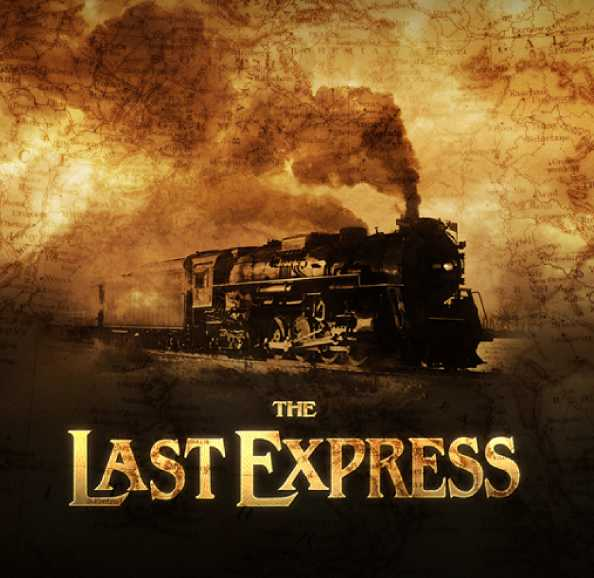
The game was set in July 1914 aboard the Orient Express, traveling from Paris to Constantinople on the eve of World War I. It attempted to create a living world in which characters followed their own schedules and events continued to unfold regardless of the player’s actions.
The project proved extremely difficult. The Last Express was released late and exceeded its planned budget. Mechner recalls investing his entire personal fortune into completing the game, including royalties from the first two Prince of Persia titles.
It was at this point that the Prince returned to his life.
Prince of Persia Returns — But Without Mechner at the Helm
Around the time The Last Express was released, Broderbund representative Andrew Pedersen told Mechner that the company was planning to bring Prince of Persia back. This time — in 3D.
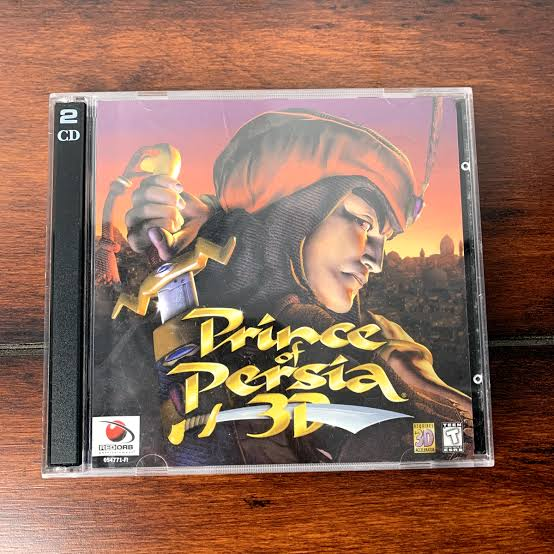
The game was to be developed by a new internal team, Red Orb Entertainment. Mechner was offered a consultant role. However, his involvement was much smaller than it had been on the first two games.
Mechner understood that the team already had its own vision for Prince of Persia 3D. The project was supposed to become one of Red Orb’s flagship titles, with a new development structure inside Broderbund effectively being built around it. As the creator of the series, but not an employee of the company, Mechner did not want to come in and disrupt a direction that had already been established.
So he deliberately remained at a distance. His contribution was primarily focused on consulting and work on cinematic sequences. And even then, there was already a problem the team could not simply ignore.
Her name was Lara Croft.
“Prince of Persia with Breasts and a Gun”
In 1996, Tomb Raider demonstrated just how well acrobatics, exploration, traps and platforming could work in a three-dimensional space.
The irony was that Tomb Raider itself was, in many ways, a descendant of ideas from the original Prince of Persia. Now, however, Prince of Persia had to move into 3D in a world where Lara Croft had already become a superstar.
Mechner recalls a telling phrase that was spoken during one of the early design meetings:
“Lara Croft is basically Prince of Persia with breasts and a gun.”
This raised a much more difficult question: if that was the case, how would Prince of Persia 3D distinguish itself from Tomb Raider with a man in harem pants and a sword?
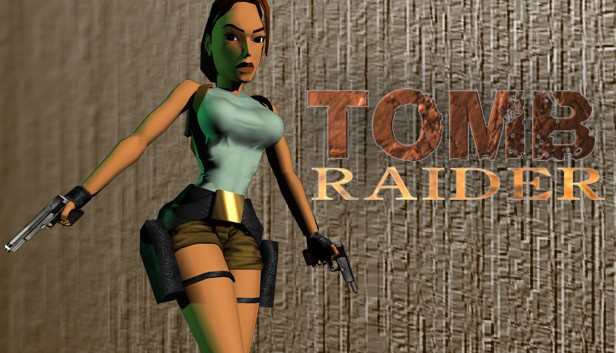
According to Mechner, the team never found a convincing answer. And that was far from the only problem.
The Prince of Persia 3D team was effectively developing the game while simultaneously building a new production process.
For Broderbund, this was unfamiliar territory. At the time, the company was largely focused on educational and productivity software, while Red Orb was supposed to bring it back into major game development.
The developers were working with technologies they did not yet have enough experience with. At the same time, corporate changes were taking place around the company: in 1998, Broderbund was acquired by The Learning Company, which was later acquired by Mattel.
Budgets, management and working conditions were changing. Against this backdrop, Prince of Persia 3D eventually reached release. On September 17, 1999, the Prince fully stepped into the third dimension for the first time.
The result was far from the triumphant return the series might have hoped for. The game was criticized for its technical problems, controls and lack of a distinctive answer to Tomb Raider’s success.
But the story of Prince of Persia 3D did not end there.
Even Mechner Never Finished It
One of the most interesting details in Mechner’s new article is his own experience with the finished Prince of Persia 3D. He admitted that he only made it as far as the second level.
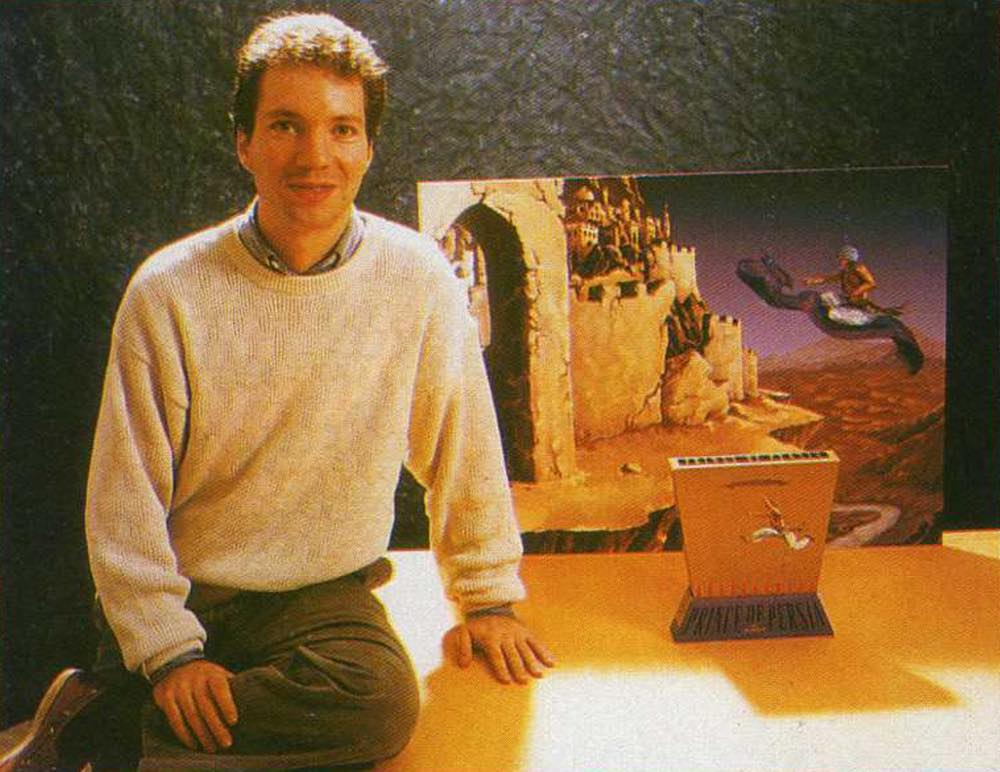
The formal reason was a technical problem: his computer kept crashing in roughly the same location, probably because of a graphics-card bug. But there was another, much more personal reason.
The years 1999–2000 were a period when Mechner stepped away from video games. He focused more on screenwriting and on a new stage of his personal life — becoming a father.
Prince of Persia was left behind for a while. But not for long.
The Phone Call That Brought the Prince Back
After Prince of Persia 3D, the rights to the series eventually ended up in a portfolio acquired by Ubisoft.
In 2001, company founder Yves Guillemot invited Mechner to a meeting in Paris.
The idea was both simple and extremely difficult: bring Prince of Persia back for a new generation of consoles.
The previous attempt to move the series into 3D had failed to meet expectations. Simply relying on nostalgia was not enough. The new Prince of Persia had to prove that it could exist alongside modern games not because of its name, but because of its own ideas.
Mechner joined the Ubisoft Montreal team initially as a creative consultant, and later became much more deeply involved in production: working on the script and game design, as well as casting and recording actors.
In 2003, Prince of Persia: The Sands of Time was released.
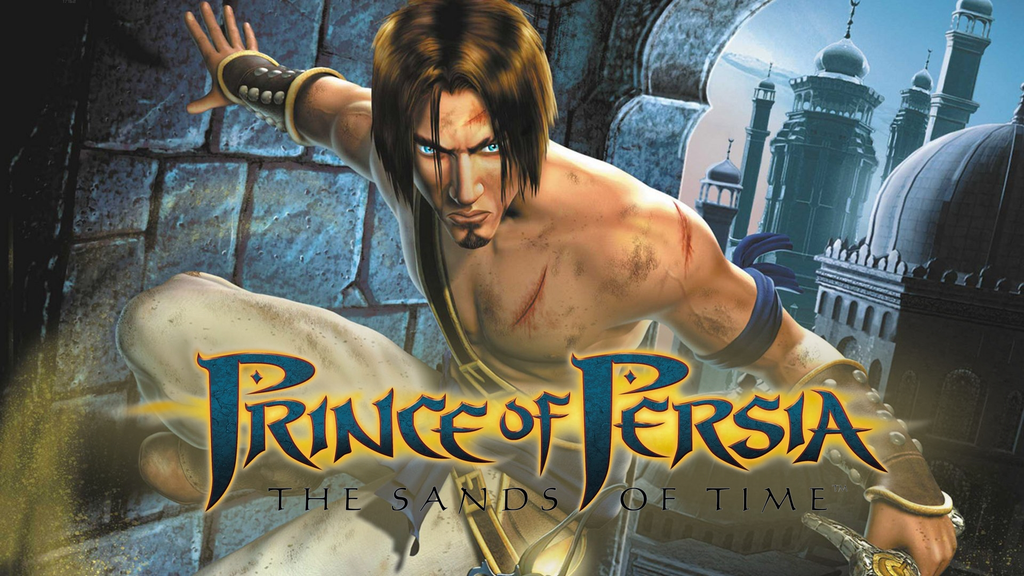
This time, the return succeeded. Parkour, acrobatics, combat and the central mechanic involving the Dagger of Time did not simply modernize the old formula. The Sands of Time once again made Prince of Persia one of the most prominent adventure franchises of its generation.
For Mechner, it marked his return to game development after several years away — and also his last major work directly on the game version of the Prince before the franchise continued its journey with other creators.
So What Happened to Prince of Persia 3D?
Against the backdrop of The Sands of Time’s success, the answer was fairly predictable. People began talking about it less and less.
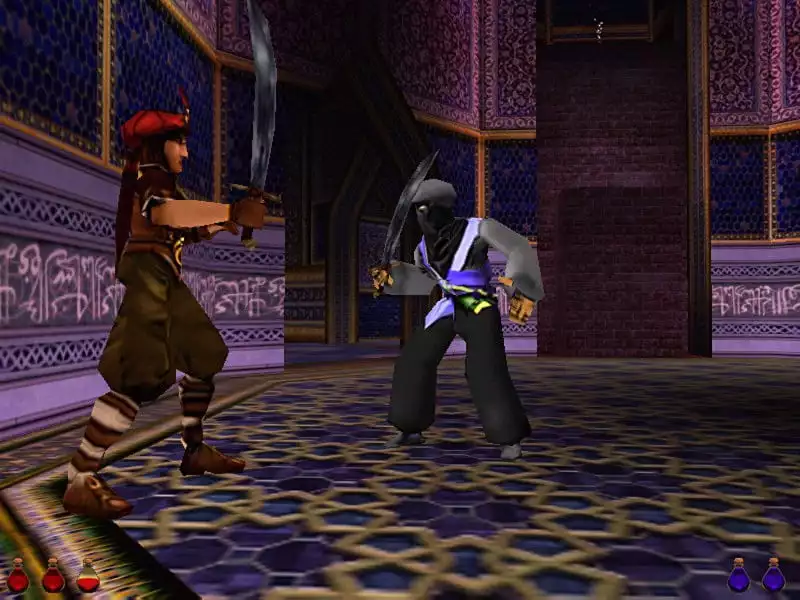
Mechner himself openly acknowledges that after the triumph of The Sands of Time, the 1999 game gradually disappeared from the official history that was convenient to tell about Prince of Persia. It is easy to understand why. Technical problems, mixed reviews and sales below expectations are not the kind of things that are usually highlighted when celebrating a franchise’s successes.
But that is precisely why games like this are worth remembering. Prince of Persia 3D was not the game that returned the series to the top. It did not become the new standard for the genre. It did not achieve the status that The Sands of Time would later earn.
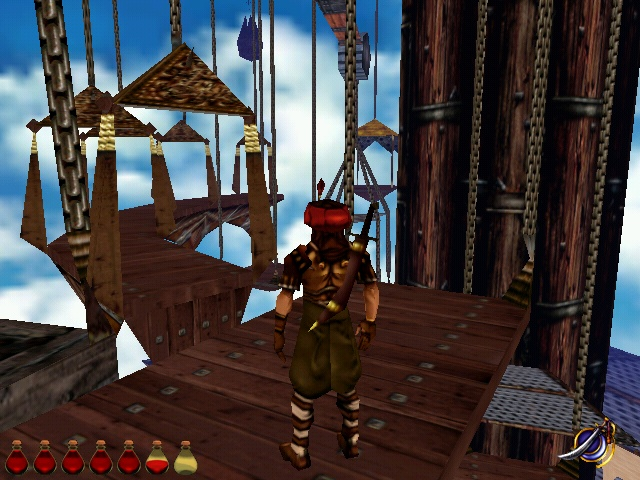
Yet it was the first attempt to answer a question that Prince of Persia would inevitably have to face sooner or later:
How should the Prince move, fight, jump and exist in a three-dimensional world?
Not every experiment ends in a revolution. Sometimes its importance lies in showing its successors where they can go — and which mistakes are better left behind.
Without failed attempts, the history of video games would be incomplete. That is why, on September 17, 27 years after the release of Prince of Persia 3D, we decided to revisit it in “History with Players.” And this is where the story unexpectedly came full circle.
From Players to the Creator of Prince of Persia
On October 5, Jordan Mechner published his own memories of Prince of Persia 3D. He began them with our article.
Mechner wrote that the Kyiv-based publication Players had recently published a retrospective marking the anniversary of Prince of Persia 3D — and that it prompted him to add some of his own background to a game that is rarely discussed today.
So our attempt to bring one of the forgotten chapters of Prince of Persia back from the past unexpectedly led to new memories from the person who created the series itself.
For the Players editorial team, that is already a special moment in itself. But at the end of his article, Mechner wrote something much more important.
I am glad Players took the time to write about this for the 27th anniversary. Thank you to them, and to everyone in Kyiv and Ukraine who continues to live and work under incredibly difficult conditions of constant danger and daily missile attacks. Publishers and distributors of books have been particularly hard hit by attacks in recent weeks.
Those words mean something special to us.

We write about video games, the people who created them, and the stories we do not want to let time erase. We do it in Ukraine — in a reality where the everyday work of an editorial team exists alongside air-raid alerts, shelling and war.
And so, seeing an article from a Ukrainian publication reach one of the people who shaped the history of video games long before Players existed is incredibly meaningful. Reading words of support for Ukraine from him means even more to us.
Jordan, thank you for taking an interest in our work. Thank you for adding new details to this story. And above all, thank you for your support for Ukraine and Ukrainians.
Perhaps Prince of Persia 3D will never become the Prince’s most famous adventure. But 27 years after its release, it has once again reminded us of one important thing.
The history of video games is made not only of flawless masterpieces and winners. It is made of risks, failed decisions, technological experiments, people who tried to do things that had never been done before — and the memory of their work.
Sometimes, all it takes is to tell such a story again. And sometimes, the person who started that story will hear it.
As a reminder, Prince of Persia 3D: How a Legendary Series Took Its First Step into the Third Dimension.