Usually in this column, we recall the releases of iconic games, major tournaments, the births of people who changed the industry, or events that forever remained in gaming history.
But August 26 is a different date. We couldn't miss it, even though this story is not at all about victories, trophies, or records.
Eight years ago, during a Madden NFL 19 tournament in Jacksonville, a tragedy occurred that shook not only the Madden community, but all of esports. It reminded the industry of something that back then was spoken about much less than today — the safety of people who attend esports events.
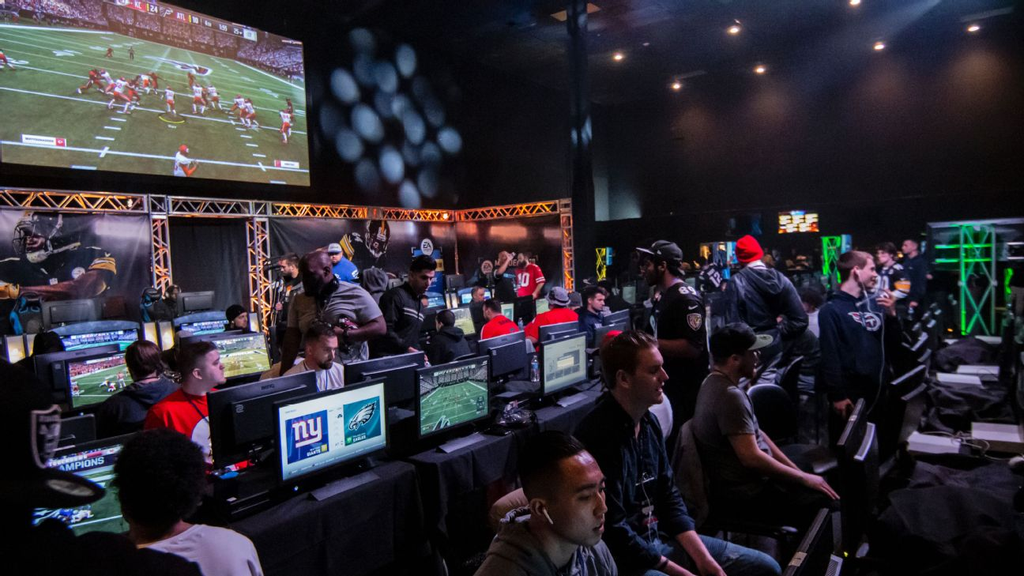
On August 25–26, 2018, the Chicago Pizza and Sports Grille restaurant, located on the grounds of the Jacksonville Landing entertainment complex in Florida, hosted a regional qualifier for the Madden Classic.
For the participants, it was an ordinary competition day: a small LAN event, familiar opponents, a $5,000 prize pool, and an opportunity to advance further in the Madden season.
The tournament brought together representatives of a rather tight-knit professional Madden community. Many players had known each other for years, traveled to competitions together, and effectively formed a distinct esports family.
Among them were Taylor Robertson, known by the nickname SpotMePlzzz, and Elijah Clayton, who was known as Trueboy.
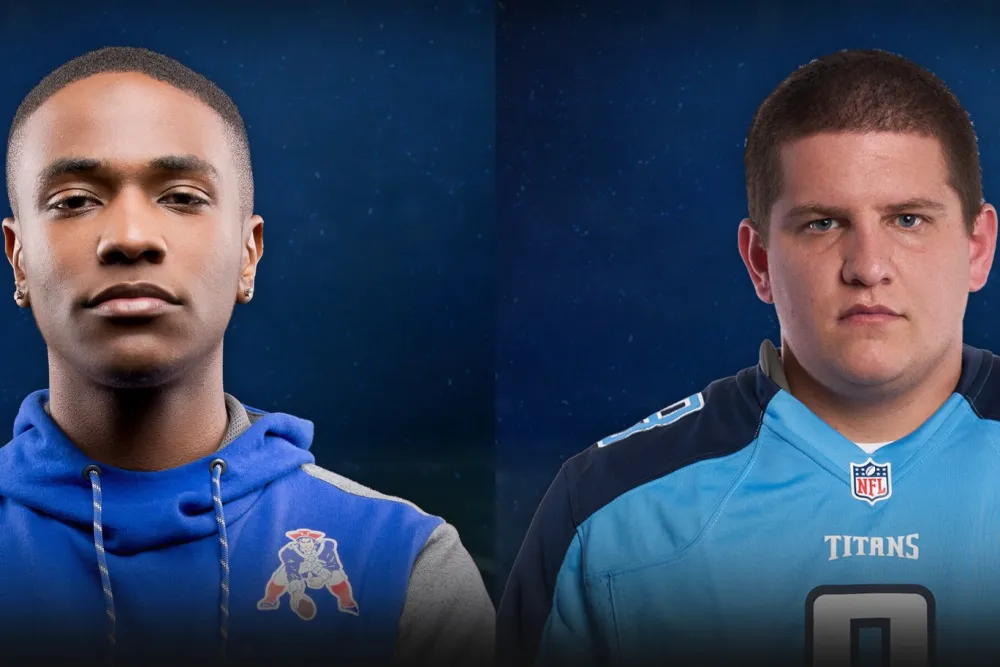
For them, this day was their last.
During the tournament, a 24-year-old participant opened fire inside the venue where the competition was taking place.
As a result of the attack, Taylor Robertson and Elijah Clayton were killed. Eleven more people were injured, nine of them by gunshot wounds. The attacker was David Katz, who subsequently died from a self-inflicted gunshot wound.
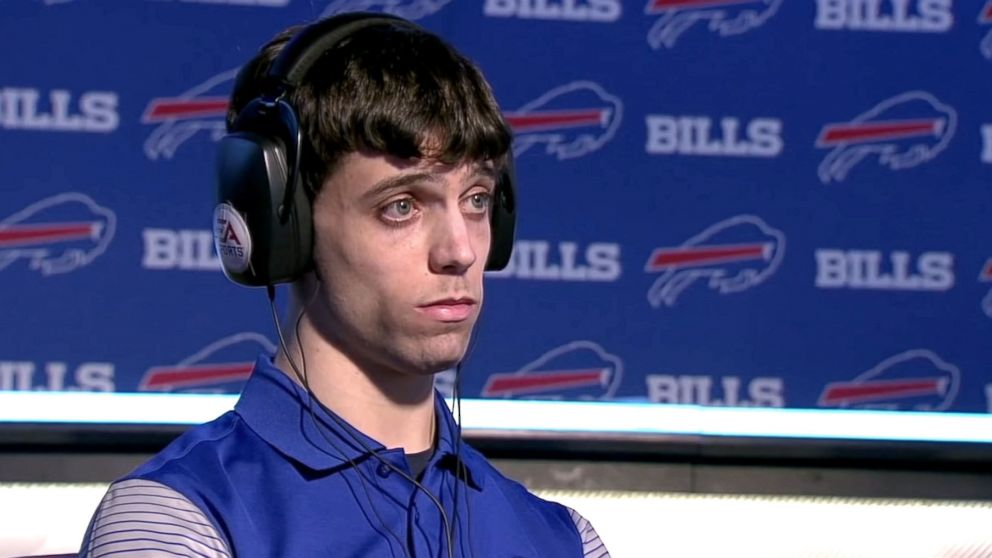
What made it especially eerie was that the tournament was being live-streamed. Viewers who came to watch Madden online effectively witnessed the tragedy through the broadcast.
According to reports from eyewitnesses and participants, after the shooting began, people tried to leave the premises and hide. Some players were wounded, while others managed to escape.
It was a moment when esports suddenly collided with a reality for which the industry turned out to be unprepared.
In 2018, esports was already growing rapidly. Major tournaments were held in arenas, gathered thousands of spectators, and were broadcast to millions of people.
But far from all competitions looked like modern majors or big LAN finals.
Many tournaments were held in restaurants, hotels, conference halls, or other open public spaces. At the same time, the level of security often depended on the specific venue or organizer.
This was precisely one of the main questions after Jacksonville: who is responsible for security at an esports tournament?
And should publishers set unified security requirements for all their competitions?
Following the tragedy, critics pointed out that small esports events often had far fewer security measures than major sports arenas.
Electronic Arts' response was swift. The company canceled the final three qualifying tournaments for the Madden Classic, stating that it would conduct a comprehensive review of security protocols for players and spectators.
EA also announced its intention, along with its partners, to establish a more consistent level of security at its esports events.
This was an important decision: for the first time, a major publisher effectively acknowledged that organizing an esports tournament is not just about a stage, computers, a broadcast, and a prize pool.
There is another critically important component — the safety of people.
After Jacksonville, security issues began to be discussed more actively in other esports and gaming communities as well.
Major events, including TwitchCon, began reviewing their own security plans. Organizers of other gaming expos and esports tournaments also announced enhanced security measures. Among them mentioned were PAX, Game Developers Conference, E3, League of Legends Championship Series, and EVO.
For major tournaments, this meant even greater focus on entrance control, bag checks, security presence, and coordination with law enforcement. Over time, such things became a standard part of major LAN events.
Eight years have passed. Esports has changed almost beyond recognition during this time. Tournaments have become larger in scale, arenas bigger, prize pools higher, and the level of organization has grown significantly.
Today, at major LAN events, entrance checks, security guards, and access control are taken for granted.
But behind these rules are not just documents and protocols. There are people.
Taylor Robertson and Elijah Clayton came to the Madden tournament that day to do what they loved. They were professional players, competitors, and part of their community.
That is why August 26 is not just a date on the esports calendar.
It is a reminder that behind every tournament, broadcast, match, and statistic, there are real people.
And if the industry has become safer after that tragedy, then one of the most important ways to honor the memory of those lost is not to let this story get lost.
On August 26, 2018, esports lost two of its players.
We remember.
As a reminder: GoldenEye 007: How a Movie Adaptation Changed Console Shooters.


