On August 6, 1986, Metroid was released in Japan for the Famicom Disk System — a game that forever changed the perception of action-adventure games. At first glance, it looked like just another platformer for the Nintendo console, but in reality, it offered a completely different experience. Instead of traditional levels with a clear beginning and end, players were given a vast, interconnected world to explore, gradually unlocking new paths using acquired abilities.
In the mid-1980s, Nintendo was experiencing rapid growth. Following the massive success of Super Mario Bros., the company sought to expand the Famicom library not only with platformers, but also with more ambitious projects.
The development of Metroid was entrusted to the Nintendo R&D1 team under the leadership of producer Gunpei Yokoi — the legendary engineer who would later create the Game Boy. Satoru Okada and Yoshio Sakamoto served as directors, while composer Hirokazu Tanaka joined to work on the music.
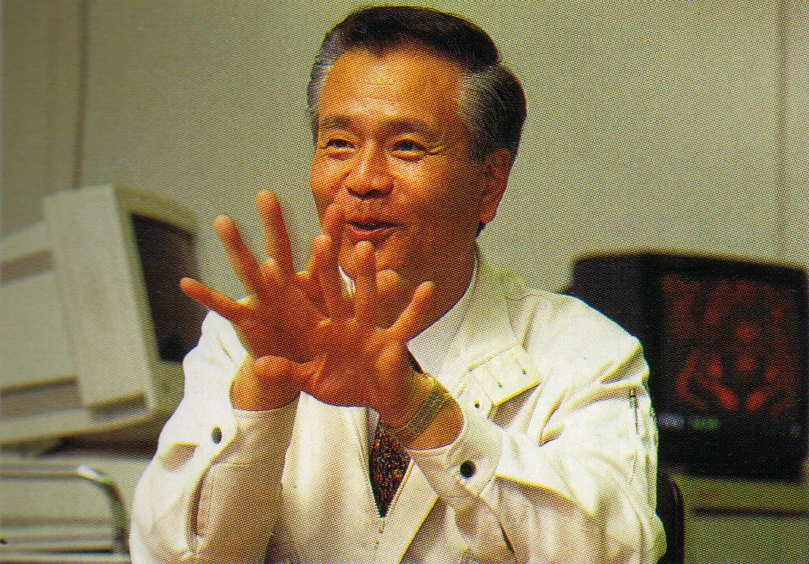
The developers drew inspiration from several sources at once. On one hand, they wanted to transfer the spirit of exploration from adventure games like The Legend of Zelda, and on the other hand, create a significantly darker atmosphere reminiscent of sci-fi films, primarily Ridley Scott's Alien.
As a result, a completely different concept of an adventure game was born.
Unlike most games of the mid-1980s, Metroid explained almost nothing. The player landed on the planet Zebes without a detailed backstory, a map, or clear directions. Before them lay a massive maze of dozens of rooms filled with dangerous creatures, secrets, and locked passages.
Today such a structure seems familiar, but in 1986 it was revolutionary.
Most platformers of that era offered a simple formula: complete a level, defeat a boss, move to the next stage. Metroid completely abandoned this approach.
When a player found a new suit upgrade — such as the Morph Ball, Ice Beam, or High Jump Boots — they didn't just become stronger. Entire regions of the planet that were previously inaccessible opened up to them.
Thus, the game constantly forced players to backtrack to familiar locations, uncovering them in an entirely new way. It was this idea that would later become the defining characteristic of the Metroidvania genre.
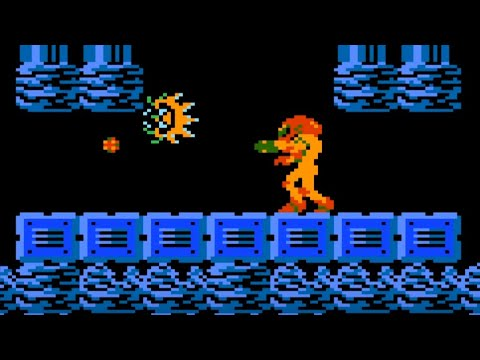
Although Metroid is formally an action-platformer, its key feature was not the shooting. The developers placed their bet on world exploration. Players gradually memorized routes, found hidden passages, destroyed suspicious walls with bombs, experimented with new abilities, and uncovered more and more secrets.
In effect, Metroid rewarded curiosity. While most games punished deviating from the main path, here exploration itself brought the greatest reward.
This approach was a true revelation for the industry. Today, it is used by dozens of famous series, including Hollow Knight, Ori, Axiom Verge, Animal Well, Control, Star Wars Jedi: Fallen Order, and many others.
Another bold decision was the game's atmosphere. In Metroid, there are almost no dialogues. Music often gives way to an eerie silence. The caves of Zebes feel abandoned, and every new area evokes a sense of the unknown. For an 8-bit console, this was an incredible achievement.
The developers utilized Hirokazu Tanaka's minimalist soundtrack in such a way that the player felt isolated in a hostile world.
It was this atmosphere that became one of the key elements of the series. Even modern titles like Metroid Prime and Metroid Dread have retained this sense of isolation that first appeared back in 1986.
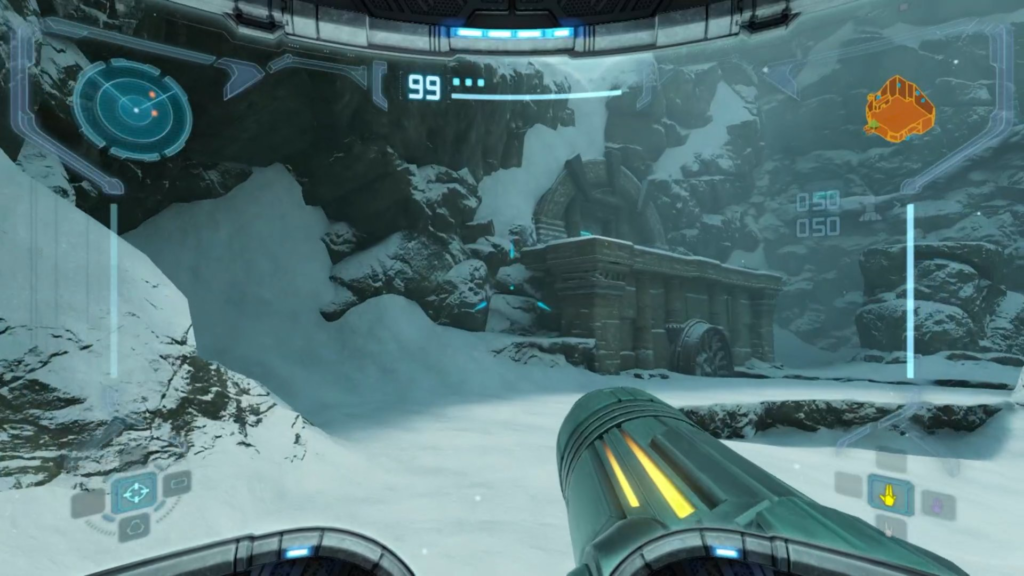
Today, many games literally hold the user's hand. Mission markers, quest logs, compasses, route highlights — all of these have long become standard. Metroid offered the exact opposite.
The game did not explain where to go. It did not hint at which ability to look for. It did not show a map. Uncovering the world depended entirely on the player's own attentiveness.
At the time, this was a bold design experiment. Nintendo effectively trusted the audience to figure out the rules of a vast maze on their own.
That is why Metroid is often called one of the first games to reward not just quick reflexes, but also curiosity, logic, and memory.
Many modern developers consider this principle one of the main reasons for the game's longevity. Even decades later, exploring Zebes remains engaging, as each new playthrough allows players to discover new routes, shortcuts, and secrets.
Metroid didn't just create a new type of adventure game. It demonstrated that discoveries could be just as satisfying as boss fights, and that the process of exploration itself could serve as the foundation of the entire gameplay experience.
When speaking of Metroid's legacy, it is impossible to overlook the figure of Samus Aran. Today, she is one of the most famous heroines in video games, but in 1986, her arrival was a true revolution.
In the early 1980s, most protagonists were male. Mario rescued Princess Peach, Link embarked on quests for Zelda, and action heroes increasingly resembled Hollywood movie characters. Women, if they appeared at all, usually played supporting roles or damsels in distress.
Nintendo decided to break this rule. Throughout the entirety of Metroid, players were convinced they were controlling a man in futuristic armor. Samus barely spoke, and her Power Suit completely concealed her appearance. Only after the final battle was one of the most famous scenes in video game history revealed.
If the game was completed quickly enough, Samus would remove her helmet, revealing that the legendary bounty hunter was actually a woman.
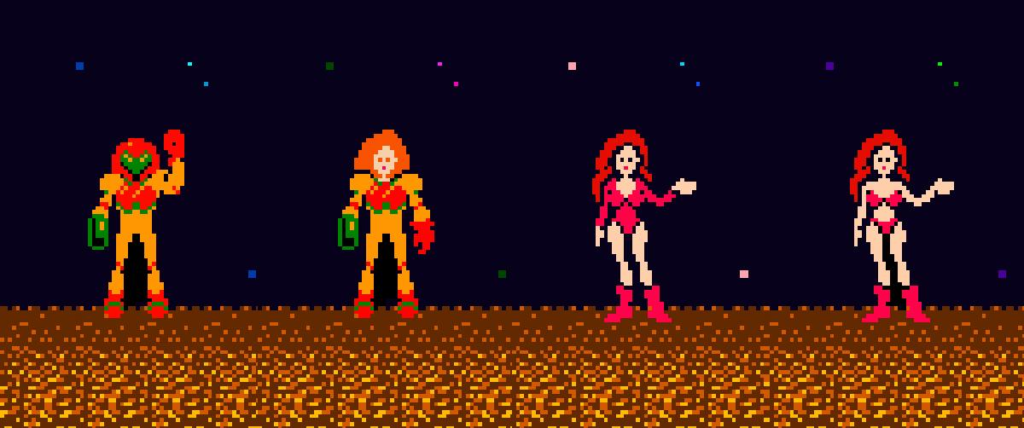
To a modern audience, this might seem like an ordinary plot twist, but in 1986, such an ending literally revolutionized perceptions of video game protagonists.
What makes it especially interesting is that Nintendo barely advertised this fact. The company consciously hid Samus's identity, allowing players to make the discovery on their own.
Yoshio Sakamoto later recalled that the team wanted to surprise the audience and create a moment people would talk about long after completing the game. Judging by how even today this ending regularly makes lists of the best plot twists in gaming history, the vision paid off completely.
Samus's popularity wasn't solely due to the unexpected twist. Unlike many protagonists of that era, she did not need saving, was no one's sidekick, and was not created merely to adorn a game cover.
Samus was a professional bounty hunter who single-handedly undertook the galaxy's most dangerous missions. She fought space pirates, destroyed biological weapons, and saved entire civilizations without the help of allies.
Her character was revealed not through lengthy dialogues, but through the gameplay itself. The lonely journey across Zebes, constant danger, and the need to rely solely on her own strength made Samus one of Nintendo's most recognizable characters.
Over the years, her persona grew increasingly deeper. This is particularly evident in Super Metroid, the Metroid Prime series, Metroid Fusion, and Metroid Dread, where developers paid greater attention to her emotions, motivation, and past.
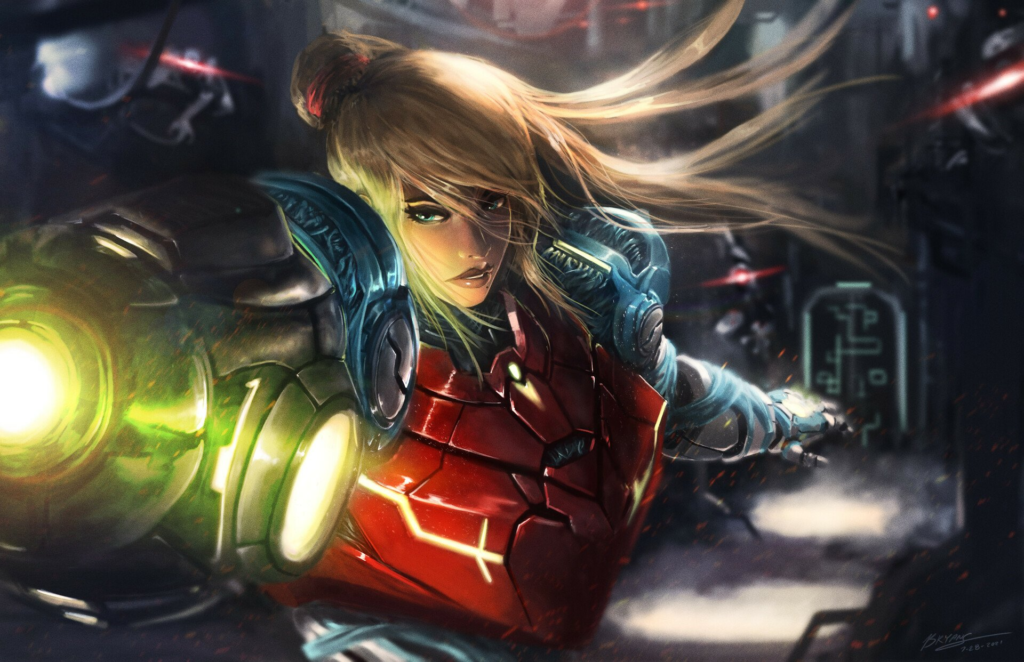
Today, Samus Aran stands alongside Mario, Link, Kirby, and Pikachu as one of Nintendo's core icons. Interestingly, Metroid itself was never positioned as a distinct genre. In 1986, it was simply an unusual action-adventure game.
The situation changed nearly eleven years later when Konami released Castlevania: Symphony of the Night.
The game inherited many design choices pioneered by Metroid: a non-linear map, backtracking to old locations upon gaining new abilities, secret rooms, alternate routes, and an emphasis on exploration.
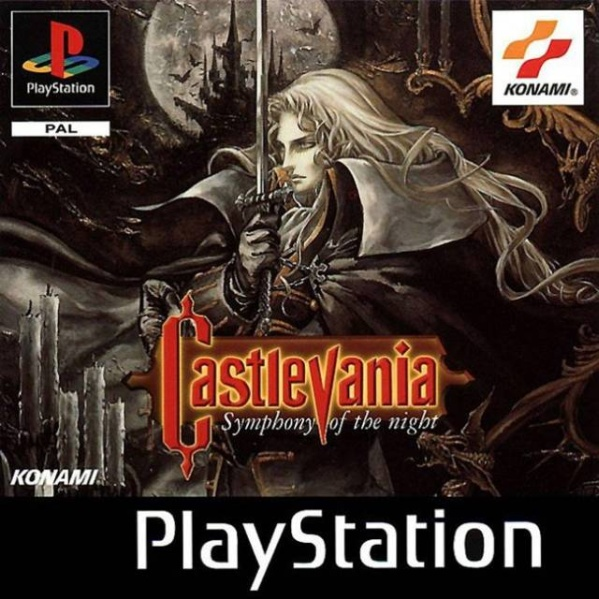
Journalists and fans quickly noticed the similarities between the two series. Thus, the unofficial term "Metroidvania" was born, combining the names Metroid and Castlevania.
Initially, it was used only to describe games in the Castlevania series that adopted Metroid's structure, but over time, the concept broadened significantly.
Today, Metroidvania is a standalone genre whose entries are built around several key principles:
It was these elements that Metroid combined for the first time. Today, the influence of Metroid can be seen across nearly the entire industry.
Following the release of Hollow Knight, the genre experienced a new wave of popularity. Team Cherry has repeatedly acknowledged being inspired specifically by Metroid and Super Metroid. Moon Studios used a similar formula when creating Ori and the Blind Forest and Ori and the Will of the Wisps. Other prominent entries in the genre include Blasphemous, Axiom Verge, Ender Lilies, Animal Well, SteamWorld Dig 2, Prince of Persia: The Lost Crown, and dozens of other projects.
Metroid's influence is felt even in major AAA titles. The Batman: Arkham series utilizes a gadget-based system to open up previously inaccessible zones. Respawn Entertainment applied a similar principle in Star Wars Jedi: Fallen Order and Jedi: Survivor, where new abilities allow players to return to previously explored planets and discover hidden areas.
Even Remedy's Control was dubbed a 3D Metroidvania by many critics, owing to its interconnected structure and continuous unlocking of new capabilities.
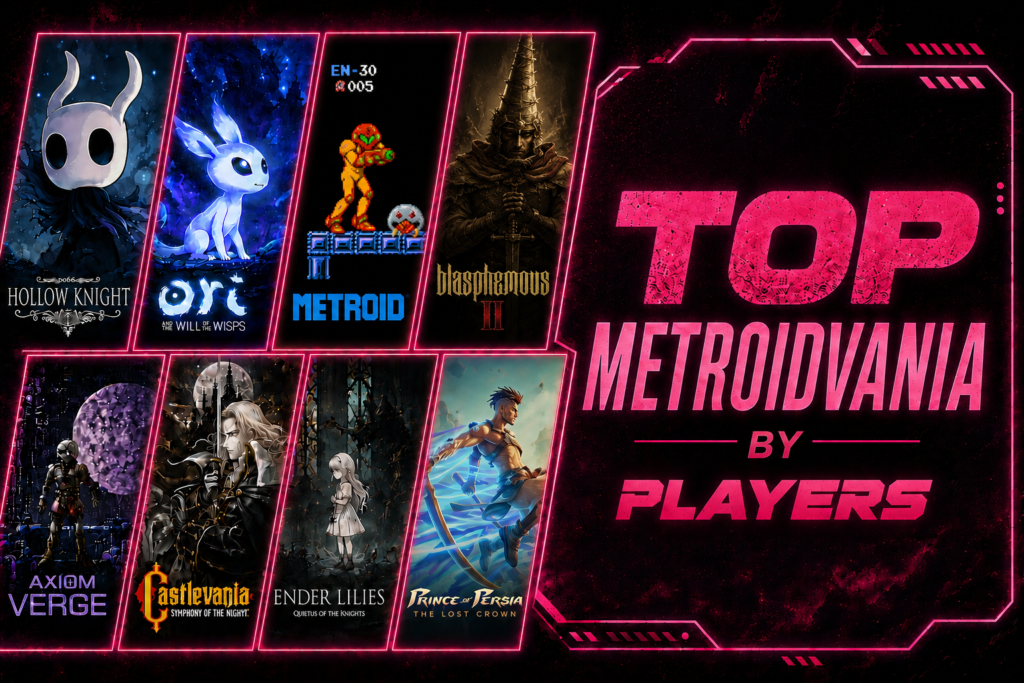
In effect, the ideas Nintendo introduced back in 1986 are used today by hundreds of studios worldwide. That is why Metroid is often called not just a successful game, but a project that shaped an entire direction in the evolution of action-adventures.
Four decades have passed, but Metroid continues to be studied by players and developers alike. The reason lies not in nostalgia or historical value, but in the fact that the fundamental principles of the game's design remain relevant today.
One of Metroid's defining traits was that each new upgrade altered not only the character's capabilities, but also the perception of the entire world. A newly found item opened new passages, shortened routes, or allowed different ways to interact with already familiar locations. Thus, progression felt non-numerical — not through stat boosts or increased power, but through a continuous expansion of exploratory freedom.
Today, this principle is called ability gating — restricting access to certain areas that open only after obtaining new abilities. In modern game design, it is considered one of the most effective ways to motivate players to explore the world and reward them for attentiveness.
No less important was the structure of the map itself. Zebes did not consist of isolated levels — it was a single interconnected space where each region logically joined with others. This approach was a genuine breakthrough for the second half of the 1980s, when most platformers were built on a level-by-level basis.
Another standout feature was the near-total absence of tutorials. The game did not explain mechanics through lengthy texts nor did it hold the player's hand. It allowed room to experiment, make mistakes, and discover the rules independently. That is why completing Metroid often turned into a personal adventure, where every discovery brought genuine satisfaction.
Modern studios are increasingly returning to this philosophy. Elden Ring, Hollow Knight, Animal Well, and other prominent projects also rely on player curiosity rather than endless hints or markers.
Following the success of the original game, Nintendo returned to the series repeatedly, but it is Super Metroid, released in 1994 for the Super Nintendo, that many consider the pinnacle of the classic formula.
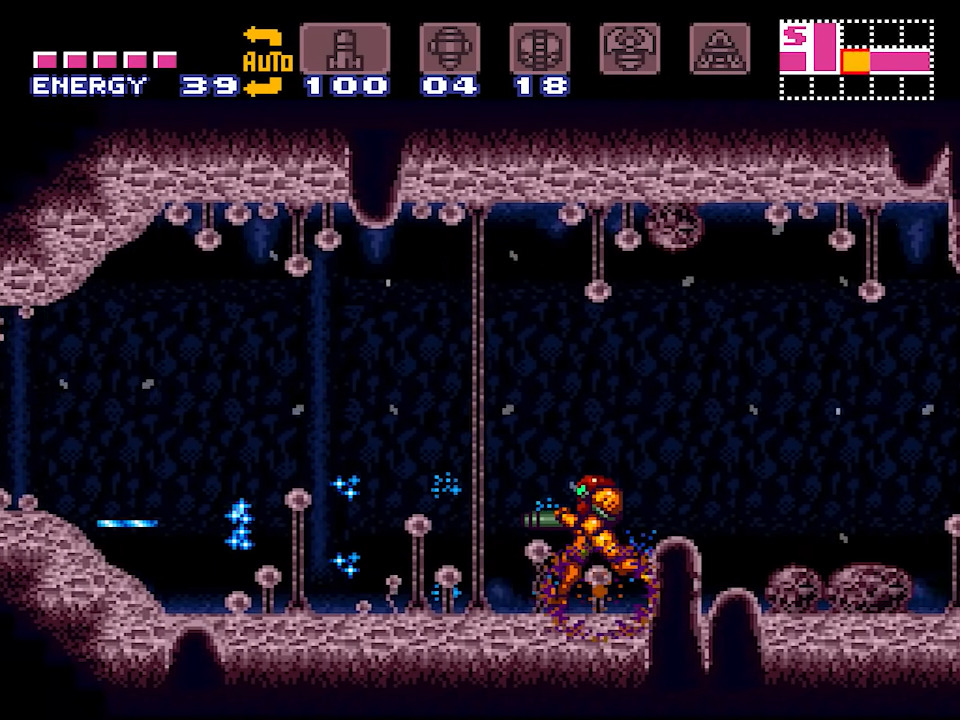
The game made the map even larger, improved controls, expanded ability variety, and significantly heightened the atmosphere. It learned to tell a story almost without words, utilizing environment, animation, and music. Even today, Super Metroid regularly tops lists of the greatest games of all time and is regarded as one of the prime examples of flawless level design.
In the early 2000s, Nintendo undertook a bold experiment. Together with Retro Studios, the company transitioned the series into 3D space.
Many fans doubted Metroid could work in a first-person shooter format. However, Metroid Prime proved otherwise. The developers managed to retain the spirit of exploration, isolation, and gradual world discovery, while adapting the formula to a new dimension.
Metroid Prime became one of the highest-rated games of the GameCube generation, eventually evolving into its own successful sub-series.
In 2021, Nintendo released Metroid Dread — the first completely new 2D entry in the mainline series in nearly two decades. The game received critical acclaim, demonstrated strong sales, and proved that the classic Metroid formula had lost none of its relevance, even 35 years after the franchise's debut.
Dread combined traditional world exploration with modern graphics, fluid controls, and new mechanics, while staying true to the principles established back in 1986.
After almost eight years of waiting, Metroid Prime 4: Beyond was finally released on December 4, 2025, becoming one of Nintendo's biggest releases in recent years. The game marked the full-fledged return of Samus Aran in a first-person adventure format and proved that the Metroid Prime formula remains relevant even more than two decades after the first entry's debut.
In Beyond, players set off for the mysterious planet Viewros, where Samus gains new psychic abilities that open up additional opportunities for world exploration and puzzle-solving. Retro Studios preserved the core principles of the series — the atmosphere of isolation, non-linear exploration, gradual unlocking of new routes, and a balance between action and environmental study, while utilizing modern technologies and a significantly larger world.
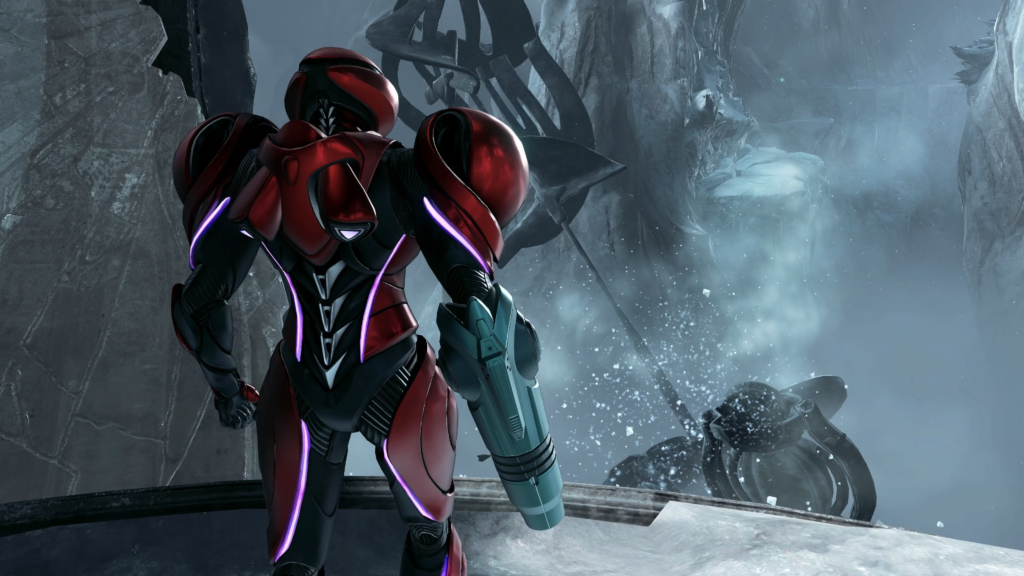
The release of Metroid Prime 4 became an important event not only for fans of the franchise, but for the entire industry. After numerous delays and a complete development reboot in 2019, Nintendo and Retro Studios were able to release a game that continued the series' traditions and reminded everyone why the name Metroid has been associated with quality game design and an unforgettable atmosphere for almost forty years.
Not every iconic game stands the test of time. Many projects that once seemed revolutionary are now viewed merely as curious historical experiments.
Metroid is a completely different case. Its core mechanics have not only retained their relevance — they became the foundation for an entire genre. Hundreds of developers utilize the principles laid down by Nintendo back in 1986, while millions of players continue to discover games inspired by Samus Aran's journey across planet Zebes.
That is why Metroid cannot be called simply an NES classic or a successful Nintendo franchise. It is one of those few games that changed the very language of game design. It proved that a game world could be a single living system that unlocks gradually, rather than a set of separate levels; that exploration can be just as thrilling as combat; and that trusting the player can serve as the driving force of an adventure.
Forty years after its Japanese release, Metroid remains not only a monument in video game history, but also a source of inspiration for new generations of developers. And as the industry continues to seek new ways to surprise players, the legacy of this game only grows stronger, serving as a reminder that truly great ideas never age.
As a reminder, Super Mario World 2: Yoshi’s Island — the game that saved 2D platformers and forever changed Nintendo.


