On September 23, 1889, in Kyoto, Fusajiro Yamauchi founded a company that, more than a century later, would become one of the most recognizable names in the global video game industry. At the time, it was a small workshop producing traditional Japanese Hanafuda playing cards. Consoles, video games, and Mario were nowhere in sight.
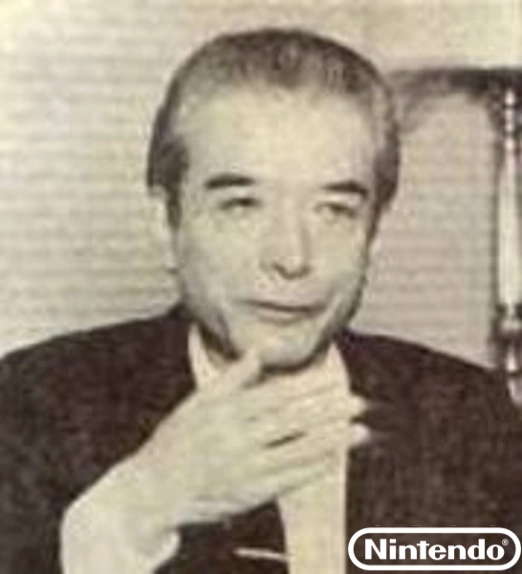
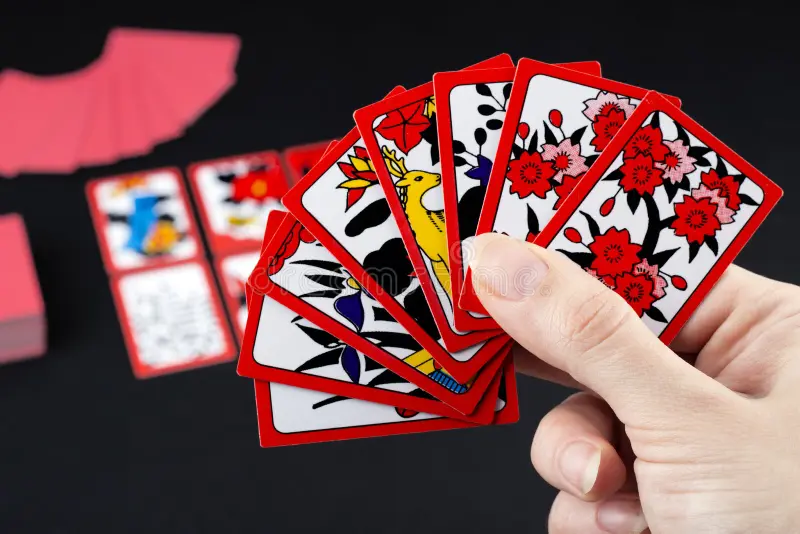
Yamauchi started his own business in Kyoto, where he manufactured and sold Hanafuda cards. Unlike ordinary playing cards, Hanafuda cards are small in format and feature colorful images associated with nature and the seasons. A classic deck consists of 48 cards — four cards for each of the 12 months. These cards became the foundation of what would eventually become Nintendo.
The First Decades — No Video Games
During its early years, the company focused on producing cards by hand. Demand for Hanafuda was sufficient for the business to gradually grow, but it was still a long way from becoming a global brand.
At the beginning of the 20th century, Nintendo began expanding its product range. In 1902, Yamauchi established the production of Western-style playing cards — standard playing cards that were popular in Europe and the United States. This was an important step: the company was no longer focused exclusively on traditional Japanese cards and began reaching a broader audience.
Over the following decades, the business gradually expanded. Nintendo went through several changes in leadership and transformations, but it continued to remain a playing card manufacturer.
Disney Helps Nintendo Reach a New Audience
One of the major turning points came in 1959, when Nintendo began producing playing cards featuring Disney characters.
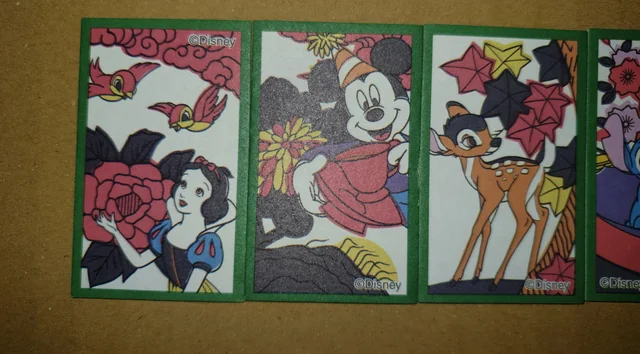
For the company, this was a major commercial move. Popular characters helped Nintendo attract the attention of children and families, while the company gained an opportunity to move beyond its traditional audience of card players.
By this point, Nintendo had already transformed from a small workshop into a serious manufacturer of gaming products. However, the real revolution was still ahead.
Nintendo Begins Searching for Its Identity
In the 1960s, the company began experimenting with new directions. In 1963, Nintendo changed its name to Nintendo Co., Ltd. and began producing a variety of games and other entertainment products.
This period became something of a laboratory for the future company. Nintendo experimented with toys, board games, and other products.
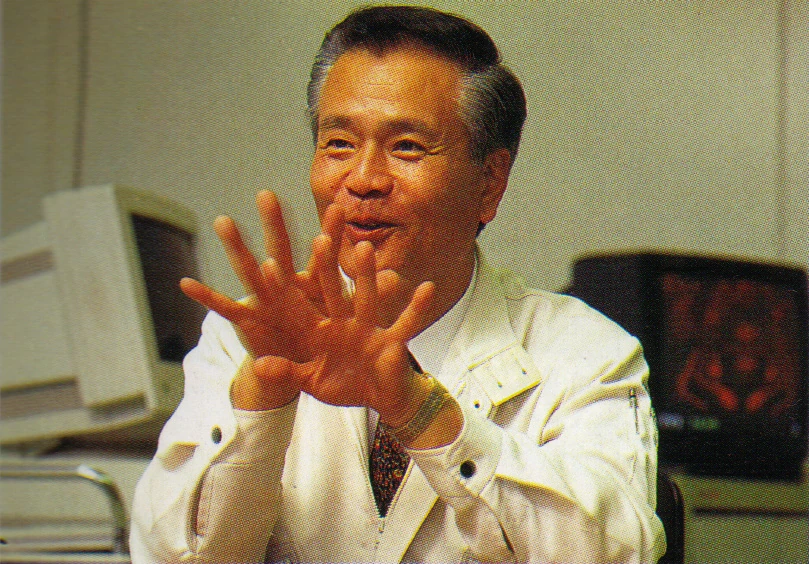
One of the people who played an important role in this transition was engineer Gunpei Yokoi. His work on electronic toys would later help Nintendo take its first steps into electronic entertainment.
From Toys to Video Games
In the 1970s, Nintendo began actively exploring electronic technologies. The company released electronic toys, worked with arcade machines, and gradually entered the world of video games.
In 1980, Nintendo introduced the Game & Watch series of portable devices, created by Gunpei Yokoi. These were small electronic games with LCD screens that could be carried around.
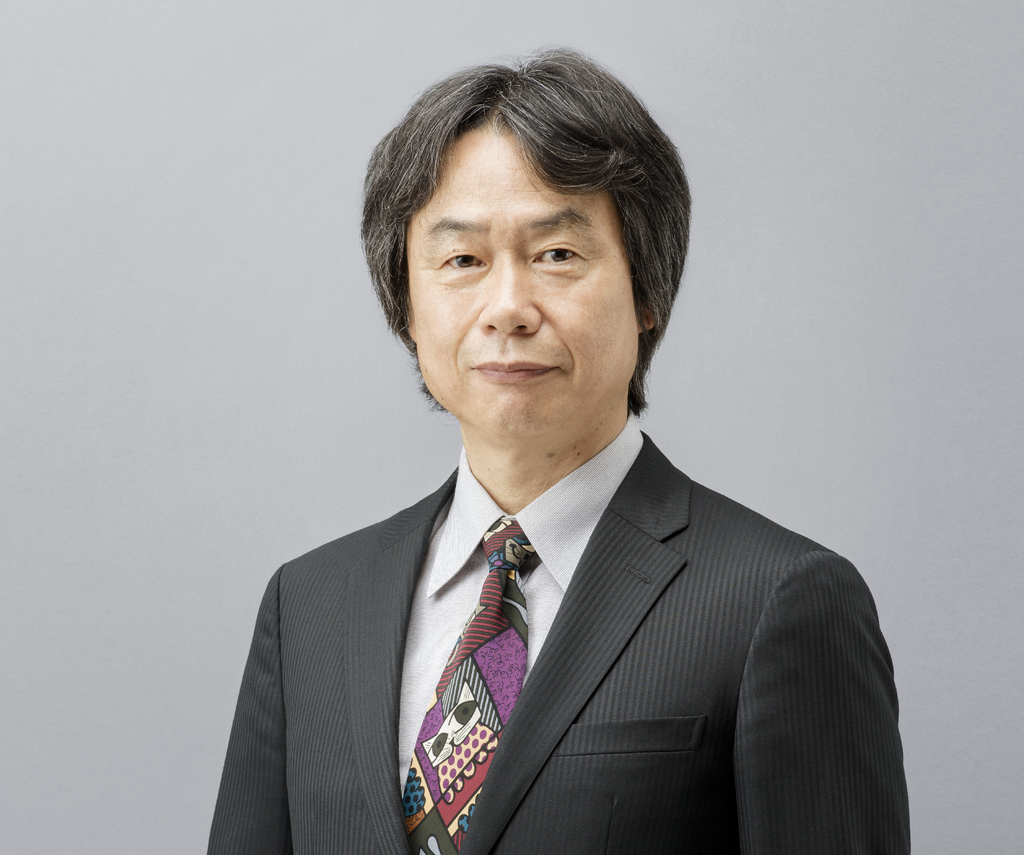
Then, in 1981, Nintendo released the arcade game Donkey Kong, created by young designer Shigeru Miyamoto. This was where a character initially known as Jumpman made his debut and later became known as Mario.
The Birth of Legendary Nintendo
The next major step was the Famicom, which was released in Japan in 1983. The console later arrived in Western markets under the name Nintendo Entertainment System — NES.
The NES became the platform for games that shaped the modern perception of Nintendo: Super Mario Bros., The Legend of Zelda, Metroid, and many others.
The company was no longer simply a playing card manufacturer. It had become one of the key players in the video game industry.
From Hanafuda to Switch
Nintendo's later history includes the Game Boy, Super Nintendo, Nintendo 64, GameCube, Wii, Nintendo DS, 3DS, and Switch.
The company created dozens of franchises that have survived generations of players: Mario, Zelda, Pokémon, Metroid, Kirby, Donkey Kong, Animal Crossing, and others.
And all of this traces its origins back to Fusajiro Yamauchi's small business in Kyoto. On September 23, 1889, he began producing playing cards. More than 130 years later, Nintendo became a company whose consoles and games are known around the world.
Nintendo's history is a good example of how dramatically a company can change over the course of a century: from a craftsman who manually produced Hanafuda cards to one of the world's most recognizable developers of video game consoles and games.
As a reminder, Resident Evil 3: Nemesis — how Capcom turned the escape from Raccoon City into a fight against Nemesis.


