The release of Blizzard Entertainment's StarCraft II: Wings of Liberty on July 27, 2010, marked a major milestone in gaming history and solidified real-time strategy as the premier esports discipline of the early 2010s. The title instantly became a cultural phenomenon, selling over 1.5 million copies in its first 48 hours alone—making it the fastest-selling strategy game in history at the time.
At the core of the game's balance is the unique asymmetry of three spacefaring races, each featuring fundamentally different gameplay, economics, and tactics:
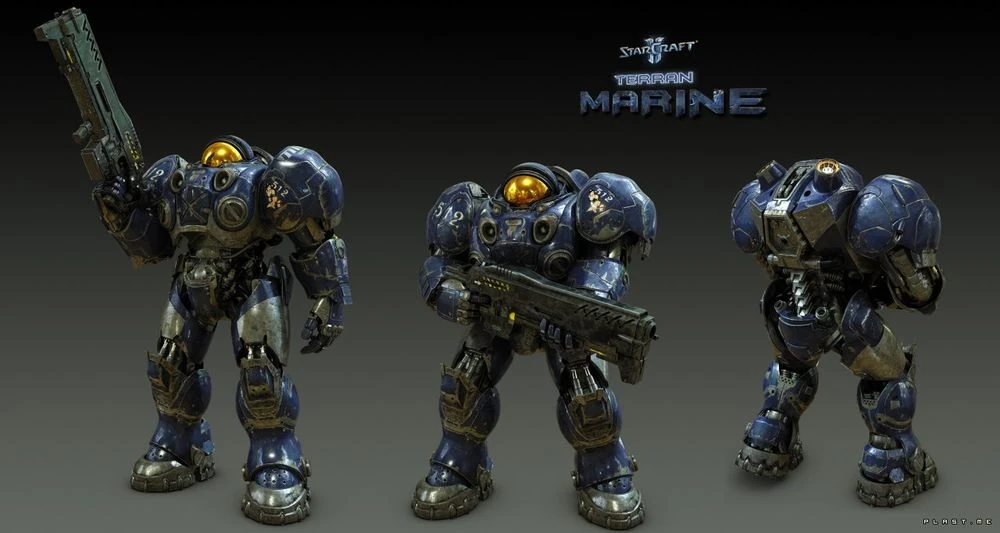
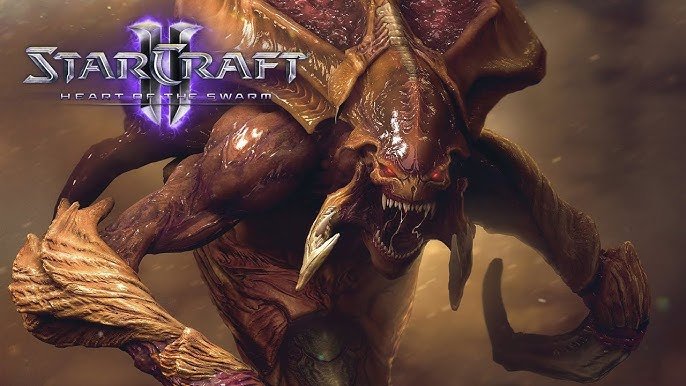
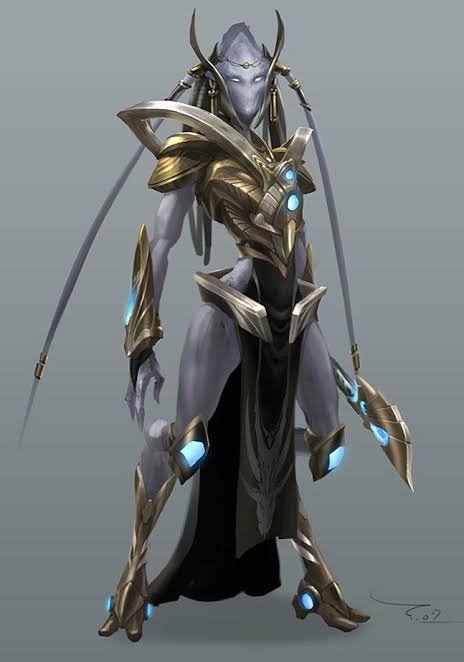
The Wings of Liberty campaign is centered on the Terrans, focusing on the story of Jim Raynor—a former marshal turned rebel leader fighting against the tyranny of Dominion Emperor Arcturus Mengsk.
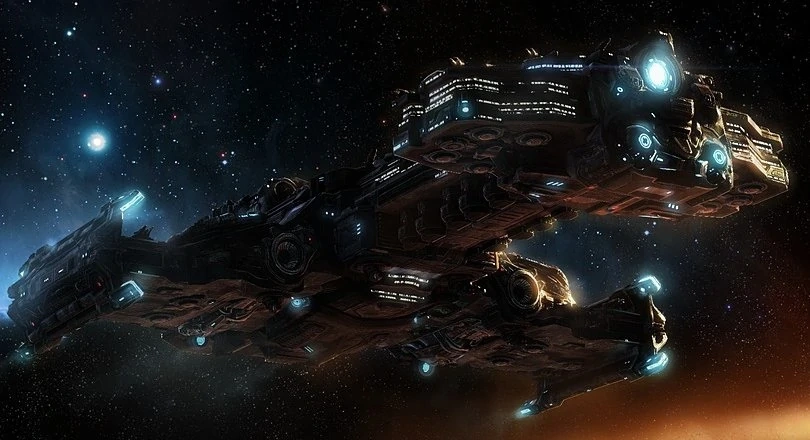
Instead of a static menu, the developers introduced an innovative between-mission hub aboard the battlecruiser Hyperion. Players could purchase permanent unit upgrades in the Armory, research Protoss and Zerg technologies in the Laboratory to unlock new assets (such as flame turrets or heavy tanks), and relax in the Cantina featuring a jukebox, the Lost Viking arcade machine, and interactions with the crew.
Development spanned over 7 years, with analysts estimating the total budget, including marketing, at over $100 million. The game featured over 60 minutes of high-quality cinematic cutscenes, while the soundtrack was recorded with the San Francisco Film Orchestra and Choir, blending in jazz and country elements to shape a distinct "space western" atmosphere.
The title enjoyed immense popularity in South Korea, where matches were broadcast on national television and pro gamers achieved legitimate pop-star status. Developers also hid numerous easter eggs throughout the game, including a frozen Diablo in ice, a secret room with a dancing Tauren Marine, and references to Alien and Firefly. In 2017, Blizzard transitioned the Wings of Liberty campaign and ranked multiplayer to a Free-to-Play model.
StarCraft II laid the groundwork for the modern streaming and tournament ecosystem, providing a major boost to the growth of Twitch (then Justin.tv). The World Championship Series tournament circuit drew millions of viewers and packed stadiums in Seoul, Cologne, and Anaheim. The game set the gold standard for esports balance, where victory was determined purely by reaction speed, strategic thinking, and tactical flexibility.
As a reminder: FC Pro 26 World Championship Recap: RvPLegend Claims Championship Title in Paris.


