On August 7, 2009, Paradox Interactive released Hearts of Iron III — one of the most ambitious and large-scale grand strategy games in video game history. It allowed players to take charge of nearly any nation on the eve of and during World War II, exercising total control over its politics, economy, industry, diplomacy, and armed forces.
In the early 2000s, Paradox Interactive had already established itself as a studio capable of creating exceptionally complex historical strategy games. The first two installments of Hearts of Iron found their audience, but suffered from technical limitations tied to the computing power of that era.
Following the success of Europa Universalis III, the developers realized that new technologies allowed for a much larger-scale simulation of World War II. The goal was not merely to release a sequel, but to create a game that would bring the player as close as possible to the true role of a head of state.
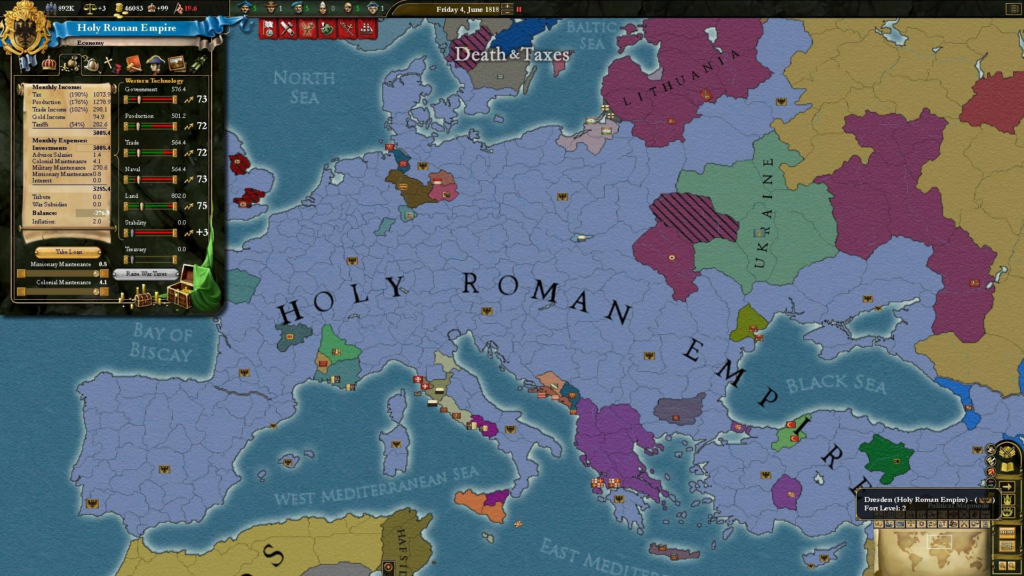
The team completely revamped the Clausewitz Engine, increased map detail to over 10,000 provinces, created a new military command system, and significantly expanded the mechanics of economy, diplomacy, and logistics. At the time, it was one of the most ambitious projects in the studio's history.
Prior to 2009, most wargames focused primarily on combat. Hearts of Iron III changed the core philosophy of the genre, proving that war begins long before the first shot is fired.
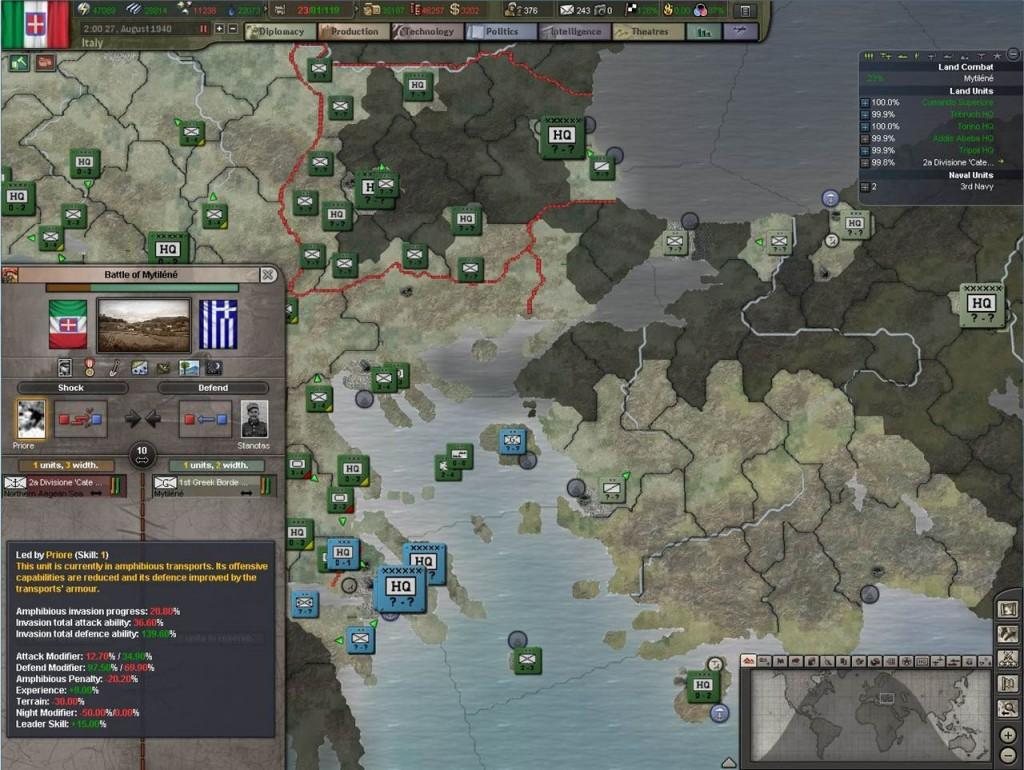
The player was responsible for virtually everything: constructing factories, producing hardware, researching new technologies, developing infrastructure, forging diplomatic agreements, managing intelligence agencies, raising armies, and even supplying troops with fuel and ammunition.
The logistics system was particularly revolutionary. If supply lines were overloaded or passed through poor infrastructure, even the best troops quickly lost combat readiness. Such attention to military supply was almost unheard of in other games at the time.
Equally important was the multi-tiered order of battle. Divisions were grouped into corps, corps into armies, armies into army groups, and army groups into theaters of war. Each commander possessed unique skills and traits, forcing players to think through not just the battles themselves, but the organization of the entire military structure.
Another major leap forward was the freedom to shape alternate history. Hearts of Iron III did not force players to replay real-world events. Any nation could pursue an alternative political alignment, forge new alliances, or completely alter the course of world history.
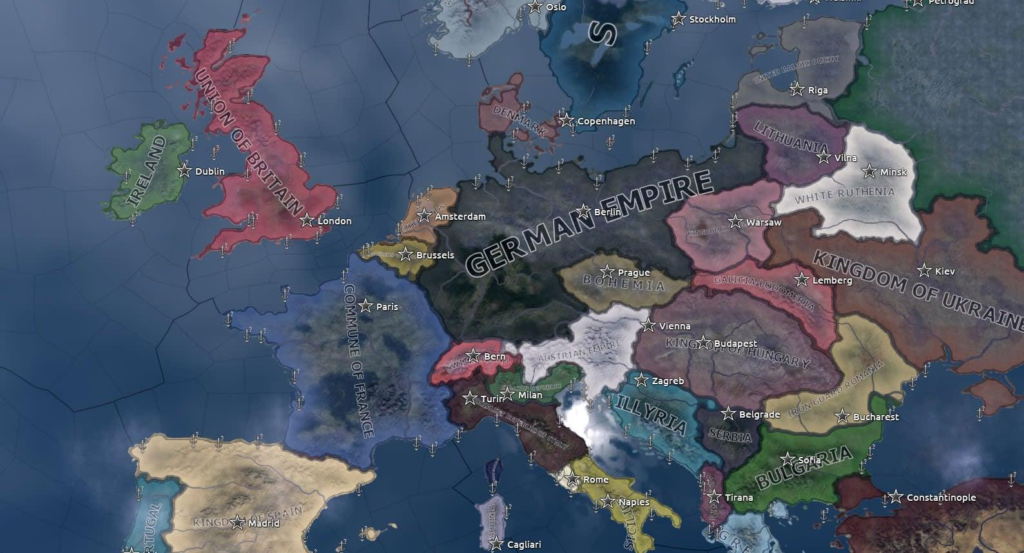
It was precisely this level of freedom and detail that made Hearts of Iron III a benchmark for many future grand strategy titles.
Despite a rough launch marred by bugs, a daunting interface, and performance issues, Paradox actively supported the project for several years. Major updates and expansions — Semper Fi, For the Motherland, and Their Finest Hour — significantly improved game balance, artificial intelligence, and overall gameplay.
That is why many fans evaluate Hearts of Iron III not by its release state, but by its final, fully updated form.
For many, it remains the deepest game in the franchise. It didn't try to streamline mechanics or cater to casual audiences; on the contrary, it demanded that players analyze a vast array of variables simultaneously.
This complexity became the primary reason for the game's cult status. Every successful campaign felt like the reward for genuine strategic planning rather than random luck.
The modding community also played a vital role. For years, enthusiasts created large-scale mods that rebalanced gameplay, added new scenarios, and extended the game's lifespan even further.
The impact of Hearts of Iron III on the genre is hard to overestimate. It solidified Paradox's reputation as a studio capable of creating extraordinarily deep historical simulators.
Many of its design choices became the foundation for the further development of Hearts of Iron IV, though some mechanics were streamlined to make the game more accessible to a broader audience.
Its concepts also influenced other studio titles — ranging from AI development to more intricate economic, diplomatic, and state management systems.
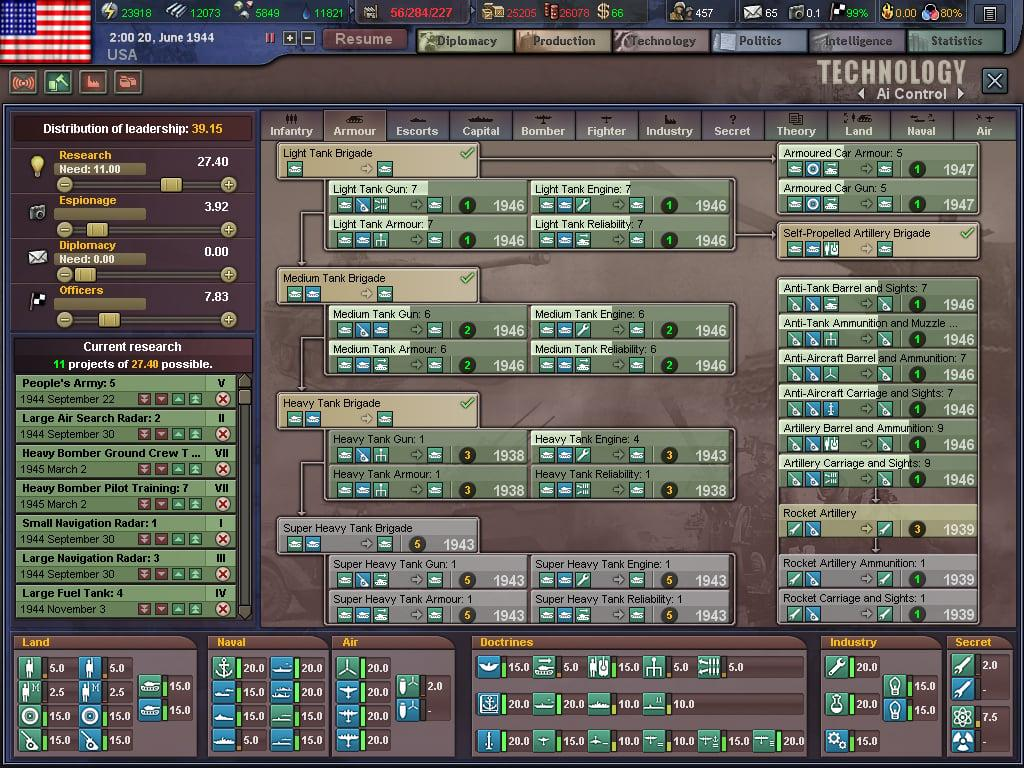
Even today, Hearts of Iron III is frequently cited as the most realistic simulation of statecraft during World War II. For many fans, it became a defining benchmark of the grand strategy genre, where every decision carries consequences, and victory is forged not only on the battlefield, but in government cabinets, factories, research laboratories, and through diplomatic negotiations.
Over a decade and a half after its release, Hearts of Iron III remains an important milestone in gaming history. It did not merely refine the grand strategy genre; it demonstrated just how expansive, deep, and realistic a historical strategy game could be. That is why it is still remembered today as one of Paradox Interactive's most defining works, and its legacy lives on in the studio's modern titles, continuing to inspire developers worldwide.
As a reminder, 40 Years of Metroid: The game that pioneered the Metroidvania genre and changed video game history forever.


