On November 29, 1972, Atari introduced Pong — one of the most important games in the history of the industry. The screen featured only two vertical paddles, a ball, and a simple net, yet this concept helped Atari become the first successful company in the video game business and turned arcade machines into a mass phenomenon.
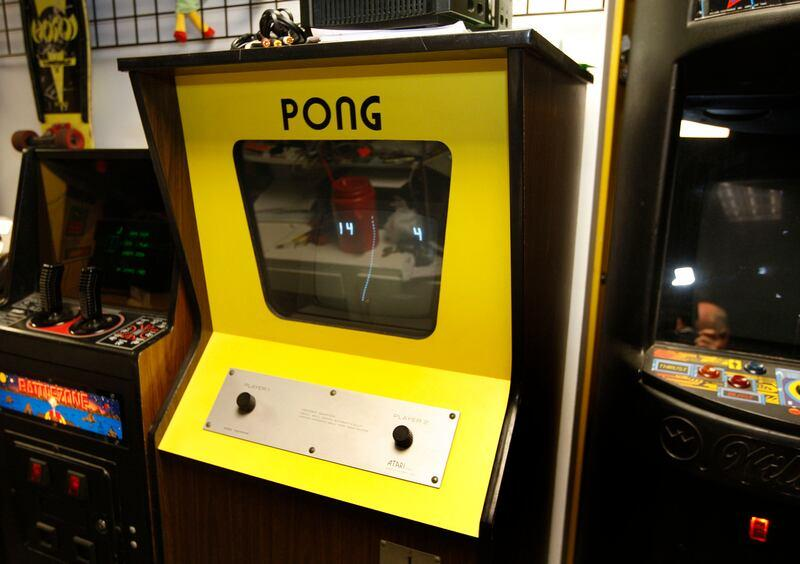
In the early 1970s, video games were not yet a major standalone industry. There were experimental projects such as Spacewar!, while in 1972 Magnavox released the Odyssey — the first commercial home video game console. However, for most people, video games remained an unfamiliar technology that was difficult to encounter outside specialized venues.
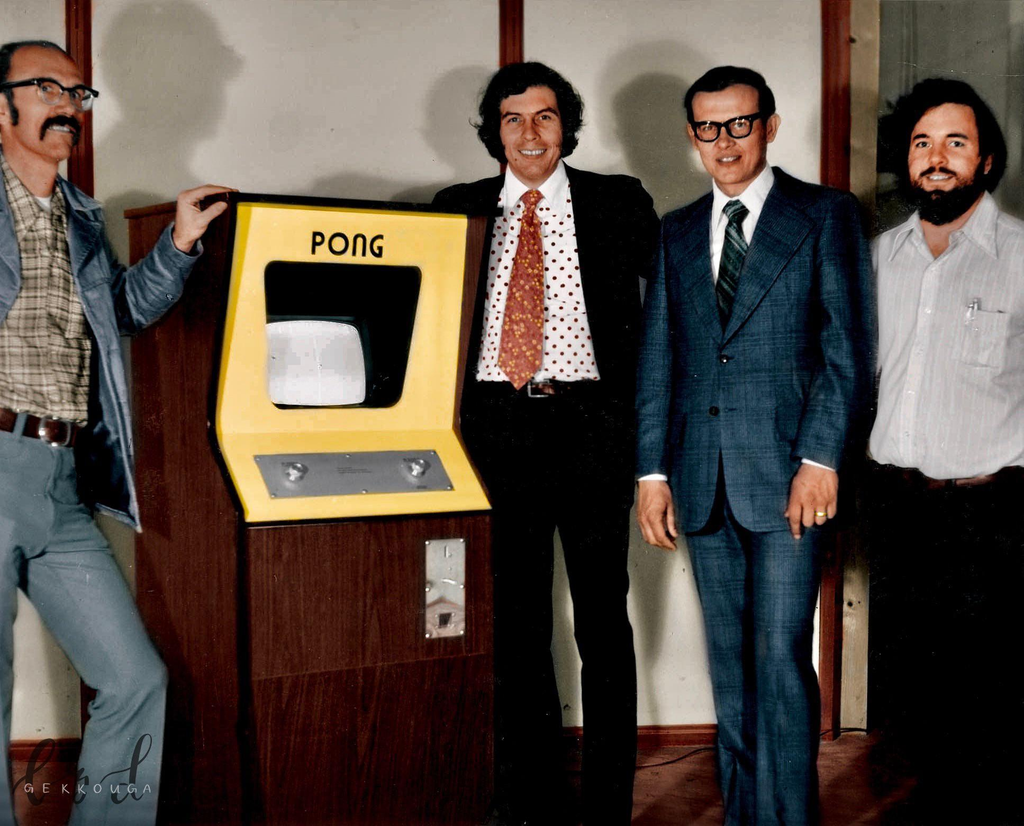
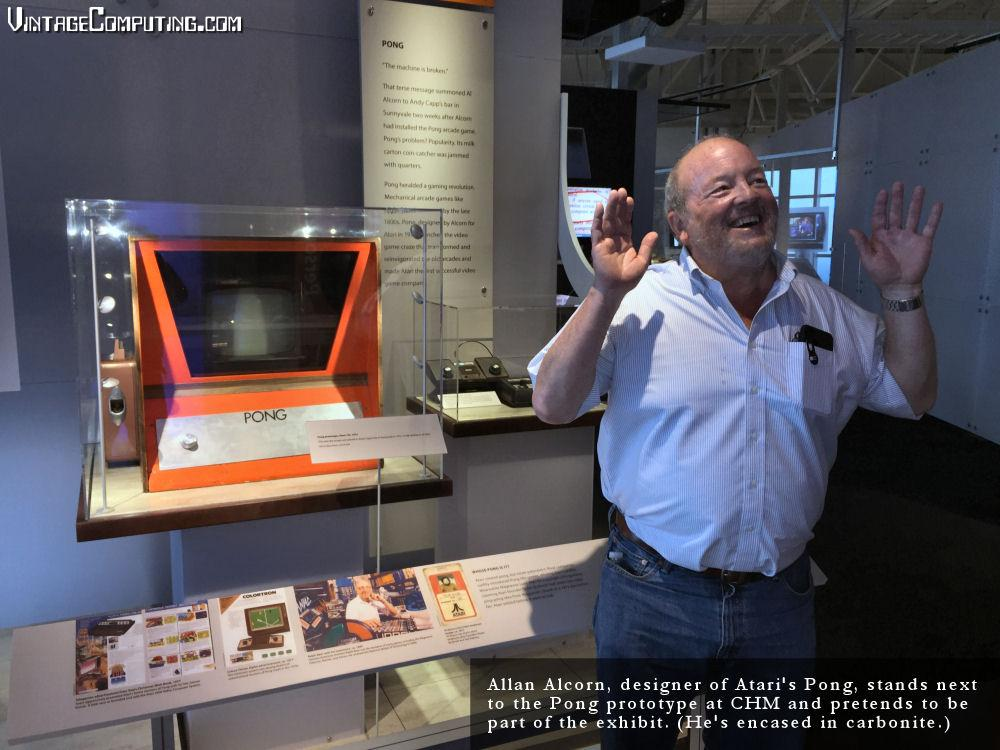
It was during this period that Nolan Bushnell and Ted Dabney founded Atari. Bushnell already had experience with arcade machines and understood that a successful video game needed to be as simple as possible for players. One of Atari's first engineers was Allan “Al” Alcorn, whom Bushnell tasked with creating a game based on table tennis.
Interestingly, Pong was not initially intended to be released as a commercial product. Bushnell essentially used the project as a training exercise for Alcorn. The idea was inspired by a demonstration of a tennis game on the Magnavox Odyssey, but Alcorn significantly expanded on the original concept.
Alcorn's assignment seemed simple: the screen needed two paddles, a ball, and the ability to hit it from one side to the other. But the engineer did not stop at the basic idea.
He added a system in which the ball's direction depended on which part of the paddle it hit. Its speed also gradually increased after a series of successful returns. This kept Pong easy for newcomers to understand while still requiring quick reactions and skill.
Another important feature was its technical simplicity. Pong did not use a microprocessor — its operation was handled by a system of individual logic chips. Alcorn tried to reduce the number of components so that the future arcade machine could be manufactured at an acceptable cost. Even the sound was created without a complex audio system — the engineer used the capabilities of the game's own electronics.
As a result, Atari ended up with a game that proved to be far more engaging than its creators had expected.
The next step was a public test. Atari installed a Pong prototype at Andy Capp's Tavern in Sunnyvale, California. The machine was placed next to pinball machines and Computer Space — another early video game associated with Bushnell.
The developers simply wanted to see whether Pong would interest ordinary visitors. They received an answer very quickly.
Shortly afterward, Alcorn received a report that the machine had stopped working. When he arrived to inspect it, he discovered that the problem was not with the electronics. The coin container had simply overflowed. People had played so much that the machine could no longer accept additional coins.
For Atari, this became a turning point. Bushnell realized that he was looking at more than a training prototype — it could potentially become a successful commercial product.
At first, the company tried to interest major arcade manufacturers. However, they were reluctant to invest in the new technology. At the time, the market was accustomed to complex mechanical games and pinball, while Pong seemed too simple.
Atari then decided to do something it had not originally planned: manufacture the arcade machines itself.
The decision proved to be the right one. Atari began installing Pong machines in bars, restaurants, and other places where people could pay for short gaming sessions.
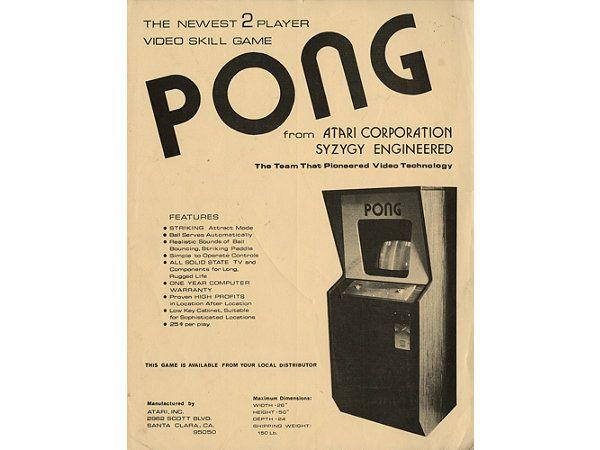
During its first year, the company sold around 8,000 machines, while the total production of the original arcade version eventually reached approximately 35,000 units.
For a young company, this was a huge success. Pong was understandable to practically anyone: players did not need to read lengthy instructions or learn complicated mechanics. All they had to do was take control and try to hit the ball.
This accessibility became one of the main reasons for the game's popularity. Someone could see Pong for the first time and understand what to do within seconds.
Atari's success also showed other companies that there was money to be made from video games. The market quickly began filling with games that copied the Pong formula.
Pong's popularity brought Atari not only money, but also legal problems.
Magnavox noticed the similarities between Pong and the tennis game included with the Magnavox Odyssey. The company claimed that its rights had been infringed, and Atari eventually reached an out-of-court settlement with Magnavox.
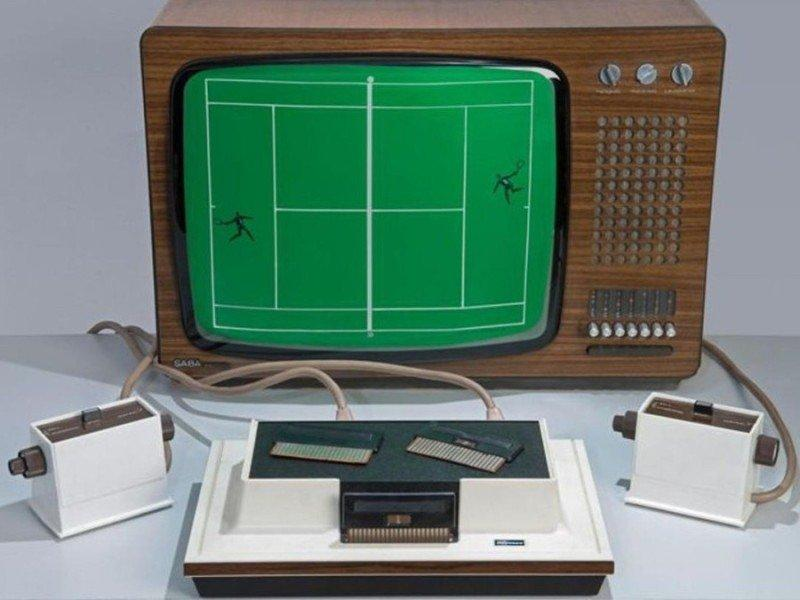
Pong was not the first electronic tennis game, nor was it the first similar commercial game. Atari's significance lay elsewhere: Pong became the first game to attract such widespread public attention and demonstrate the enormous commercial potential of video games. The Strong describes it as a game that, by most measures, launched the video game industry.
It is also notable that Atari did not patent Pong itself. As a result, competitors were able to create their own variations of the concept, and throughout the 1970s the market became filled with numerous Pong-like arcade machines.
The next major step was an attempt to bring Pong from bars and arcades into ordinary homes.
In 1975, Atari released Home Pong — a version of the game that could be connected to a television. Developers managed to implement the game on a single specialized chip, making the home system significantly more compact and affordable.
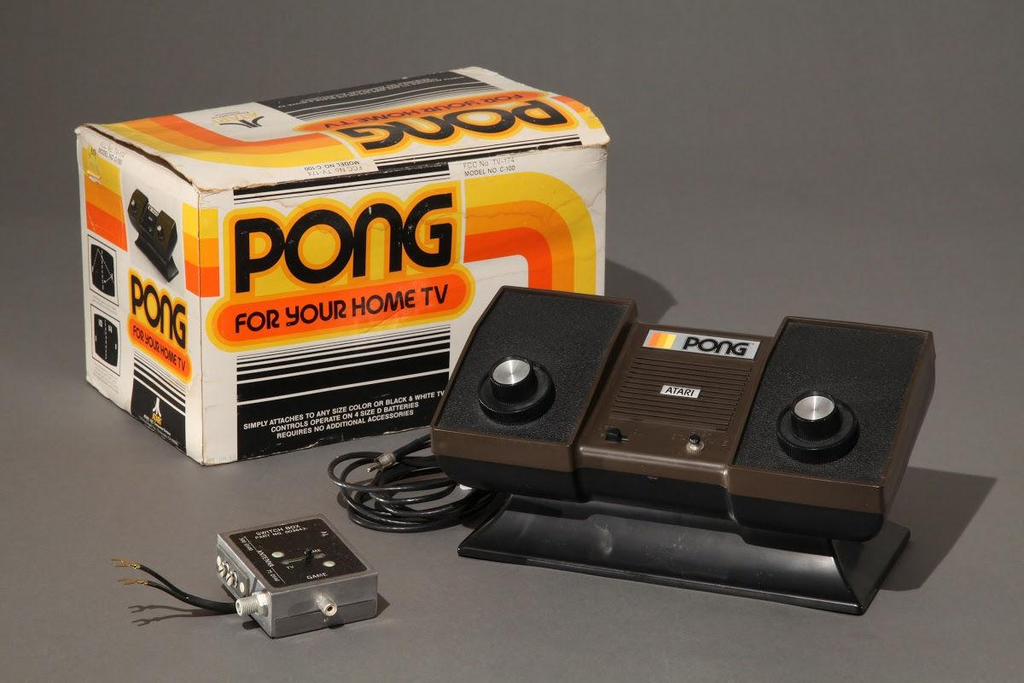
Home Pong received wide distribution through Sears under the Tele-Games brand. This became another important step for Atari: the company moved from selling expensive arcade machines to consumer electronics.
In the long term, this direction helped Atari move toward the creation of home consoles, culminating in the Atari VCS, later known as the Atari 2600.
Pong was not a technologically complex game. It had no large world, characters, story, or dozens of mechanics. Its importance to the industry was determined not by the scale of the game itself, but by what it proved.
Pong showed that people were willing to pay for the opportunity to play a video game. It transformed a technological experiment into an accessible mass-market product and helped establish the arcade video game market.
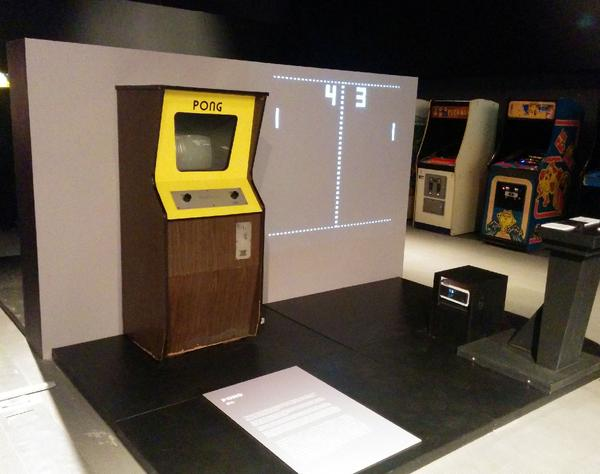
Pong's success made Atari one of the most important names in the early gaming industry. It was followed by new companies, new arcade machines, and new attempts to bring video games into people's homes.
In 2015, Pong was inducted into the World Video Game Hall of Fame. The Strong notes that the game introduced millions of people to video games and became one of the key moments in the development of the industry.
Today, Pong may seem almost primitive. But its simplicity became its strength: the rules can be understood within seconds, while the outcome depends on the actions of two players. Decades after its release, this formula remains understandable even to people who have never played a classic arcade game.
On November 29, 1972, Pong became one of the first major proofs that video games could become a form of mass entertainment and an industry of their own. Its screen was simple, but the consequences of the game's arrival were much greater: after Pong's success, the video game business began developing at an entirely different pace.
As a reminder, Dark Chronicle — the history of the RPG that combined time travel and world building.


