On July 29, 2004, the Evolution Championship Series 2004 (hereinafter referred to as EVO 2004) kicked off in California—a tournament that changed the world of fighting games forever. For most viewers, it was just another major competitive event featuring Street Fighter, Guilty Gear, Capcom vs. SNK 2, and other disciplines. However, EVO 2004 went down in history as a turning point for the entire Fighting Game Community (FGC) that helped bring the genre back into the spotlight of the gaming industry.
In the early 2000s, fighting games were experiencing a crisis. The decline of arcade cabinets outside Japan led to a sharp decrease in local tournaments, while major publishers invested in new large-scale projects less and less frequently.
After the release of Street Fighter III: 3rd Strike in 1999, the series essentially ground to a halt, with Capcom focusing on other directions.
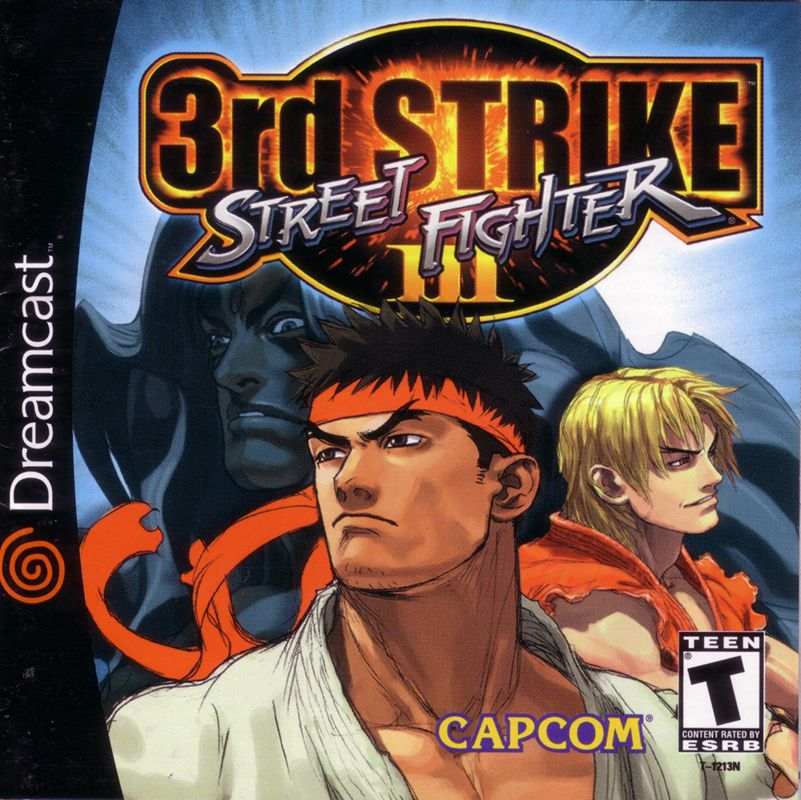
Despite this, a small but fiercely dedicated community continued to host tournaments, keeping the genre alive. The largest among them became EVO—a championship that grew out of the Battle by the Bay tournament and had already become the main event of the year for fighting game fans by the early 2000s.
At the time of EVO 2004, Street Fighter III: 3rd Strike was not a commercial hit. Due to the popularity of home consoles like the PlayStation and the decline of arcades, many players did not even have the opportunity to experience it. However, among professionals, the game quickly earned cult status thanks to its deep mechanics.
The most important feature was the Parry system—a mechanic that allowed a player to completely neutralize an opponent's attack provided perfect timing was achieved. It opened up immense room for skill and created situations where even a player on the brink of defeat could turn the tide of a match.
It was this exact system that gave the world a moment that changed esports history forever.
During the tournament's semifinals, Daigo Umehara and Justin Wong—two of the world's strongest players—met on stage.
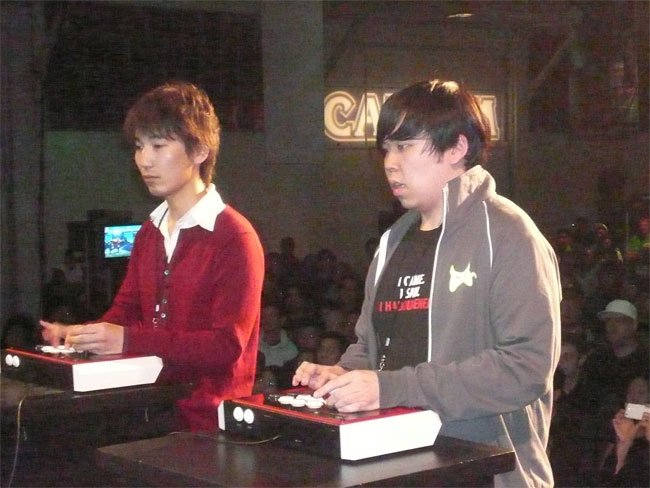
In the decisive round, Daigo was left with literally a single pixel of health, while Justin activated Chun-Li's Super Art—a combination that virtually guaranteed victory. Instead of blocking the attack and losing due to chip damage, Daigo accomplished the near-impossible: he perfectly parried all 15 hits, then immediately transitioned into a counterattack to snatch victory.
The crowd erupted in excitement, as commentators and spectators witnessed a moment that would later be named Evo Moment #37.
In 2004, YouTube, Twitch, and modern streaming platforms did not yet exist. However, the video recording of the match quickly spread across forums, fan sites, and file-sharing networks.
As of today, various uploads of this moment on YouTube alone have collectively gathered over 10 million views, and the clip continues to be watched by new generations of players.
For many people, this video served as their first introduction to professional fighting games. It proved that esports could be thrilling even for those who had never played Street Fighter.
It was after EVO 2004 that the Fighting Game Community began to grow rapidly. New local tournaments and international gatherings emerged, and EVO itself permanently solidified its status as the most prestigious championship in the world of fighting games.
Many representatives of the FGC believe that the popularity of Evo Moment #37 was one of the factors that convinced Capcom that interest in the genre had not disappeared.
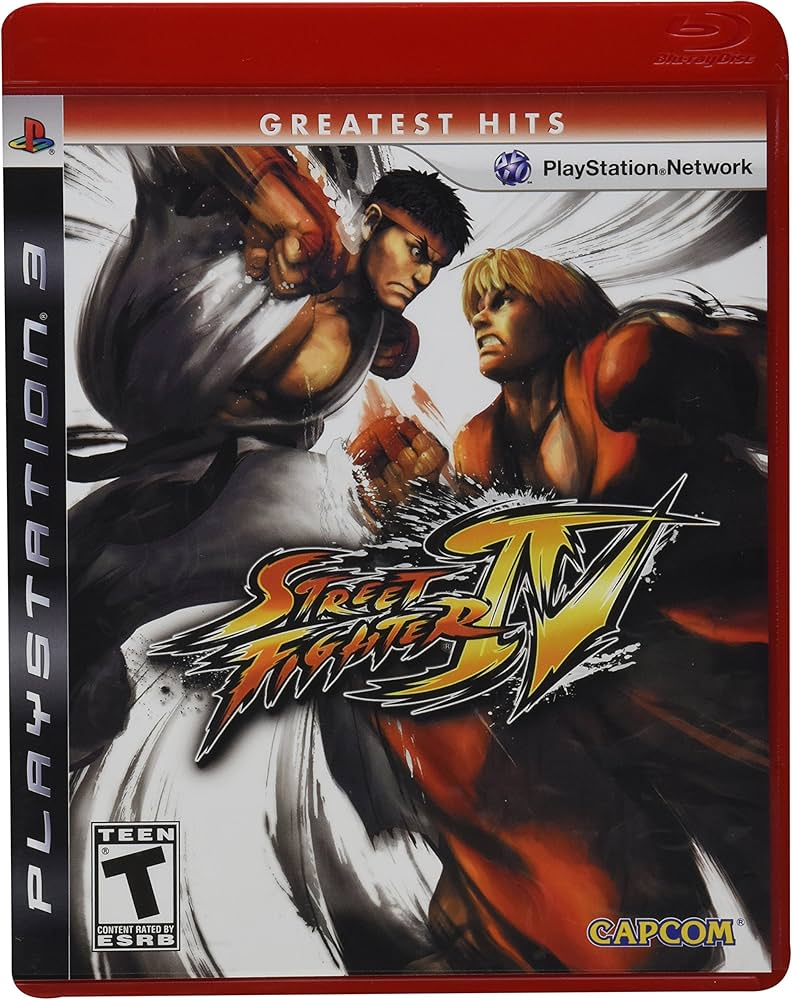
Four years later, the company released Street Fighter IV, which marked a triumphant return for the series and effectively revived the fighting game genre worldwide. The game brought millions of new players, while EVO began setting records for participant and viewer numbers.
The legacy of EVO 2004 can still be felt today. Modern mechanics like the Drive Parry in Street Fighter 6 largely build upon the ideas established in Street Fighter III, while Daigo Umehara and Justin Wong have long since become esports legends.
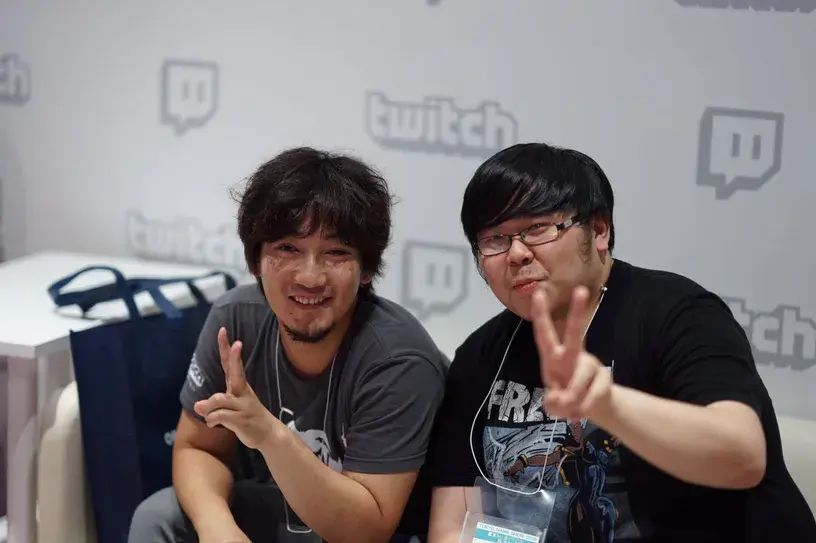
Symbolically, more than two decades after their legendary match, their contributions received official recognition. At the EVO Awards 2024 ceremony, Daigo Umehara and Justin Wong became the first-ever recipients of the Impact Award—an honor recognizing the individuals who have had the greatest influence on the growth of the Fighting Game Community. This served as a confirmation that EVO Moment #37 had long transcended a single match to become one of the most significant moments in esports history.
Today, the Evolution Championship Series is considered the premier global event in fighting games, and winning EVO is equivalent to earning the most prestigious title in the discipline.
Yet the tournament's greatest legacy lies neither in records nor prize pools. EVO 2004 showed that even a niche genre can unite millions of people around the world when driven by true passion, skill, and moments that make you want to rewatch them over and over again.
That is why EVO 2004 remains not just a legendary tournament, but an iconic starting point that transformed the Fighting Game Community from a small group of enthusiasts into one of the most influential esports cultures in the world.
As a reminder: Marvel Tōkon: Fighting Souls Open Beta Has Concluded: What the Developers Showed and What Content Awaits Players.


